
 By Rbia Eman
If you’ve ever stared at a nutrition label and wondered whether you’re eating enough protein, you’re not alone. Your ideal daily protein intake isn’t one fixed number. It shifts with your body weight, age, activity level, health, and goals.
This guide breaks it all down in plain language. You’ll learn how much protein you need, how that changes depending on your goals, and how to hit your target without turning every meal into a math problem.
Why Your Daily Protein Intake Matters
A key part of your body is made of protein. Each day it uses protein in daily life. It is used in bodily regeneration, in developing and sustaining muscle allergic response, improving bone and gut health, as well as to construct muscles. It also assists in the creation of hormones and enzymes that keep everything in operation.
Different from many nutrients, your body is not able to store protein for future use. That is why a regular diet of it is so critical. A low protein diet for too long might cause a slow resolution of injuries, loss of muscle tissue and lingering hunger.
What Is the Recommended Daily Protein Intake for Adults?
The Standard Guideline (0.8 g per kg)
The daily recommended dietary allowance (RDA) for the majority of healthy adults is 0.8 grams of protein per kilogram of body weight. Which is around 0.36 grams per pound. As a simple illustration, if you are 154 pounds, which is approximately equal to 70 kg, you simply multiply 70 by 0.8 and you might say it is 55.9 grams of protein per day.
That’s because the RDA is the minimum amount of protein to prevent a deficiency and keep essential metabolic processes working properly. It may not be optimal for everyone in every situation.
Factors That Modify Your Protein Requirements
Anything can make your needs go beyond the baseline guideline:
- Exercise intensity: People who move more consume more protein to rebuild the extra workouts they are making.
- Older: We lose that gym blood with age.
- Body composition goals: You need more through loss of body fat or building muscle.
- Life stage: Humans need more when they are pregnant or nursing.
- Health status: Certain health conditions, especially kidney problems, can result in a different amount of protein needed.
Grams of Protein vs. Grams of Food: Clearing Up the Confusion
This is where many people get tripped up. When a nutrition plan says “100 grams of protein,” it doesn’t mean 100 grams of chicken, eggs, or tofu. It means the protein content of the foods you eat should add up to 100 grams.
Most foods weigh far more than the protein they contain, because they also hold water, fat, carbohydrates, and other nutrients. Two quick examples:
- An 8-ounce (about 226 g) portion of beef provides roughly 60 grams of protein.
- A large egg weighs around 46 grams but delivers only about 6 grams of protein.
So if you’re aiming for 100 grams of protein, you might spread it across eggs at breakfast, a chicken or lentil dish at lunch, yogurt as a snack, and fish or tofu at dinner. Checking labels and using a free food tracking app for a few days can help you see where you stand.
How Much Protein Do You Need for Your Goal?
Your goal matters more than any generic number. Here’s how daily protein intake typically changes depending on what you’re working toward.
Daily Protein Intake for Weight Loss
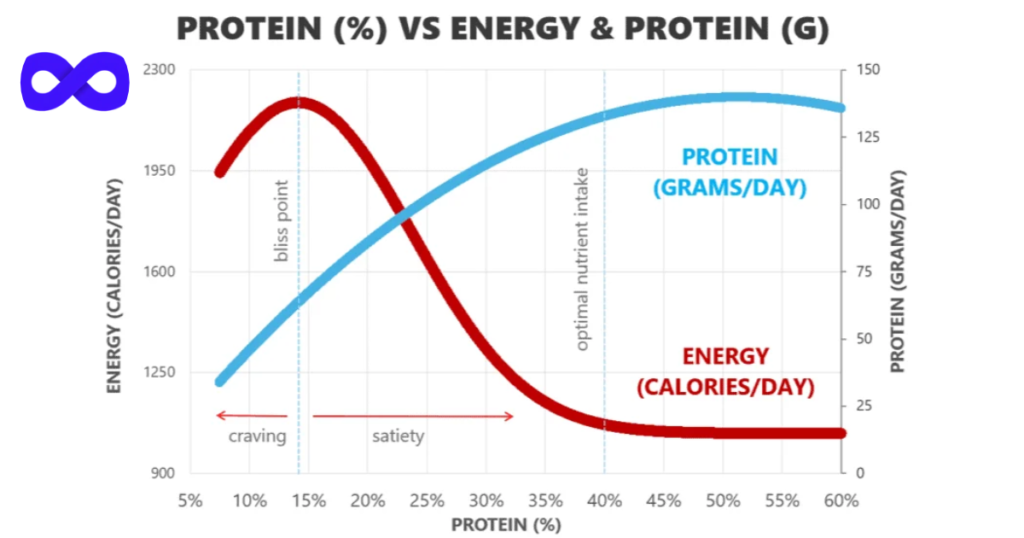
Protein can be a powerful ally when you’re trying to lose weight. You still need to eat fewer calories than you burn, but protein makes that deficit easier to stick with, for a few reasons:
- It keeps you full. Protein-rich meals tend to curb hunger longer than meals heavy in refined carbs.
- It burns more energy to digest. Your body uses more calories processing protein than it does with fats or carbs.
- It protects your muscles. When you lose weight, you want to lose fat, not lean tissue. Enough protein helps preserve muscle, strength, and a healthier body shape.
Research suggests aiming for about 1.2 to 1.6 grams per kilogram of body weight (roughly 0.54 to 0.73 grams per pound) during weight loss. For someone weighing 150 pounds (68 kg), that works out to around 82 to 109 grams per day.
Daily Protein Intake for Building Muscle
When it comes to gaining muscle, protein is just one part of the story. Resistance training tells your muscles to grow and protein provides the amino acids to rebuild them stronger. Typically for regular weight lifters or strength training folks, the usual suggestion is around 1.6 g (0.73 g) per body weight in kilograms. 150 pounds (68kg) would mean you would have to hit 109 grams a day.
Think of this as a base instead of a rule. Training intensity, age, and overall diet are all factors that play part. Though the total for the day is what matters most, you might also want to check to see if there is any benefit to consuming protein throughout the day as well so that the muscles could continually be getting conditions to build and heal.
Protein Needs for Active People and Athletes
You don’t have to be a bodybuilder to need extra protein. Anyone who is regularly on the move may benefit from going above the basic guideline. That includes:
- Endurance athletes, such as runners and cyclists
- People who strength train several times a week
- Anyone with a physically demanding job, like construction or nursing
If you fall into one of these groups, the muscle-building range above is a sensible place to start. Adjust based on how you feel, how well you recover, and what a dietitian or doctor recommends for you.
Protein Requirements for Older Adults
Naturally, aging is associated with a progressive loss of muscle mass, which can lead to loss of balance, strength, and independence. It may just require more protein to keep the loss slow and at bay.
One recent scientific review comes to the conclusion that older adults need to get about 1.0 to 1.2 grams per kilogram of body weight (0.45 to 0.54 grams per lb), in addition to strong body weight exercise; although even resistance band or light body weight work offers significant benefit.
Protein During Pregnancy and Breastfeeding
Pregnancy raises protein needs because your body is building new tissue for both you and your baby. The 2020-2025 Dietary Guidelines for Americans notes that pregnant people need around 71 grams of protein per day. Breastfeeding also calls for more protein than usual.
Good sources include lean meat, dairy, legumes, and fish. When choosing fish, go for options lower in mercury and rich in omega-3 fats, such as salmon, sardines, and anchovies. Skip high-mercury choices like shark, swordfish, tilefish, and king mackerel.
If you’re pregnant or nursing, it’s always worth checking with your healthcare provider about your specific needs.
Easy Ways to Reach Your Daily Protein Target
Knowing your number is the easy part. Actually eating that much protein is where people struggle. The good news is that small, simple changes add up quickly.
Best Protein Rich Foods to Add to Your Plate
You have plenty of options, whether you eat meat or not:
- Animal sources: lean meats, fish and seafood, eggs, milk, Greek yogurt, and cottage cheese
- Plant sources: tofu, tempeh, legumes (beans, lentils, chickpeas), quinoa, nuts, and seeds
Whole foods have an added advantage. Along with protein, they bring fiber, vitamins, minerals, and healthy fats that a powder can’t fully replace. Mixing different sources also keeps meals interesting.
Simple Tips to Spread Protein Across Your Meals
For most healthy adults, you don’t need to weigh every bite. A simple habit works well: include a protein source at every meal. A few easy ideas:
- Start your morning with protein. Try eggs, Greek yogurt with nuts, or tofu scramble instead of just toast or cereal.
- Build lunch around protein. Add beans to a salad, chicken to a wrap, or lentils to soup.
- Choose smarter snacks. Cottage cheese, a handful of almonds, or a boiled egg will keep you going longer than chips.
- Make dinner balanced. Aim for a palm-sized portion of fish, meat, or a plant-based option alongside vegetables and whole grains.
Spreading your intake like this feels more natural than trying to catch up with one huge protein-heavy dinner.
Need Protein Powder?
Not really but it can be useful. Protein powders and supplements may be useful if you have higher requirements, follow a vegetarian or vegan diet, are busy or just to make it easier to eat enough foods in quantity to meet your needs for essential protein. However, think of powder as a supplemental diet, or a backup. Your base should be whole foods, and use shakes to fill in the gaps.
Protein and kidney health
At this time, there is no evidence that protein consumption as part of a balanced diet is harmful for healthy people. There is evidence from some studies of a link between excessive protein intake and changes in kidney function, but it remains unclear whether one caused the other.
Who Should Talk to a Doctor First
First, Talk With a Doctor The charm is much different if you actually have kidney disease. That’s when your protein needs may shift. Those not on dialysis are generally instructed to reduce protein; when they are on dialysis, the opposite may be true. In case you live with a kidney condition or chronic health problem, you should seek the opinion of your physician or a registered dietitian before making major alterations to your usual diet protein.
Final Thoughts on Your Daily Protein Intake
Protein supports your muscles, bones, immune system, and so much more. The basic RDA of 0.8 grams per kilogram is a solid minimum, but many people benefit from more depending on their goals:
- General health: about 0.8 g/kg
- Weight loss: about 1.2 to 1.6 g/kg
- Muscle building: about 1.6 g/kg
- Older adults: about 1.0 to 1.2 g/kg
- Pregnancy: around 71 g per day
You don’t need to obsess over every gram. Start by working out a rough target, add a protein source to each meal, and adjust as you go. Your ideal daily protein intake is the one that fits your body, your lifestyle, and your goals.
Take the Next Step Toward Better Nutrition
Want to make healthier food choices and meet your daily protein needs? Start by adding protein-rich foods to your meals and building a balanced eating routine that fits your lifestyle. Explore more practical nutrition tips and healthy food guides on Scoopiz.com to support your wellness journey.
Frequently Asked Questions
How much protein should I eat per day to lose weight?
A good range is about 1.2 to 1.6 grams per kilogram of body weight. For a 68 kg (150 lb) person, that’s roughly 82 to 109 grams daily. Pair it with a modest calorie deficit and regular movement for the best results.
Is 100 grams of protein a day too much?
For most healthy adults, no. In fact, 100 grams sits right within the recommended range for many people who are losing weight or training with weights. It may be more than a smaller, less active person needs, though, so match it to your body weight and goals. If you have kidney disease, check with your doctor first.
Can I get enough protein without eating meat?
Absolutely. Tofu, tempeh, lentils, beans, chickpeas, quinoa, nuts, seeds, eggs, and dairy can all help you meet your daily protein intake. Eating a variety of these foods throughout the day makes it easy to cover your needs, and a plant-based protein powder can fill in any gaps.
How much protein does a 70 kg person need?
At least 56 grams per day (0.8 g/kg). For weight loss, aim for about 84 to 112 grams. For muscle building, around 112 grams.
Is 2 eggs a day too much protein?
No. Two large eggs give you about 12 grams of protein, which is a small part of your daily needs. Check with your doctor first if you have kidney disease.