
 By Rbia Eman
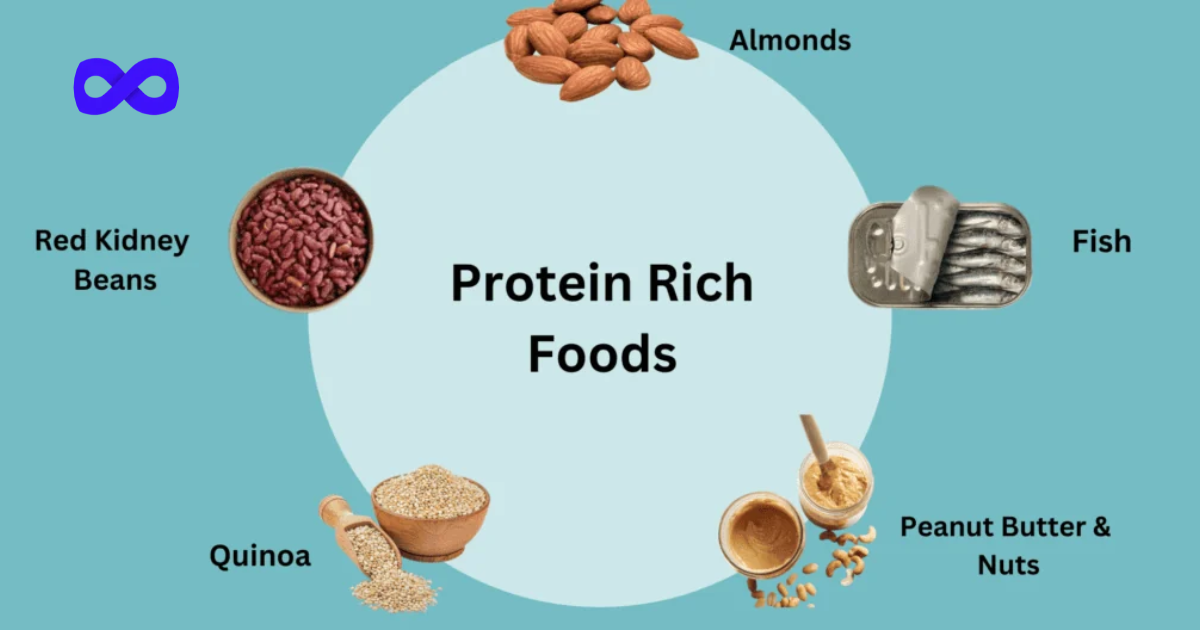
Protein is an essential nutrient that helps your body build and maintain muscles, repair tissues, and support normal body functions. Choosing the best high protein foods can also help you feel satisfied after meals and manage your weight.
You do not need expensive supplements to increase your protein intake. Everyday foods such as lentils, chickpeas, eggs, tofu, and yogurt can provide useful amounts of protein. Here are 10 nutritious options to consider for a balanced diet.
Why Protein Matters for Your Health
Protein supports muscle maintenance, tissue repair, and the production of enzymes and other important substances in your body. Getting enough protein is especially important when you exercise regularly or want to maintain muscle while losing weight.
Protein rich foods may also help you feel full for longer, making it easier to manage hunger between meals. However, eating more protein alone does not guarantee weight loss. Your overall calorie intake, activity level, and eating habits also matter.
Top 10 Best High Protein Foods and Vegetables
The following foods offer protein along with other valuable nutrients. Protein amounts are approximate and can vary by serving size, preparation method, and product.
1. Lentils
Lentils are an affordable plant based protein source that also provides fiber, iron, and folate. One cup of cooked lentils contains approximately 18 grams of protein.
Add them to soups, salads, curries, or vegetable dishes for a filling meal.
2. Chickpeas
Cooked chickpeas provide around 15 grams of protein per cup, along with fiber and minerals. They are easy to include in many meals.
Use chickpeas in salads, homemade hummus, or roasted snacks. Their combination of protein and fiber can help make meals more satisfying.
3. Edamame
Edamame, or young soybeans, provides approximately 18–19 grams of protein per cooked cup. It also supplies fiber and other essential nutrients.
Enjoy steamed edamame as a snack or add it to rice bowls and salads. It is a convenient option for people following plant-based diets.
4. Green Peas
Green peas provide approximately 8–9 grams of protein per cooked cup. They also contain fiber, vitamin C, and other nutrients.
Add peas to soups, pasta, rice, or mixed vegetables. Although peas contain less protein than lentils or soybeans, they can still contribute to your daily protein intake.
5. Spinach
Spinach contains a modest amount of protein, providing roughly 5 grams per cooked cup. It also offers folate, vitamin K, and other nutrients.
Add spinach to omelets, soups, curries, or smoothies. Because its protein content is relatively low, combine it with beans, eggs, tofu, or yogurt for a more protein-rich meal.
6. Broccoli
Broccoli provides around 3–4 grams of protein per cooked cup, along with fiber, vitamin C, and other beneficial nutrients.
Steam or roast broccoli as a side dish, or add it to stir-fries. Pairing it with lentils, chicken, tofu, or beans can increase the total protein in your meal.
7. Black Beans
Black beans provide approximately 15 grams of protein per cooked cup. They also contain fiber, which supports digestive health and can help you feel satisfied.
Include them in burrito bowls, soups, salads, or homemade bean burgers. Choose plain cooked beans or rinse canned beans to reduce excess sodium.
8. Tofu
Tofu is made from soybeans and provides approximately 10–20 grams of protein per 100 grams, depending on the type and brand.
It absorbs flavors well and works in stir-fries, curries, salads, and sandwiches. Tofu is particularly useful for people who want a versatile, plant-based alternative to meat.
9. Greek Yogurt
Plain Greek yogurt typically provides around 15–20 grams of protein per 200-gram serving, although the amount varies by brand.
Choose an unsweetened variety to limit added sugar. Enjoy it with fruit, oats, or nuts for breakfast or a convenient snack.
10. Eggs
Eggs provide approximately 6–7 grams of protein each and contain several essential nutrients.
Boiled eggs, omelets, and scrambled eggs are easy ways to add protein to breakfast or lunch. Pair them with whole-grain bread and vegetables for a balanced meal.
How Protein Rich Foods Can Support Weight Loss
Protein can be helpful during weight management because it supports fullness and helps preserve muscle when combined with appropriate exercise and nutrition.
For practical results, focus on these habits:
- Include a protein source in your main meals.
- Choose beans, lentils, eggs, tofu, or plain yogurt regularly.
- Combine protein with vegetables, fruit, and whole grains.
- Watch portion sizes and limit excess calories from sugary drinks and highly processed snacks.
- Stay physically active and maintain a routine you can follow consistently.
You do not need to eliminate carbohydrates or fats to lose weight. A balanced eating pattern is generally more sustainable than a restrictive diet.
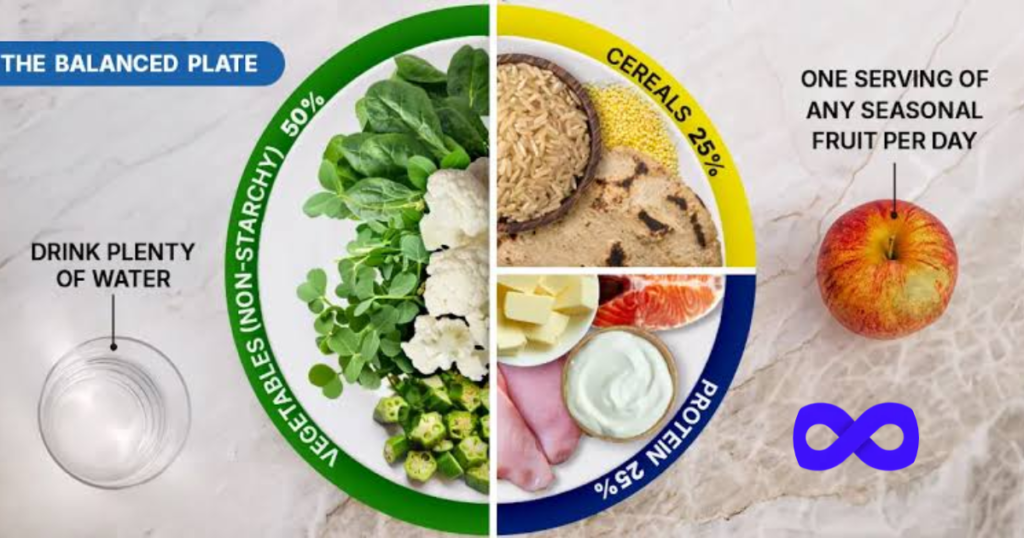
Plant Based vs. Animal Based Protein: Which Is Better?
Both plant based and animal based foods can contribute to a healthy diet. Eggs and Greek yogurt provide protein, while lentils, chickpeas, beans, and tofu offer plant-based alternatives.
Plant foods often provide fiber and other beneficial nutrients. Including a variety of them throughout the day can help you meet your nutritional needs. If you follow a fully vegan diet, pay attention to nutrients such as vitamin B12, which generally requires fortified foods or supplementation.
The best choice depends on your preferences, budget, dietary needs, and overall eating pattern. You can also combine different protein sources rather than relying on just one food.
Simple Ways to Add More Protein to Your Daily Diet
You can increase your protein intake without making major changes to your meals.
- Breakfast: Try eggs, plain Greek yogurt, or oats served with soy milk.
- Lunch: Add lentils, chickpeas, tofu, or beans to your usual meal.
- Dinner: Include a protein source alongside vegetables and whole grains.
- Snacks: Choose boiled eggs, roasted chickpeas, or plain yogurt.
Start with foods you already enjoy and make gradual changes. If you have kidney disease or another condition requiring dietary restrictions, consult a healthcare professional before making major changes to your protein intake.
Frequently Asked Questions
Which vegetables contain the most protein?
Green peas and broccoli provide more protein than many other common vegetables, but legumes such as lentils, beans, and chickpeas generally contain much more per serving.
What are the best high-protein foods for weight loss?
Lentils, beans, eggs, tofu, plain Greek yogurt, and lean meats can fit into a weight-management plan. Choose nutritious foods that help you feel satisfied while keeping your overall calorie intake appropriate.
Can you get enough protein from plant based foods?
Yes. A varied plant based diet containing lentils, beans, chickpeas, soy foods, nuts, seeds, and whole grains can provide protein. The right amounts depend on your individual needs and food choices.
Final Thoughts
The best high-protein foods are those that fit your nutritional needs, preferences, and budget. Lentils, chickpeas, tofu, eggs, yogurt, and even vegetables such as peas and broccoli can contribute to a balanced diet.
For better health and sustainable weight management, combine protein-rich foods with fiber-rich produce, regular physical activity, and balanced meals. Small, consistent changes can make healthy eating easier to maintain.
Ready to Make Healthier Food Choices?
Start adding these protein-rich foods to your daily meals and discover what works best for your lifestyle. For more practical nutrition advice, healthy eating tips, and wellness guides, explore more articles on Scoopiz!
Eat smarter, feel better, and make your health a priority.