
 By Rbia Eman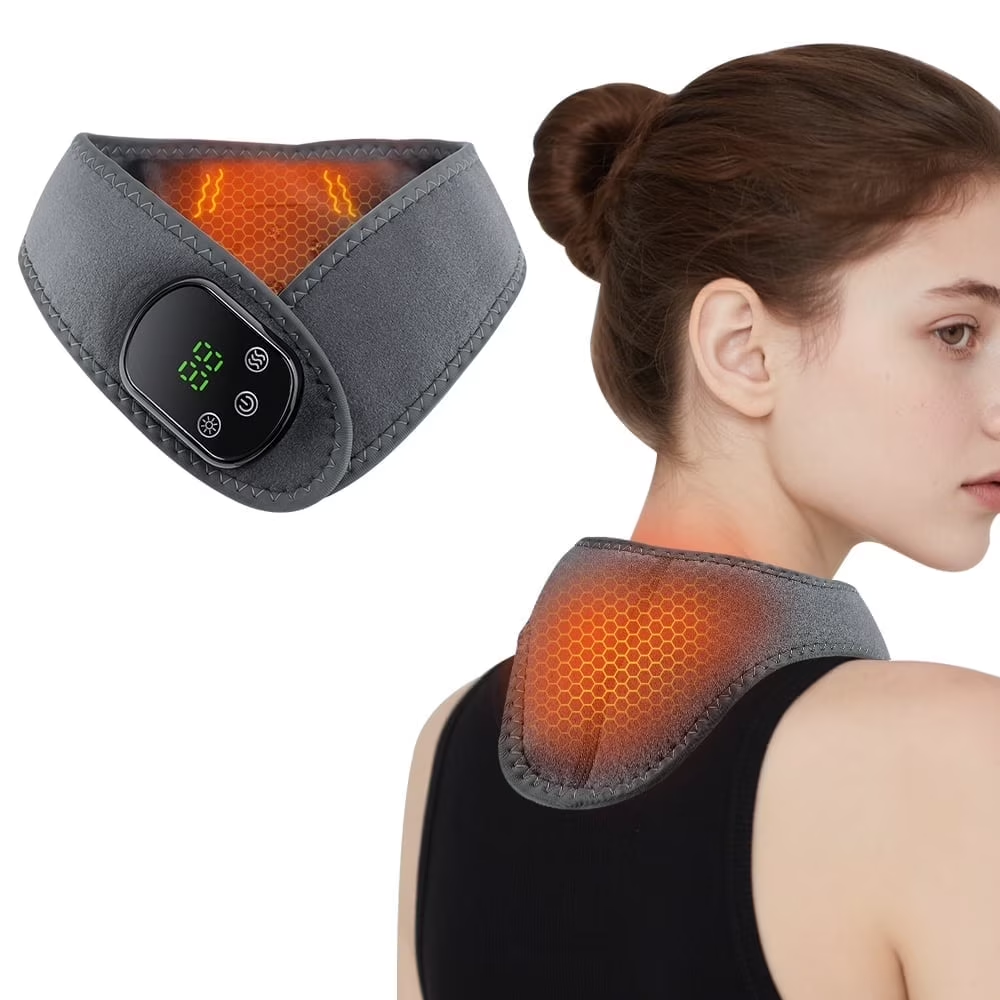
Shoulder blade pain can make everyday movement feel uncomfortable. Reaching, twisting, or even sitting still can trigger sharp discomfort.
A heating pad offers a simple, natural way to ease this pain. Heat therapy relaxes tight muscles and improves blood flow to the area.
This guide explains everything about using a heating pad for shoulder blade pain. You will learn the causes, safe usage steps, and the best product features.
By the end, you will know exactly how to use heat therapy for real, lasting relief.
What Causes Shoulder Blade Pain?
Shoulder blade pain, also called scapular pain, can come from many different sources. Understanding the cause helps you choose the right treatment.
Common Causes of Shoulder Blade Pain
- Muscle strain from poor posture
- Overuse from repetitive movements
- Pinched nerves in the neck or upper back
- Rotator cuff issues
- Stress-related muscle tension
- Poor sleeping position
Less Common but Serious Causes
- Gallbladder problems
- Heart-related issues
- Lung conditions
- Spinal disc problems
Most shoulder blade pain comes from muscle tension or posture issues. Still, persistent or severe pain always deserves a doctor’s evaluation.
How Does a Heating Pad Help Shoulder Blade Pain?
Heat therapy works by increasing blood flow to sore, tight muscles. This process helps deliver oxygen and nutrients to the affected area.
Key Benefits of Heat Therapy for Shoulder Blade Pain
- Relaxes tense muscles around the shoulder blade
- Improves blood circulation to the upper back
- Reduces stiffness and improves flexibility
- Eases chronic muscle knots and tension
- Provides a calming, soothing sensation
Heat does more than mask discomfort temporarily. It also supports the body’s natural healing process over time.
The Science Behind Heat and Muscle Relief
Warmth causes blood vessels to widen, a process called vasodilation. This allows more oxygen-rich blood to reach tight, sore tissue.
Increased circulation helps flush out waste products from strained muscles. This process can speed up recovery from minor tension and stiffness.
Types of Heating Pads for Shoulder Blade Pain
Choosing the right heating pad depends on your comfort needs and lifestyle. Different types offer different levels of convenience and control.
| Type | Best For | Key Feature |
| Electric heating pad | Home use, long sessions | Adjustable heat settings |
| Microwavable pad | Quick, portable relief | No electricity needed |
| Infrared heating wrap | Deeper muscle penetration | Targets deeper tissue layers |
| Wearable heat wrap | Hands-free, all-day use | Fits under clothing |
Electric Heating Pads
Electric heating pads offer precise, adjustable heat control. Many models include auto shut-off features for added safety.
These pads work best for home use near an outlet. They provide long, steady heat for extended relief sessions.
Microwavable Heating Pads
Microwavable pads are filled with grains, gel, or beads. They heat quickly and stay warm for a shorter period.
These pads are ideal for travel or quick relief sessions. They require no batteries or electrical cords at all.
Wearable Heat Wraps
Wearable wraps allow hands-free heat therapy throughout the day. Many designs fit discreetly under clothing for use at work or home.
These wraps often use battery power or adhesive heat packs. They offer convenience for people with busy daily schedules.
How to Use a Heating Pad Safely for Shoulder Blade Pain
Using a heating pad correctly maximizes relief and reduces risk. Following simple safety steps protects your skin from harm.
Step-by-Step Guide for Safe Use
- Check the heating pad for damage before each use
- Choose a low or medium heat setting to start
- Place a thin cloth between the pad and your skin
- Position the pad directly over the shoulder blade
- Use the pad for 15 to 20 minutes per session
- Remove the pad and check your skin for redness
- Repeat two to three times daily as needed
Never sleep with an electric heating pad still turned on. This simple precaution helps prevent burns and skin damage.
Warning Signs to Stop Heat Therapy
- Skin turns bright red or develops blisters
- Pain increases instead of easing
- You feel dizzy or lightheaded
- Numbness develops in the treated area
Stop using the heating pad immediately if these signs appear. See a doctor if symptoms continue after you stop treatment.

Heat vs. Cold Therapy for Shoulder Blade Pain
Many people wonder whether heat or cold works better for shoulder blade pain. The right choice depends on the type and timing of your injury.
When Heat Therapy Works Best
- Chronic muscle tightness
- Ongoing tension from poor posture
- Pain that feels better with warmth
- Stiffness without visible swelling
When Cold Therapy Works Better
- Recent injuries within the first 48 hours
- Visible swelling or inflammation
- Sharp pain following an accident
- Pain that worsens with heat
Using heat too soon on a fresh injury can increase swelling. Cold therapy is the safer choice during this early stage.
Best Heating Pad Positions for Shoulder Blade Pain
Correct placement makes a big difference in how well heat therapy works. The shoulder blade area requires careful positioning for full coverage.
Tips for Positioning Your Heating Pad
- Center the pad directly over the sore muscle area
- Use a wrap-style pad for full shoulder blade coverage
- Adjust straps so the pad stays secure during movement
- Recline slightly to keep the pad in place longer
A well-positioned pad delivers more consistent, effective heat. Poor placement can reduce results even with the right product.
Combining Heat Therapy With Other Treatments
Heat therapy works best as part of a complete pain relief routine. Combining it with other habits often speeds up recovery.
Helpful Additions to Heat Therapy
- Gentle stretching after each heat session
- Regular posture checks throughout the day
- Light strengthening exercises for the upper back
- Adequate hydration to support muscle recovery
- Restful sleep to allow the body to heal
Stretching After Heat Therapy
Warm muscles stretch more easily and with less discomfort. Gentle stretching after heat can improve long-term flexibility.
Avoid forcing any movement that causes sharp pain. Slow, gradual stretching supports healing far better than aggressive movement.
Posture Tips to Prevent Shoulder Blade Pain
Poor posture is one of the most common causes of shoulder blade pain. Small daily adjustments can prevent much of this discomfort.
Everyday Posture Habits That Help
- Keep your shoulders relaxed and pulled back slightly
- Adjust your desk and chair height for proper alignment
- Take regular breaks from sitting or repetitive tasks
- Avoid hunching over phones or laptops for long periods
- Strengthen your upper back muscles regularly
Combining posture correction with heat therapy often gives the best results. Addressing the root cause helps prevent pain from returning.
Who Should Avoid Using a Heating Pad?
Heat therapy is generally safe, but some people need extra caution. Certain health conditions raise the risk of complications.
Groups Who Should Check With a Doctor First
- People with diabetes and reduced skin sensation
- Individuals with poor blood circulation
- Pregnant women, especially with direct heat exposure
- Anyone with an active skin infection or open wound
- People with heart conditions affecting circulation
Checking with a doctor first ensures heat therapy stays safe for your situation. This step matters most for people with existing health conditions.
Choosing the Right Heating Pad: Key Features to Consider
Not all heating pads offer the same quality or safety features. A few key details can guide you toward the best choice.
Important Features to Look For
- Adjustable heat settings for personalized comfort
- Auto shut-off timer for added safety
- Wrap-around design for full shoulder blade coverage
- Machine-washable cover for easy cleaning
- Cordless or battery options for portability
Comparing Heat Duration and Convenience
| Feature | Electric Pad | Microwavable Pad | Wearable Wrap |
| Heat duration | Long, adjustable | Shorter, needs reheating | Moderate, portable |
| Best use case | Home relaxation | Travel or quick relief | All-day, hands-free use |
| Power source | Electrical outlet | Microwave heating | Battery or adhesive heat |
Choosing the right pad depends on your daily routine and pain pattern. Each option offers real, effective relief when used correctly.
Shoulder Blade Pain From Specific Causes
Different causes of shoulder blade pain may respond slightly differently to heat therapy. Understanding your specific trigger improves your results.
Heating Pad for Desk-Related Shoulder Blade Pain
Long hours at a desk often create tight, knotted muscles. Heat therapy relaxes these muscles before stretching or posture correction.
Taking short breaks throughout the workday also helps prevent buildup. Combining movement breaks with heat therapy offers lasting relief.
Heating Pad for Stress-Related Tension
Stress often causes people to unconsciously tense their shoulders. This tension can settle directly around the shoulder blades over time.
Heat therapy combined with relaxation techniques can ease this pattern. Deep breathing exercises paired with warmth often bring faster relief.
Heating Pad for Exercise-Related Soreness
Overuse from exercise can leave shoulder blade muscles sore and tight. Heat therapy after activity helps muscles recover more comfortably.
Always allow muscles to cool down naturally before applying heat. This helps avoid increasing inflammation right after intense activity.
When to See a Doctor for Shoulder Blade Pain
Most shoulder blade pain improves with rest, heat therapy, and posture changes. However, some symptoms need prompt medical attention.
Warning Signs That Need Medical Care
- Pain that lasts more than a few weeks
- Severe pain following a fall or injury
- Chest pain or shortness of breath alongside shoulder pain
- Numbness or tingling down the arm
- Pain that worsens despite home treatment
- Unexplained weight loss with persistent pain
Sudden shoulder blade pain with chest pressure needs emergency care right away. This combination can sometimes signal a serious heart issue.
How Doctors Diagnose Shoulder Blade Pain
- Physical examination of the shoulder and upper back
- Range of motion and strength testing
- Imaging tests like X-rays or MRI scans
- Review of your posture, activity level, and medical history
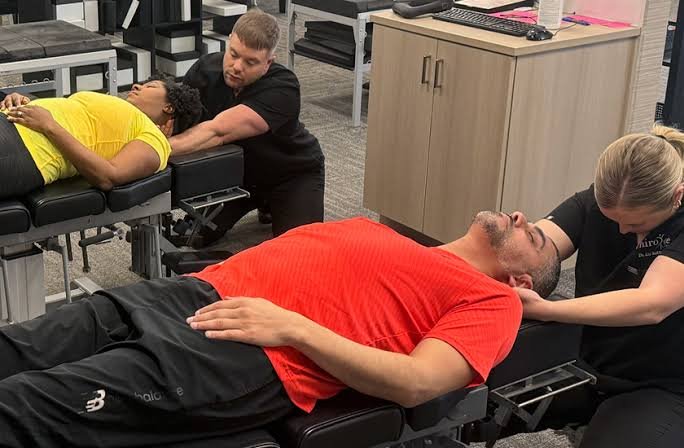
An accurate diagnosis helps guide the most effective treatment plan. This may include physical therapy, medication, or further specialist referral.
Daily Habits That Support Long-Term Relief
Heat therapy works best alongside healthy daily habits. Small lifestyle changes can reduce shoulder blade pain over time.
Habits That Reduce Shoulder Blade Strain
- Adjust your workstation setup to reduce tension
- Sleep in a position that supports your upper back
- Warm up before physical activity or exercise
- Strengthen upper back and shoulder muscles regularly
- Manage stress through relaxation techniques
Sleep Positions That Support Recovery
Sleeping on your stomach often worsens shoulder blade tension. Try sleeping on your back with proper pillow support instead.
A supportive mattress and pillow can also reduce nighttime discomfort. Small sleep adjustments often bring noticeable daytime improvement.
Final Thoughts
A heating pad offers a simple, effective way to ease shoulder blade pain. It supports healing by improving blood flow to tight, sore muscles.
Using proper technique and safety precautions makes a real difference. Combining heat therapy with good posture and gentle movement improves long-term results.
For persistent or severe shoulder blade pain, always consult a doctor. With the right approach, a heating pad can become a valuable part of your daily relief routine.
Frequently Asked Questions
How Long Should I Use a Heating Pad for Shoulder Blade Pain?
Most experts recommend 15 to 20 minutes per session. Using it longer increases the risk of skin irritation or burns.
Can I Use a Heating Pad Every Day for Shoulder Blade Pain?
Yes, many people use heating pads daily for chronic tension. Always follow safety guidelines and monitor your skin closely.
Is Heat or Ice Better for Shoulder Blade Pain?
Heat works best for chronic tightness and muscle tension. Ice works better for fresh injuries and visible swelling.
Can Poor Posture Really Cause Shoulder Blade Pain?
Yes, poor posture is one of the most common causes of this pain. Correcting posture often reduces pain significantly over time.
Are Wearable Heat Wraps Safe for All-Day Use?
Most wearable wraps are designed for safe, extended use. Always follow the manufacturer’s instructions for maximum wear time.
Can Stress Cause Shoulder Blade Pain?
Yes, stress often causes unconscious muscle tension around the shoulder blades. Combining heat therapy with relaxation techniques can help ease this pattern.
When Should Shoulder Blade Pain Be Treated as an Emergency?
Sudden pain with chest pressure or shortness of breath needs emergency care. This combination can sometimes indicate a serious heart-related issue.
Should I See a Doctor Before Using a Heating Pad?
People with diabetes, poor circulation, or skin conditions should check with a doctor first. This ensures heat therapy remains safe for their specific situation.
[…] reaction.Regular constipation-related discomfort can sometimes strain nearby muscles, and using a heating pad for shoulder blade pain can offer similar relief when tension spreads to your upper […]