
 By Rbia Eman
High blood pressure affects millions of people worldwide. Diet plays a major role in keeping it under control.Most people focus only on cutting salt. But boosting potassium may matter just as much for healthy blood pressure.
Potassium helps balance sodium levels in the body. It also helps blood vessels relax, which supports lower blood pressure naturally.
This guide covers ten powerful potassium-rich foods. You will also learn how much potassium you need and how to add these foods to your daily meals.
Why Potassium Matters for Blood Pressure
Potassium is a mineral that plays a key role in heart health. It works alongside sodium to control fluid balance in the body.
How Potassium Supports Healthy Blood Pressure
- Helps the body remove excess sodium through urine
- Supports relaxation of blood vessel walls
- Reduces strain on the heart over time
- Balances the sodium-to-potassium ratio in the diet
Research shows the sodium-to-potassium ratio predicts heart health better than sodium alone. This makes potassium an essential part of any blood pressure plan.
How Much Potassium Do You Need?
Most health experts recommend 3,500 to 5,000 mg of potassium daily. Unfortunately, most people fall far short of this target.
Whole foods remain the safest and most effective way to reach this goal. The ten foods below offer some of the richest potassium sources available.
1. Baked Potatoes (With Skin)
Baked potatoes rank among the richest potassium sources in a typical diet. A single medium potato with skin offers around 919 mg of potassium.
Why Baked Potatoes Support Blood Pressure
The skin holds much of the potato’s potassium content. Removing the skin significantly lowers the nutritional value of this food.
Simple Ways to Enjoy Baked Potatoes
- Top with plain yogurt instead of sour cream
- Add steamed vegetables for extra nutrients
- Season with herbs instead of salt
- Pair with grilled fish or chicken for a balanced meal
Baked potatoes offer a filling, affordable way to boost daily potassium intake. Choosing healthy toppings keeps sodium levels low at the same time.
2. Salmon
Salmon offers an impressive combination of potassium and heart-healthy fats. A small filet contains about 763 mg of potassium.
Why Salmon Supports Heart Health
Beyond potassium, salmon provides omega-3 fatty acids. These fats support healthy blood vessels and reduce inflammation throughout the body.
Ways to Add Salmon to Your Diet
- Bake or grill salmon with lemon and herbs
- Add to salads for a protein-rich lunch
- Pair with roasted vegetables for dinner
- Use canned salmon for quick, easy meals
Eating salmon two to three times a week supports both potassium intake and overall heart health. This makes it a powerful addition to a blood pressure-friendly diet.
3. Spinach
Spinach is a leafy green packed with potassium and other essential nutrients. A half cup of cooked spinach provides about 591 mg of potassium.
Why Spinach Supports Blood Pressure
Spinach is naturally low in sodium and high in potassium. This combination makes it especially valuable for blood pressure management.
Easy Ways to Eat More Spinach
- Add fresh spinach to salads and sandwiches
- Blend into smoothies for a nutrient boost
- Sauté with garlic as a simple side dish
- Mix into soups, stews, or pasta dishes
Cooking spinach slightly increases its concentrated nutrient content per serving. This makes cooked spinach an efficient way to boost potassium intake.
4. Bananas
Bananas are often the first food people think of for potassium. One medium banana provides a solid, convenient source of this mineral.
Why Bananas Are a Popular Choice
Bananas are easy to carry, require no preparation, and taste naturally sweet. This makes them a convenient snack for busy lifestyles.
Ways to Enjoy Bananas
- Eat as a quick, portable snack
- Slice into oatmeal or cereal
- Blend into smoothies with other fruits
- Use as a natural sweetener in baking
While other foods contain more potassium per serving, bananas remain an easy, accessible daily option. Their convenience makes them a reliable addition to any diet.
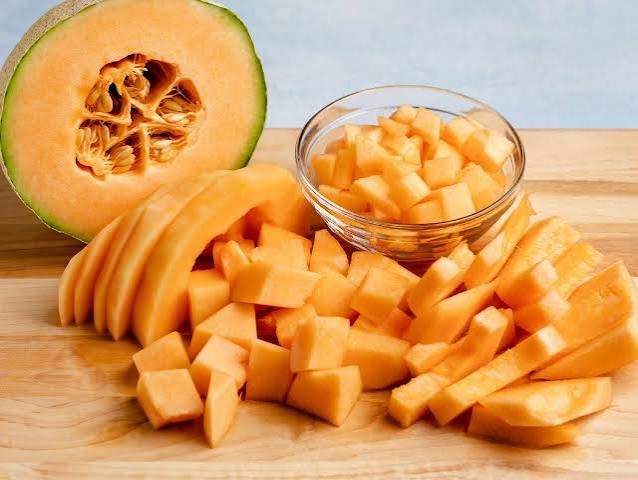
5. Cantaloupe
Cantaloupe is a refreshing fruit rich in both potassium and hydration. One cup of raw cantaloupe offers about 417 mg of potassium.
Why Cantaloupe Supports Blood Pressure
This fruit combines high water content with a solid potassium boost. Staying hydrated also supports healthy blood volume and circulation.
Ways to Add Cantaloupe to Your Diet
- Eat fresh as a light snack
- Add to fruit salads for variety
- Blend into smoothies for natural sweetness
- Pair with yogurt for a balanced breakfast
Cantaloupe offers a low-calorie, high-potassium option for warmer months. It works well as a refreshing addition to any balanced meal plan.
6. Low Fat Milk
Low-fat milk offers potassium along with calcium and protein. An 8-ounce serving of 1% milk contains about 388 mg of potassium.
Why Milk Supports Blood Pressure
Milk contributes to the DASH diet’s overall nutrient profile. This eating pattern is well known for supporting healthy blood pressure.
Ways to Include Milk in Your Diet
- Drink a glass with breakfast or a snack
- Use in smoothies for added creaminess
- Add to oatmeal or whole grain cereal
- Use in cooking to boost nutrient content
Choosing low-fat options helps limit saturated fat while still gaining potassium benefits. This makes milk a smart addition to a heart-healthy diet.
7. Pinto Beans
Pinto beans are a plant-based protein packed with potassium. A half cup of cooked pinto beans offers about 373 mg of potassium.
Why Pinto Beans Support Blood Pressure
Beans are naturally low in sodium and high in fiber. This combination supports both heart health and healthy digestion.
Ways to Add Pinto Beans to Meals
- Add to soups and stews for extra fiber
- Use in tacos or burritos as a protein source
- Blend into dips for a healthy snack option
- Mix into salads for added texture
Pinto beans offer an affordable, versatile way to boost potassium intake. They fit easily into many different cuisines and meal styles.
8. Lentils
Lentils are another excellent plant-based source of potassium. They also provide fiber, protein, and iron in a single serving.
Why Lentils Support Heart Health
Lentils are naturally low in fat and sodium. Their high fiber content also supports healthy cholesterol levels alongside blood pressure control.
Ways to Cook With Lentils
- Add to soups for a hearty, filling meal
- Use as a meat substitute in curries
- Mix into salads for added protein
- Cook into a simple side dish with herbs
Lentils cook quickly and absorb flavors well, making them easy to add to many recipes. Their nutrient density makes them a smart everyday choice.
9. White Beans
White beans offer another potassium-rich, plant-based option for your diet. They work well in a wide variety of dishes and cuisines.
Why White Beans Support Blood Pressure
Like other legumes, white beans are low in sodium and rich in fiber. This combination supports healthy blood vessels and digestion.
Ways to Add White Beans to Your Diet
- Blend into a creamy, homemade dip
- Add to soups and stews for texture
- Mix into salads for extra protein
- Use as a side dish with herbs and olive oil
White beans offer a mild flavor that pairs well with many seasonings. This makes them easy to incorporate into everyday cooking.
10. Edamame
Edamame, or young soybeans, offer a plant-based protein rich in potassium. They also provide fiber and other important nutrients.
Why Edamame Supports Blood Pressure
Edamame is naturally low in sodium when prepared without added salt. Its plant-based protein makes it a heart-healthy alternative to processed snacks.
Ways to Enjoy Edamame
- Steam and lightly salt with herbs instead of table salt
- Add to stir-fries for extra protein
- Mix into salads for a crunchy texture
- Enjoy as a simple, satisfying snack
Edamame offers a quick, satisfying way to boost potassium intake. It works well as a snack or a meal addition.
Potassium Content Comparison Table
Comparing potassium content helps you plan meals more effectively. Here is a quick overview of all ten foods.
| Food | Serving Size | Potassium Content |
| Baked potato (with skin) | 1 medium potato | 919 mg |
| Salmon | 1 small filet | 763 mg |
| Spinach (cooked) | 1/2 cup | 591 mg |
| Cantaloupe | 1 cup | 417 mg |
| Low-fat milk | 8 ounces | 388 mg |
| Pinto beans | 1/2 cup | 373 mg |
| Lentils | 1/2 cup | Around 365 mg |
| White beans | 1/2 cup | Around 380 mg |
| Bananas | 1 medium | Around 320 mg |
| Edamame | 1/2 cup | Around 340 mg |
This table makes it easy to compare foods when planning meals. Mixing several of these foods throughout the week helps you reach your daily potassium goal.
Building a Potassium Rich Meal Plan
Adding these foods to your daily routine doesn’t require major changes. Small, consistent swaps can make a real difference over time.
Sample One-Day Meal Plan
- Breakfast: Oatmeal topped with banana slices and low-fat milk
- Lunch: Spinach salad with grilled salmon and a side of lentils
- Dinner: Baked potato with a side of edamame and steamed vegetables
- Snack: Fresh cantaloupe or a small handful of pinto beans
This simple plan combines several potassium-rich foods throughout the day. Following a similar pattern regularly supports steady, long-term progress.
Tips for Increasing Potassium Gradually
- Add one new potassium-rich food each week
- Swap processed snacks for whole food options
- Choose whole foods over potassium supplements
- Track your intake with a food journal or app
Gradual changes tend to stick better than sudden, drastic diet overhauls. Small steps build sustainable, long-term habits.
Foods to Limit Alongside Potassium-Rich Choices
Boosting potassium works best alongside reducing sodium intake. Certain foods can quickly undo the benefits of a potassium-rich diet.
Foods High in Hidden Sodium
- Canned soups and vegetables
- Frozen processed meals
- Deli meats and cured meats
- Packaged snacks and chips
- Restaurant and fast food meals
Reading nutrition labels helps you spot hidden sodium easily. Choosing fresh or low-sodium versions supports better overall balance.
Who Should Be Careful With Potassium Intake?
While potassium benefits most people, certain groups need extra caution. Medical guidance matters most for these individuals.
Groups Who Should Consult a Doctor First
- People with chronic kidney disease
- People with heart failure
- Individuals with high blood potassium levels
- Anyone taking medications that affect potassium levels
Certain blood pressure medications, like ACE inhibitors, can interact poorly with excess potassium. Checking with a doctor helps prevent dangerous complications.
Common Myths About Potassium and Diet
Misunderstandings about potassium can lead to confusion around healthy eating. Clearing up these myths supports smarter food choices.
Bananas Are the Best Potassium Source
Bananas are popular, but several other foods contain more potassium per serving. Potatoes, salmon, and spinach often outperform bananas in potassium content.
Supplements Work Just as Well as Food
Whole foods provide potassium alongside fiber, vitamins, and other nutrients. Supplements lack these added benefits and carry more risk without medical guidance.
More Potassium Is Always Better
Potassium needs vary based on individual health conditions. People with kidney or heart conditions may need to limit their intake carefully.
Only Fruits Contain Potassium
Vegetables, legumes, dairy, and fish all offer significant potassium too. A varied diet provides more balanced, complete nutrition than fruit alone.
Final Thoughts
Adding potassium-rich foods to your diet supports long-term heart health. These ten foods offer simple, effective ways to reach your daily potassium goal.
Combining potassium intake with lower sodium creates the strongest results. This balanced approach supports healthier blood pressure over time.
Always consult a doctor before making major dietary changes, especially with existing health conditions. With the right foods and guidance, better blood pressure control becomes an achievable goal.
Frequently asked questions
What Is the Best Potassium-Rich Food for Blood Pressure?
Baked potatoes with the skin offer one of the highest potassium amounts per serving. Salmon and spinach also rank among the top choices.
How Much Potassium Should I Eat Daily?
Most adults should aim for 3,500 to 5,000 mg of potassium daily. Whole foods offer the safest way to reach this target.
Can I Get Enough Potassium From Fruit Alone?
No, vegetables, legumes, dairy, and fish also provide significant potassium. A varied diet offers more complete nutrition than fruit alone.
Are Potassium Supplements Necessary?
Most people can meet their potassium needs through whole foods alone. Supplements should only be used under a doctor’s guidance.
Is It Safe to Eat High-Potassium Foods Every Day?
Yes, for most healthy adults, daily potassium-rich foods are safe and beneficial. People with kidney disease should check with a doctor first.
Do Potassium-Rich Foods Replace Blood Pressure Medication?
No, dietary changes support blood pressure management but don’t replace medication. Always follow your doctor’s guidance regarding prescribed treatment.
Which Potassium Rich Food Has the Least Sodium?
Fresh spinach, lentils, and unsalted edamame are naturally very low in sodium. Choosing fresh, unprocessed versions keeps sodium levels minimal.
How Long Does It Take to See Blood Pressure Improvement From Diet?
Some changes appear within days, while potassium’s full effects build over one to two weeks. Consistency over several weeks brings the best results.
[…] is the usual pick again. Magnesium helps regulate the nervous system and supports normal muscle relaxation, and glycine adds its own soothing effect. If you carry […]
[…] are intended to supplement, not substitute for meals. A pill can’t provide all the fiber and protein and good fat and hundreds of natural chemicals found in a real-food […]