
 By Rbia Eman
A sudden stomach emergency rarely gives you time to think. All you want in that moment is quick relief.But knowing whether you have food poisoning or the stomach flu really matters. It helps you understand your next steps and how long you might feel sick.
This guide breaks down the key differences between these two common illnesses. You will learn the causes, symptoms, timelines, and best ways to recover.By the end, you will know exactly what your body is dealing with and when it’s time to call a doctor.
What Causes the Stomach Flu?
The stomach flu, also called viral gastroenteritis, is extremely common. It spreads easily between people in close contact.
How the Stomach Flu Spreads
Crowded spaces make the perfect setting for this virus to travel. Cruise ships are a classic example of this kind of environment.
People in enclosed spaces often touch the same surfaces repeatedly. This close contact allows the virus to pass quickly from person to person.
Why the Stomach Flu Feels So Contagious
Unlike food poisoning, the stomach flu comes from a virus, not food. It spreads through contact rather than something you ate.This is why entire households or groups often get sick around the same time. One person catches it, then passes it along to others nearby.
What Causes Food Poisoning?
Food poisoning comes directly from something you ate. Bacteria growth is usually the main culprit behind these symptoms.
Common Causes of Food Poisoning
- Food that wasn’t cooked to a safe temperature
- Food left out too long without refrigeration
- Cross-contamination between raw and cooked foods
- Foods that simply don’t agree with your body
Sometimes food poisoning isn’t caused by bacteria at all. Certain foods may just cause a reaction similar to typical food poisoning symptoms.
Shared Symptoms That Make Diagnosis Tricky
Food poisoning and the stomach flu share several overlapping symptoms. This overlap often makes it hard to tell them apart right away.
Symptoms Common to Both Conditions
- Diarrhea, which can be watery or occasionally bloody
- Nausea
- Vomiting
- Fever and chills in some cases
Why Diarrhea Sometimes Turns Bloody
Bloody diarrhea often happens when diarrhea comes on very suddenly. This rapid onset can disrupt the intestinal tract and cause minor bleeding.While alarming, this symptom doesn’t always signal a serious problem. Still, it’s worth mentioning to a doctor if it happens.
Key Differences Between Food Poisoning and the Stomach Flu
Despite shared symptoms, two major factors set these conditions apart. Timing and duration offer the clearest clues for identification.
Comparing Onset and Duration
| Factor | Stomach Flu | Food Poisoning |
| Time until symptoms start | 24 to 48 hours | 2 to 6 hours |
| How symptoms typically develop | Gradual after exposure | Sudden after eating |
| Average duration | About 2 days, sometimes longer | Usually brief, often shorter |
| Common source | Contact with an infected person | Contaminated or spoiled food |
How Fast Do Symptoms Appear?
The stomach flu usually takes one to two days to cause symptoms. This delay makes it harder to trace back to a specific source.
Food poisoning acts much faster, often within two to six hours of eating. This quick onset makes it easier to connect symptoms to a recent meal.
Why Timing Helps With Identification
Group settings often reveal food poisoning patterns quickly. If everyone at a picnic gets sick together, spoiled food is often the cause.
The stomach flu spreads more slowly through contact over a day or two. This slower pattern makes it harder to pinpoint a single source.
How Long Do Symptoms Last?
Food poisoning tends to resolve faster than the stomach flu. It often clears within a short period as the body removes what caused it.The stomach flu typically lasts around two days, though it can linger longer. Both illnesses eventually resolve on their own without special treatment.
Stomach Flu Symptoms Explained
The stomach flu brings a distinct set of symptoms beyond digestive upset. Recognizing these signs helps confirm what you’re dealing with.
Common Symptoms of the Stomach Flu
- Nausea
- Diarrhea
- Vomiting
- Fever and chills, more often than with food poisoning
Stomach Flu vs. Influenza: Don’t Confuse the Two
Despite the name, the stomach flu is not the same as influenza. Both are viral, but they affect the body very differently.
Influenza is a respiratory illness with coughing and shortness of breath. The stomach flu instead causes digestive symptoms like diarrhea and nausea.

Food Poisoning Symptoms Explained
Food poisoning symptoms often overlap with the stomach flu but tend to feel more sudden. Severity can also vary quite a bit between cases.
Common Symptoms of Food Poisoning
- Vomiting
- Diarrhea
- Occasional fever
- Stomach cramps
Symptoms can range from mild discomfort to fairly severe illness. Most cases still resolve within a short period without medical treatment.
How to Recover From Food Poisoning and the Stomach Flu
Both conditions share the same basic treatment approach. Rest and hydration remain the top priorities during recovery.
Why Dehydration Is the Biggest Risk
The greatest danger from either illness comes from fluid loss. Vomiting and diarrhea remove both harmful toxins and essential fluids together.Fever adds another layer of fluid loss to this process. Even without visible sweating, a fever burns through fluids quickly.
The Role of Electrolytes in Recovery
Electrolytes are essential minerals like sodium, potassium, and magnesium. These minerals help your body absorb and retain fluids more effectively.
Replacing electrolytes supports better hydration during illness. This helps your body hold onto the water you’re drinking instead of losing it too quickly.
Best Ways to Stay Hydrated
- Drink water consistently throughout the day
- Add electrolyte drinks alongside plain water
- Take small, frequent sips rather than large amounts at once
- Avoid caffeine and alcohol during recovery
Why Medication Often Isn’t Needed
Both illnesses are considered self-limited conditions. This means your body typically resolves them on its own over time.
Medication is rarely necessary for either condition. Antibiotics can even make symptoms worse, and flu medications don’t work for stomach viruses.
When to See a Doctor
Most cases of food poisoning and the stomach flu improve without medical care. Still, certain warning signs mean it’s time to seek help.
Warning Signs That Need Medical Attention
- A fever above 102°F (38.3°C)
- Extreme drowsiness or difficulty staying awake
- Trouble speaking clearly or coherently
- Symptoms lasting longer than 48 hours without improvement
- Symptoms that appear to be getting worse over time
Reaching out to a doctor helps rule out more serious concerns. It also provides guidance if your symptoms don’t follow the typical pattern.
What to Expect During a Doctor’s Visit
Doctors typically ask detailed questions about recent meals and contacts. This history helps determine whether food poisoning or a virus is the likely cause.
This conversation guides the right treatment approach for your specific case. It also helps identify whether further testing is needed.
Comparing Food Poisoning and Stomach Flu at a Glance
This quick comparison table summarizes the key differences discussed throughout this guide.
| Feature | Stomach Flu | Food Poisoning |
| Cause | Virus spread through contact | Bacteria or toxins in food |
| Onset time | 24–48 hours after exposure | 2–6 hours after eating |
| Typical duration | About 2 days or longer | Usually shorter and brief |
| Fever likelihood | More common | Less common, but possible |
| Spread pattern | Person to person | Often affects groups eating the same food |
| Main treatment | Rest and hydration | Rest and hydration |
How to Prevent the Stomach Flu
Prevention plays a major role in avoiding this contagious virus. Simple daily habits can significantly lower your risk.
Effective Prevention Habits
- Wash your hands frequently and thoroughly
- Avoid touching your face after touching shared surfaces
- Disinfect commonly touched surfaces during outbreaks
- Avoid close contact with sick individuals when possible
Handwashing remains the most effective defense against this virus. Most transmission happens through contaminated surfaces and unwashed hands.
How to Prevent Food Poisoning
Food safety habits can dramatically reduce your risk of food poisoning. A few simple precautions make a real difference.
Effective Food Safety Habits
- Keep coolers cold during outdoor gatherings and picnics
- Refrigerate leftovers within two hours of cooking
- Cook meat and eggs to safe internal temperatures
- Avoid leaving food out in hot or humid weather
- Wash hands and surfaces before preparing food
Hot and humid weather speeds up bacteria growth significantly. Keeping food properly chilled becomes even more important during warmer months.
Building a Recovery Plan at Home
Having a clear plan at home makes recovery smoother for both conditions. These simple steps support your body’s natural healing process.
Steps for a Smooth Recovery
- Rest as much as possible during the first day or two
- Sip water and electrolyte drinks consistently
- Avoid solid food until nausea improves
- Slowly reintroduce bland foods like toast or rice
- Monitor your symptoms for any warning signs
- Contact a doctor if symptoms worsen or persist
Following these steps supports steady, comfortable recovery. Most people start feeling noticeably better within a day or two.
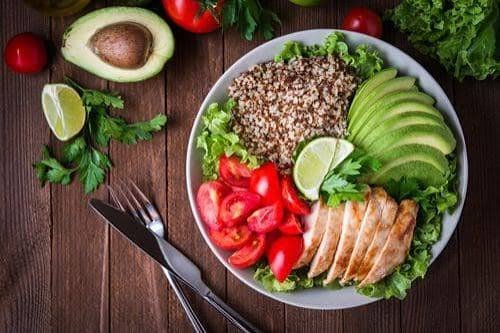
Foods to Eat and Avoid During Recovery
Choosing the right foods during recovery can ease symptoms. Certain foods are gentler on an upset stomach than others.
Gentle Foods to Try During Recovery
- Plain toast or crackers
- White rice
- Bananas
- Clear broths or soups
- Applesauce
Foods to Avoid During Recovery
- Dairy products
- Fatty or fried foods
- Spicy dishes
- Caffeinated beverages
- Alcohol
Reintroducing food slowly helps prevent further stomach upset. Starting with bland, easy-to-digest options supports a smoother recovery process.
Final Thoughts
Both illnesses share uncomfortable symptoms, but key differences help set them apart. Timing, duration, and the source of exposure offer the clearest clues.Rest and hydration remain the best treatment for both conditions. Most cases resolve on their own within a couple of days.
Still, certain warning signs mean it’s time to call a doctor. Watching for severe symptoms helps ensure you get the right care when needed.With good hygiene and food safety habits, many cases of both illnesses can be prevented altogether.
FAQs
How Can I Tell if It’s Food Poisoning or the Stomach Flu?
Food poisoning usually starts within a few hours of eating. The stomach flu typically takes one to two days to cause symptoms.
How Long Does Food Poisoning Usually Last?
Food poisoning tends to resolve fairly quickly, often within a day or so. Severity and duration can still vary between individual cases.
How Long Does the Stomach Flu Typically Last?
The stomach flu usually lasts about two days, though it can sometimes last longer. Most people start feeling better within this timeframe.
What Should I Drink When Recovering From Either Illness?
Water combined with electrolyte drinks works best for rehydration. Small, frequent sips help your body retain fluids more effectively.
Can Antibiotics Help Treat Food Poisoning or the Stomach Flu?
No, antibiotics don’t treat viral stomach flu and can sometimes worsen symptoms. Both conditions typically resolve with rest and hydration alone.
When Should I See a Doctor for Stomach Symptoms?
See a doctor if you have a fever above 102°F, severe drowsiness, or symptoms lasting more than 48 hours. Worsening symptoms also warrant medical attention.
Is the Stomach Flu the Same as Influenza?
No, despite the similar name, the stomach flu is a different illness than influenza. Influenza causes respiratory symptoms, while stomach flu affects digestion.
How Can I Prevent Food Poisoning at a Picnic?
Keep food properly chilled in a cooler and avoid leaving it out in the heat. Cooking food thoroughly also reduces the risk of bacterial growth.