
 By Rbia Eman
Finding healthy places to eat used to mean settling for a sad salad and calling it a day. Not anymore. As more people pay attention to what goes into their meals, restaurants have stepped up building menus that are just as focused on taste as they are on nutrition.
This guide walks you through what actually makes a restaurant healthy,how the healthy dining scene has changed over time, and how to spot and choose the best healthy places to eat, whether you’re sitting down for dinner or grabbing takeout on a busy day.
How Healthy Places to Eat Have Changed Over Time
Eating well isn’t a new idea, it’s just evolved. Generations ago, healthy eating simply meant eating what was local and in season: fresh produce, whole grains, and simple proteins tied to the rhythm of the year. There wasn’t much complexity to it just food close to its natural state.
Today, “healthy” means something broader. Healthy places to eat now cater to vegan, vegetarian, gluten-free, low-carb, and countless other dietary needs often all on the same menu. The core idea hasn’t changed (real, nutrient-rich food), but the variety and creativity behind it has grown enormously.
What Actually Makes a Restaurant Healthy?
Not every restaurant that slaps healthy on its sign earns the label. Here’s what genuinely healthy places to eat tend to have in common:
1. Nutrient Dense Ingredients
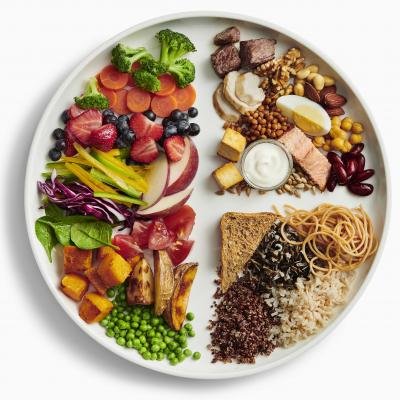
The best healthy places to eat build their menus around whole, minimally processed ingredients: fresh vegetables, lean proteins, whole grains, and healthy fats rather than relying on ultra-processed shortcuts.
2. Cooking Methods That Preserve Nutrition
Grilling, steaming, and roasting hold onto more nutrients than deep-frying. Restaurants that genuinely care about health lean on these techniques instead of defaulting to the fryer.
3. Balanced, Varied Menus
A truly healthy menu isn’t one-note. It offers a mix of flavors, textures, and dietary options so there’s something for everyone at the table, not just the person “on a diet.”
4. Reasonable Portions
Healthy eating isn’t only about ingredients; portion size matters too. Restaurants that get this right help diners enjoy a satisfying meal without pushing them into overindulgence.
5. Transparency About What’s on Your Plate
The best healthy places to eat make it easy to know what you’re eating clear menus, visible nutritional information, and straightforward answers when you ask about ingredients.
Low Carb Options at Healthy Places to Eat
Low-carb eating has become one of the most requested dietary preferences, largely thanks to its potential benefits for weight management and blood sugar control. Good healthy places to eat take this seriously, swapping out high-carb staples for creative, satisfying alternatives think cauliflower rice instead of white rice, or lettuce wraps instead of bread without sacrificing flavor or portion satisfaction.

Healthy Takeout: Eating Well Without the Sit-Down Meal
Not every meal happens at a table, and the best healthy places to eat know it. Healthy takeout has become a genuine category of its own meals designed to travel well while keeping the same nutritional standards as dine-in options.
Whether you’re grabbing lunch between meetings or skipping the kitchen after a long day, a good healthy takeout order should deliver the same quality, freshness, and balance you’d expect from eating in.
It’s Not Just About the Food
Walking into one of the better healthy places to eat should feel like more than a transaction. The best ones create a space where you can actually slow down good lighting, comfortable seating, and staff who understand dietary needs without making a big deal out of them.
Many of these restaurants also extend their health-conscious values behind the scenes, through sustainable sourcing and thoughtful supply chains which, in a roundabout way, is part of what makes the food taste better.
How to Choose Healthy Places to Eat (Without the Guesswork)
Menus can be overwhelming, especially when everything is marketed as “healthy.” A few simple rules make it easier:
- Look for whole ingredients vegetables, lean proteins, and whole grains listed by name, not vague menu descriptions.
- Check the cooking method grilled, steamed, or roasted dishes are usually a safer bet than fried.
- Ask about portion sizes if you’re managing calorie intake a good restaurant will tell you plainly.
- Don’t ignore your dietary needs the best healthy places to eat will happily accommodate gluten-free, low-carb, vegan, or other preferences without friction.
- Read past the marketing, a healthy label means little without nutrient-dense ingredients and transparency behind it.
What’s Next for Healthy Dining
The demand for nutritious, flavorful food isn’t slowing down. Expect to see more healthy places to eat experimenting with new ingredients, sharper sustainability practices, and easier access to nutritious meals both in-restaurant and through takeout.
Final Thoughts
Healthy places to eat aren’t a passing trend; they’re a genuine shift in how people want to eat: food that’s nourishing, flavorful, and made with intention. Whether you’re dining in or ordering takeout, keeping an eye on ingredients, preparation methods, and portion sizes will help you eat well without ever feeling like you’re settling.
Frequently Asked Questions
What makes a restaurant count as healthy?
A restaurant earns the label through nutrient-dense ingredients, mindful cooking methods (like grilling or steaming instead of frying), and a balanced, varied menu.
How do I make healthier choices when eating out?
Lean toward dishes built around lean proteins, vegetables, and whole grains, and don’t hesitate to ask how something is prepared. Restaurants that care about health are usually happy to explain.
What’s the easiest way to find good healthy places to eat near me?
Look for menus that are transparent about ingredients and nutrition, offer options across dietary preferences, and use cooking methods that preserve nutrients rather than mask them in oil.
Are healthy places to eat more expensive than regular restaurants?
Not necessarily. While some health-focused restaurants sit at a premium price point due to quality sourcing, many offer mid-range pricing comparable to standard dining especially for lunch menus and takeout options.
Can healthy places to eat accommodate specific diets like keto or gluten free? Yes. Most healthy-focused restaurants build flexibility into their menus, offering swaps and substitutions for keto, gluten-free, vegan, vegetarian, and other common dietary needs.
Is healthy takeout actually as nutritious as eating in?
It can be, as long as the restaurant maintains the same standards for both. Look for takeout menus that list the same ingredients and preparation methods as the dine-in menu, rather than a stripped-down version.
How do I know if a healthy menu label is legitimate?
Check for specifics named whole ingredients, visible nutritional information, and clear cooking methods. Vague terms like “clean” or “wholesome” without any backing detail are often just marketing.