
 By Rbia Eman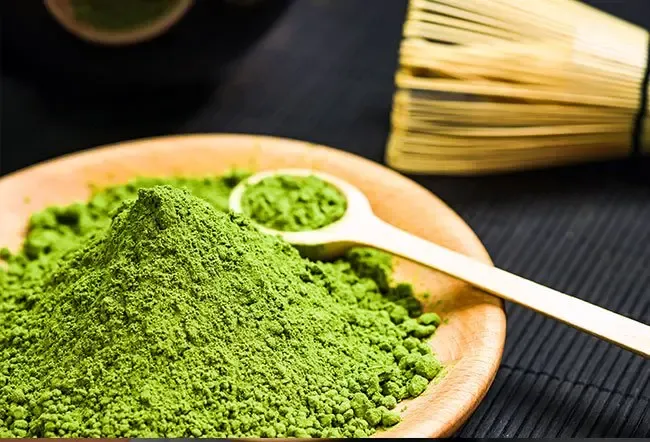
If you enjoy matcha or are thinking about trying it, you may wonder, does matcha have caffeine? The answer is yes. Matcha naturally contains caffeine because it is made from finely ground green tea leaves. However, its caffeine content and effects can be different from those of coffee and other caffeinated drinks. Matcha also contains L-theanine, an amino acid that may contribute to a calmer, more sustained feeling of alertness.
What Is Matcha?
Matcha is a bright green powder. It is made from ground tea leaves. These leaves come from the same plant used to make green tea.
How Matcha Is Different From Green Tea
The big difference is how it is made. With regular green tea, you steep the leaves in water. Then you throw the leaves away. With matcha, you drink the whole leaf in powder form.This means matcha gives you more nutrients. It also gives you more caffeine. That is one reason matcha feels stronger than regular tea.
A Short History of Matcha
Matcha comes from Japan. It has been used for hundreds of years. Monks used it to stay alert during long meditation sessions. Samurai warriors also drank it before battles for focus and energy.Today, people drink matcha in many forms. You can find it in lattes, smoothies, ice cream, and even baked goods.
Does Matcha Have Caffeine?
Yes. Matcha does have caffeine. It actually has more caffeine than regular brewed green tea. This is because you eat the full leaf, not just the water it sat in.
How Much Caffeine Is in One Cup of Matcha?
On average, one gram of matcha has about 35 to 70 mg of caffeine. A normal serving uses one to two grams of powder. So one cup of matcha can give you 35 to 140mg of caffeine.That is a wide range. The exact amount depends on how much powder you use and how strong you make your drink.
Is That a Lot of Caffeine?
This makes matcha a strong source of natural caffeine. It is stronger than most other teas. But it is usually gentler than coffee. For most people, this amount is safe and gives a nice energy boost.
How Much Caffeine Does Matcha Have Compared to Other Drinks?
Let’s compare matcha to other common drinks. This will help you see where it stands.
- Matcha (1 cup): 35–70 mg of caffeine
- Green tea (1 cup): 20–45 mg of caffeine
- Black tea (1 cup): 40–70 mg of caffeine
- Coffee (1 cup): 80–100 mg of caffeine
- Espresso shot: 60–80 mg of caffeine
- Energy drink (1 can): 80–150 mg of caffeine
As you can see, matcha has less caffeine than coffee. But it has more than plain green tea or black tea. The exact number changes based on how strong you make it.
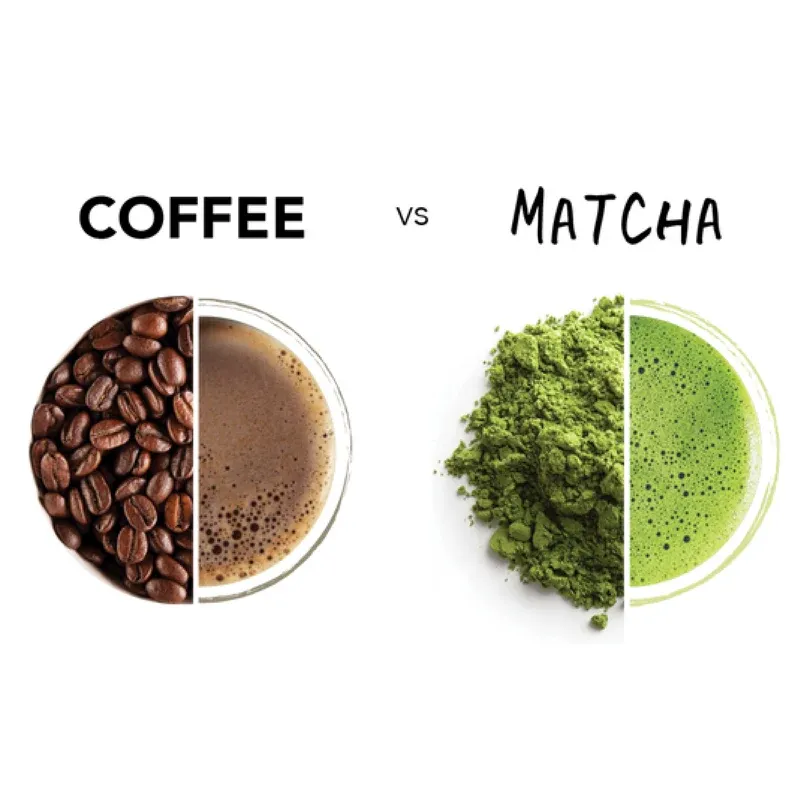
Matcha vs Coffee: Which Is Better for Caffeine?
Many beginners want to know if matcha is better than coffee. Let’s break this down into simple parts.
How Caffeine Is Released
Matcha releases caffeine slowly. Coffee releases it fast. This happens because matcha has a natural compound called L-theanine.L-theanine slows down how fast your body absorbs caffeine. This gives you a smooth energy boost. It lasts longer than coffee’s quick spike.
Calm Energy vs Jittery Energy
Coffee often makes people feel jittery. Some people get shaky hands or a racing heart. This happens because coffee hits your system fast.Matcha feels different. People often describe it as “calm energy.” You feel alert, but not anxious. This is thanks to L-theanine working with the caffeine.
The Caffeine Crash
Coffee is famous for its crash. You feel great for an hour. Then you feel tired and sluggish. This happens because caffeine leaves your system quickly.Matcha does not usually cause this crash. Its energy release is more steady. Many people feel good for four to six hours after drinking it.
Antioxidants and Health Benefits
Matcha is full of antioxidants called catechins. One type, called EGCG, is very powerful. It may help protect your cells from damage.Coffee also has antioxidants. But matcha’s antioxidant profile is often seen as more beneficial for long-term health.
Taste and Preparation
Coffee has a bold, bitter taste. Matcha has a smooth, earthy, and slightly sweet taste. Coffee needs brewing equipment. Matcha needs a whisk and a bowl, or a simple frother.
Does Matcha’s Caffeine Affect Sleep?
Yes, it can. Since matcha does have caffeine, it can make it hard to fall asleep if you drink it too late.
The Best Time to Drink Matcha
Most experts suggest stopping caffeine six to eight hours before bed. This rule applies to matcha too. If you are sensitive to caffeine, try to drink matcha earlier in the day. Morning or early afternoon is usually best.
What to Do If You Want an Evening Drink
If you still want a warm drink at night, look for decaf matcha. It gives you the taste without the caffeine. You can also try herbal tea instead.
What Affects How Much Caffeine Is in Matcha?
Not every cup of matcha has the same amount of caffeine. Several things can change it.
Grade of Matcha
Ceremonial-grade matcha comes from younger leaves. It often has a smoother taste. Culinary-grade matcha may have different caffeine levels. It is often used for baking and cooking.
Amount of Powder Used
More powder means more caffeine. Less powder means less caffeine. If you want less caffeine, simply use less matcha powder in your drink.
Water Temperature
Hot water pulls out more caffeine than cool water. This is why hot matcha may feel stronger than iced matcha.
Preparation Method
Since you drink the whole leaf, you get all the caffeine inside the powder. This is different from tea bags, where some caffeine stays in the leaves you throw away.
Who Should Be Careful With Matcha?
Matcha is gentler than coffee. But it is not caffeine-free. Some people should still be careful.
- Pregnant or breastfeeding women
- People with anxiety or panic disorders
- People with heart conditions
- Anyone very sensitive to caffeine
- Children and teens, unless approved by a doctor
- People taking certain medications
If you fall into one of these groups, talk to a doctor first. This is especially true if you plan to drink matcha every day.
Tips for Enjoying Matcha Safely
Here are some simple tips to enjoy matcha without any problems.
- Start small. Use half a teaspoon at first. See how your body reacts.
- Drink it earlier in the day. This helps avoid sleep problems at night.
- Pair it with food. Eating something can slow down caffeine absorption.
- Watch your total caffeine. Add up matcha, coffee, and soda if you drink more than one.
- Try decaf matcha at night. This lets you enjoy the flavor without caffeine.
- Stay hydrated. Drink water along with your matcha to help your body process caffeine.
- Buy quality matcha. Higher quality powder often gives a smoother, more balanced effect.

Health Benefits of Matcha Beyond Caffeine
Matcha is not just about caffeine. It also offers other health benefits that make it popular among beginners and long-time tea drinkers.
Supports Focus and Mental Clarity
The mix of caffeine and L-theanine in matcha is known to support focus. Many students and workers drink matcha before study sessions or long work hours. It helps the brain stay sharp without feeling overstimulated.
May Support Metabolism
Some studies suggest that the catechins in matcha may help support a healthy metabolism. This is one reason matcha is often included in weight management diets.
Rich in Antioxidants
As mentioned earlier, matcha is high in antioxidants. These compounds help fight free radicals in the body. Over time, this may support overall health and reduce cell damage.
Good for Skin Health
Matcha’s antioxidants are also linked to skin health. Some skincare products even use matcha as an ingredient because of its calming and protective properties.
Common Myths About Matcha and Caffeine
There are many myths about matcha. Let’s clear up a few.
Myth 1: Matcha Has No Caffeine
This is false. Matcha does have caffeine, often more than green tea.
Myth 2: Matcha Caffeine Is the Same as Coffee Caffeine
This is also false. The caffeine works differently in your body because of L-theanine.
Myth 3: All Matcha Has the Same Caffeine Level
Not true. Caffeine levels change based on grade, amount, and preparation.
Myth 4: Matcha Is Always Healthier Than Coffee
Both drinks have health benefits. The best choice depends on your body and your goals.
Final Thoughts
So, does matcha have caffeine? Yes, it does. In fact, it often has more caffeine than a regular cup of green tea. But it usually has less caffeine than coffee.The real benefit of matcha is how it delivers that caffeine. Thanks to L-theanine, you get calm, steady energy. You avoid the sharp crash that coffee often brings.For beginners, matcha can be a great choice. It offers energy, focus, and health benefits like antioxidants. Just remember to drink it in moderation. Pay attention to timing, especially if you are sensitive to caffeine.
Frequently Asked Questions
Does matcha have more caffeine than coffee?
No. Matcha usually has less caffeine than coffee. But it has more than regular green tea.
Is matcha good for people with anxiety?
Many people find matcha calming because of L-theanine. But people with severe caffeine sensitivity should still be careful.
Can I drink matcha every day?
Yes. Most healthy adults can enjoy matcha daily in normal amounts.
Does decaf matcha exist?
Yes. You can find decaffeinated matcha if you want the taste without the caffeine.
How long does matcha’s caffeine last?
Matcha’s effects often last four to six hours. This is longer than coffee, which may only last one to two hours before a crash.