
 By Rbia Eman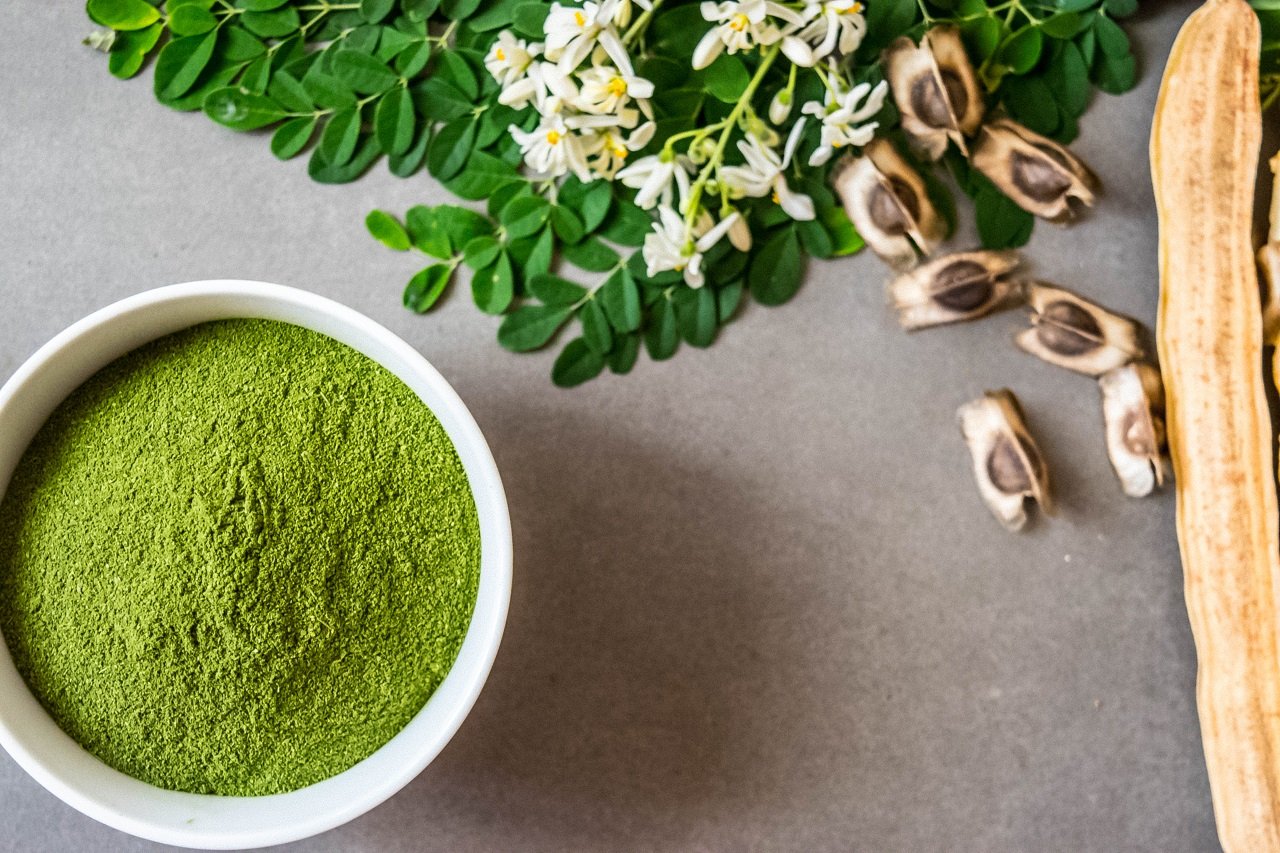
Moringa powder has become one of the most talked-about natural supplements. It comes from a tree with a long history of use.This nutrient-rich powder is prized for its vitamins, minerals, and plant compounds. Many people add it to their diet for its health support.
This guide covers what moringa powder is, its key nutrients, and its possible benefits. You will also learn about safety, dosage, and how to use it.By the end, you will know if moringa powder fits your own wellness routine.
What Is Moringa Powder?
Moringa powder comes from the leaves of the moringa tree. This tree grows naturally near the Himalayan Mountains in northern India.Nearly every part of the moringa tree can be eaten. It has been used as both food and traditional medicine for thousands of years.
A Brief History of Moringa Use
Ancient Egyptians, Greeks, and Romans all grew and used moringa trees. Its long history spans many cultures and healing traditions.Today, moringa remains a key food source in many developing areas. It gives nutrients that are often missing from diets there.
How Moringa Powder Is Made
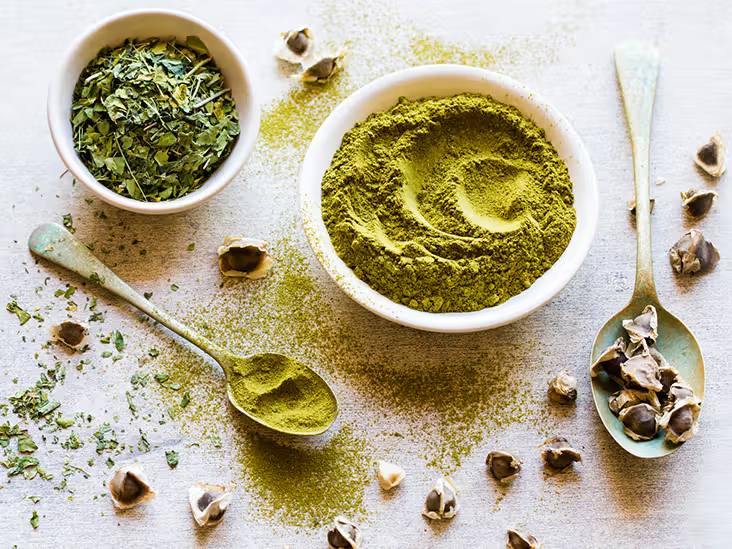
Moringa leaves are dried and ground into a fine powder. This lets the powder stay fresh for many months with no fridge needed.This makes moringa powder easy to store and use often. Its long shelf life adds to how useful it is as a daily supplement.
Key Nutrients Found in Moringa Powder
Moringa powder is prized for its rich nutrient mix. It holds a wide range of vitamins, minerals, and plant compounds.
| Nutrient | Role in the Body |
| Vitamin A | Supports vision, immune function, and fetal growth |
| Vitamin C | Protects against pollution and toxins |
| Vitamin E | Acts as a strong antioxidant |
| Calcium | Supports bone strength and enzyme function |
| Iron | Supports healthy blood and oxygen flow |
| Potassium | Supports muscle and nerve function |
This mix of nutrients makes moringa powder stand out. Few single plants offer this wide a range of nutrients.
Potential Health Benefits of Moringa Powder
Research into moringa powder keeps growing. Many of its possible benefits come from its rich mix of antioxidants, proteins, and plant compounds.
Antioxidant Properties
Antioxidants help protect your cells from harm caused by free radicals. These harmful bits form through digestion, smoking, and exposure to radiation.
Plant-based antioxidants, like those in moringa powder, are often seen as especially useful. They support your body’s own defense systems.
Anti-Inflammatory Effects
Ongoing inflammation is linked to many health issues. Moringa powder holds compounds studied for their anti-inflammatory potential.Some research has looked at moringa’s role in supporting women with benign breast conditions. Anti-inflammatory support may add extra help in these cases, though more study is still needed.
Supporting Healthy Blood Sugar Levels
Blood sugar care is a big health focus for many people. Some human studies show moringa powder may help support healthier blood sugar in people with diabetes.
This possible benefit has drawn a lot of research interest. Still, moringa should never take the place of prescribed diabetes care without a doctor’s okay.
Rich Source of Bioactive Compounds
Moringa powder holds high levels of active compounds, like flavonoids and alkaloids. These compounds are being studied for how they help manage long-term health issues.
Areas of ongoing study include blood pressure, insulin response, and general inflammation. These early results look promising but are not a swap for medical care.
Tissue Protection and Pain Support
Moringa powder has been studied for how it may support tissue health in the liver, kidneys, heart, and lungs. Some research also looks at its role in easing general pain.
These effects link to moringa’s rich mix of proteins, minerals, amino acids, and antioxidants. Ongoing research keeps exploring these protective traits.
Antiseptic and Antimicrobial Potential
Moringa powder has shown antiseptic traits in some studies. It has been tested for how well it works against various bacteria and fungi.
This includes some study into bacteria linked to gastric ulcers. These traits reflect moringa’s long, traditional use in wound and infection care.
Traditional and Emerging Uses of Moringa
Beyond modern research, moringa has a long past of traditional use. Many cultures have leaned on it for a wide range of health needs.
Traditional Uses Across Cultures
- Support during fevers and infections
- General immune support
- Traditional care for stomach discomfort
- Support for skin health and wound care
Areas of Ongoing Scientific Research
- Blood pressure support
- Blood sugar management
- Cancer-related research, including some tumor studies
- Liver and kidney tissue protection
While early research shows promise here, moringa is not a proven cure for serious health conditions. Always see a doctor for the diagnosis and care of any health concern.
Is Moringa Powder Safe?
Knowing about safety helps you use moringa powder the right way. Current research points to a strong overall safety record.
What Research Says About Safety
Studies on moringa leaf extracts have not shown major harm in human research. This backs up its long history of use as both food and medicine.
Flavonoids, one of moringa’s key compounds, haven’t been linked to bad side effects, even at higher plant-based amounts. This is partly because the body clears these compounds fast.
Parts of the Moringa Tree Used Traditionally
- Leaves, often dried and ground into powder
- Seed pods, often used as food
- Bark, roots, and sap, used in various traditional forms
- Flowers, sometimes used in traditional remedies
Leaves and seed pods remain the most common and well-studied parts used today. These forms are widely sold as powder and supplements.
Recommended Dosage of Moringa Powder
Using the right amount matters for safe, real results. General guidelines can help you start out the right way.
General Dosage Guidelines
| Form | Suggested Daily Amount |
| Moringa leaves | Up to 70 grams |
| Moringa powder | Up to 11 teaspoons |
These amounts are general upper limits, not a set daily goal. Many people use smaller amounts, mostly when just starting out.
How to Start Using Moringa Powder
- Start with a small amount, like one teaspoon a day
- Slowly raise the amount based on how your body feels
- Mix it into smoothies, water, or food for easy use
- Watch for any digestive changes as you start
Starting slow lets your body adjust with ease. This also helps you notice how the supplement affects you in person.
How to Use Moringa Powder Daily
Moringa powder is easy to fit into daily meals. Its mild, earthy taste blends well with many foods and drinks.
Popular Ways to Use Moringa Powder
- Blended into smoothies with fruit and yogurt
- Stirred into water or juice
- Mixed into soups or sauces
- Sprinkled over salads or cooked vegetables
- Added to homemade energy balls or baked goods
Tips for Better Absorption
- Pair moringa powder with a source of healthy fat
- Take it at the same time each day for consistency
- Store it in a cool, dry spot away from sunlight
- Choose a high-quality, well-sourced powder when you can
Steady daily use tends to give the most noticeable results. Pairing it well with meals can also help your body absorb its nutrients better.
Who Should Be Cautious With Moringa Powder?
While it’s mostly seen as safe, some groups should take extra care. Checking with a doctor first helps keep us safe.
Groups Who Should Consult a Doctor First
- Pregnant or breastfeeding people
- People on blood sugar or blood pressure medicine
- Those with liver or kidney conditions
- Anyone getting ready for surgery
- People on blood-thinning medicine
Moringa may react with certain medicines, mainly those for blood sugar or blood pressure. Getting a doctor’s advice helps avoid unwanted mix-ups.
Moringa Powder vs. Other Superfood Powders
Moringa often gets compared to other popular nutrient-rich powders. Knowing the differences can help you pick the right one for your needs.
| Superfood Powder | Standout Nutrient | Common Use |
| Moringa Powder | Vitamin A, C, E, and iron | General nutrient support |
| Spirulina | Protein and B vitamins | Energy and protein support |
| Matcha | Antioxidants and caffeine | Energy and focus |
| Wheatgrass | Chlorophyll and enzymes | Detox-focused routines |
Each superfood powder brings its own nutrient mix. Moringa stands out for its wide vitamin and mineral range plus antioxidant support.
Common Myths About Moringa Powder
A few wrong ideas surround this popular supplement. Clearing these up helps set fair, true expectations.
Myth: Moringa Powder Cures Serious Diseases
While research shows promise, moringa is not a proven cure for cancer, diabetes, or other serious conditions. It should support, not replace, medical care.
Myth: More Moringa Powder Means Better Results
Taking more than the suggested amount doesn’t always give better results. Staying within general dosage limits supports safer, better use.
Myth: Moringa Powder Works Immediately
Like most natural supplements, moringa’s benefits tend to build slowly with steady use. Patience matters more than hoping for quick results.
Myth: All Moringa Powders Are the Same Quality
Sourcing and how it’s made can shift a lot between brands. Picking a trusted, well-tested product matters for both safety and results.
Choosing a High-Quality Moringa Powder
Not all moringa powders offer the same quality or purity. A few key points can guide a smarter buy.
What to Look for When Buying Moringa Powder
- Organic certification when you can find it
- Clear info from the maker on where it’s sourced
- Third-party testing for purity and contaminants
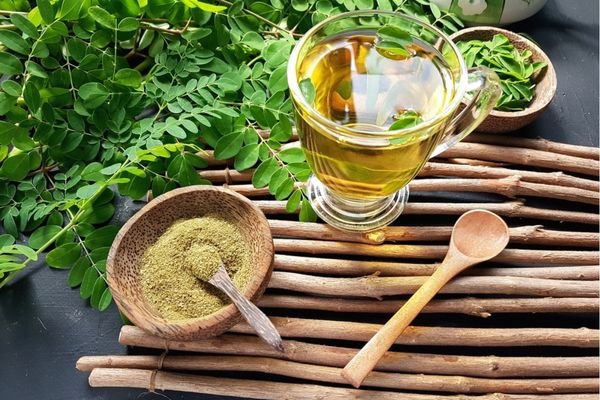
- A bright green color, a sign of freshness
- Little to no added extras
Signs of Lower-Quality Moringa Powder
- A dull, brownish color
- Unclear or missing sourcing info
- Price that seems far too low for the market
- A strong, fake smell or taste
Taking time to pick a good product supports both safety and results. A well-sourced powder gives you the best shot at its full benefits.
Final Thoughts on Moringa Powder
Moringa powder gives a nutrient-rich, natural boost to a healthy diet. Its long history of traditional use is now backed by growing science.
From antioxidant support to possible blood sugar benefits, moringa shows real promise across several health areas. Still, it works best next to, not instead of, medical care.
Starting with a small daily amount and picking a quality product helps you use moringa powder safely and well. As always, check with your doctor before adding any new supplement to your routine.
Frequently asked question
What Are the Main Health Benefits of Moringa Powder?
Moringa powder offers antioxidant support, anti-inflammatory potential, and possible blood sugar benefits. It also gives a rich source of vitamins A, C, and E.
How Much Moringa Powder Should I Take Daily?
General guidelines suggest up to 11 teaspoons a day, though many people start with much less. Always check with your doctor for advice made for you.
Is Moringa Powder Safe for Daily Use?
Yes, research suggests moringa powder is mostly safe for regular use. Starting with a small amount helps you track how your body responds.
Can Moringa Powder Help With Diabetes?
Some studies show moringa may help support healthier blood sugar levels. It should never replace prescribed diabetes medicine without a doctor’s guidance.
Does Moringa Powder Interact With Medications?
Yes, moringa may react with blood sugar or blood pressure medicine. Check with your doctor before use if you take these often.
How Should I Store Moringa Powder?
Store moringa powder in a cool, dry spot away from direct sunlight. Good storage helps keep its nutrients and shelf life intact.
Can Pregnant Women Take Moringa Powder?
Pregnant or breastfeeding people should check with a doctor before using moringa powder. Getting this advice helps keep use safe during this time.
What Is the Best Way to Take Moringa Powder?
Mixing it into smoothies, water, or meals gives an easy, flexible way to use it daily. Staying consistent matters more than the exact method you pick.