
 By Rbia Eman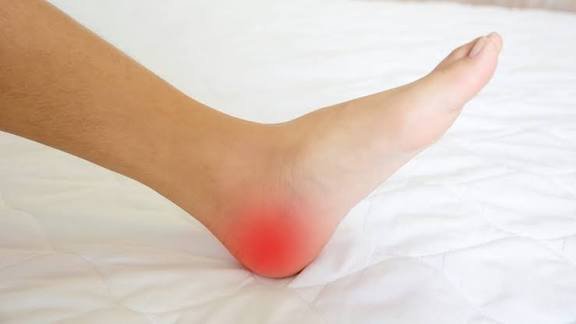
Pain in the back of your heel can stop you in your tracks. It can turn simple walking into a painful chore.This guide explains what causes back heel pain, how doctors diagnose it, and what treatments actually work. You will also learn simple steps to prevent it from coming back.Let’s break down everything you need to know about heel pain relief.
What Is Back Heel Pain?
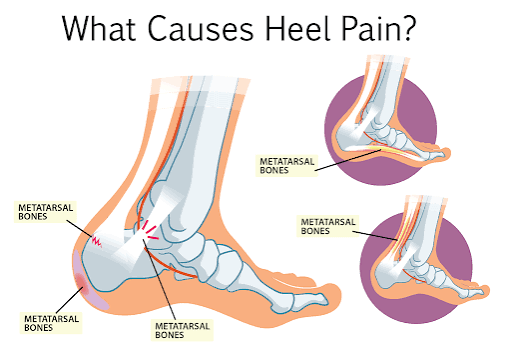
Back heel pain refers to discomfort at the rear of your foot, near the heel bone. This area is called the calcaneus.Several structures sit in this small space. Bones, tendons, bursae, and nerves all pass through the back of your heel. Any one of them can cause pain when irritated.Understanding the exact source of your pain helps guide the right treatment. Let’s look at each possible cause below.
Quick Overview: Common Causes of Back Heel Pain
| Cause | Type of Pain | Common Trigger |
|---|---|---|
| Retrocalcaneal bursitis | Aching, swelling | Overuse, tight shoes |
| Achilles tendonitis | Sharp or burning | Running, sudden activity increase |
| Calcaneus bone bruise | Deep, dull ache | Direct impact or fall |
| Nerve entrapment | Burning, tingling | Scar tissue, swelling |
| Referred low back pain | Radiating ache | Pinched spinal nerve |
Now let’s explore each cause in detail, along with symptoms and treatment options.
1. Heel Bursitis: A Leading Cause of Back Heel Pain
A bursa is a small fluid-filled sac in your body. It cushions bones so they don’t rub against tendons or skin.
Bursae sit on both sides of your Achilles tendon near the heel bone. When a bursa becomes irritated, it swells and causes pain. This condition is called heel bursitis.
Types of Heel Bursitis
There are two main types of heel bursitis:
- Retrocalcaneal bursitis: This affects the bursa between your heel bone and Achilles tendon. It is the more common type.
- Subcutaneous calcaneal bursitis: This affects the bursa located between your skin and the Achilles tendon.
Symptoms of Heel Bursitis
Watch for these common signs of heel bursitis:
- Pain and swelling in or behind the heel
- Tenderness when touched
- Increased pain while standing on your toes
- Warmth around the affected area
- Slight color change in the skin
What Causes Heel Bursitis?
Several factors can trigger heel bursitis, including:
- Standing, walking, or running for long periods
- Suddenly increasing workout intensity
- Skipping proper stretching before activity
- Wearing tight or poorly fitted shoes
- Bacterial infection in rare cases
People with certain conditions face higher risk too. These include rheumatoid arthritis, gout, and psoriatic arthritis. Haglund’s deformity, a bony bump on the heel, can also contribute.
2. Achilles Tendon Problems
The Achilles tendon connects your calf muscle to your heel bone. It helps you walk, run, and point your foot.
This tendon can develop small tears or general swelling over time. Doctors call this condition tendonitis. It often develops gradually from repeated stress rather than a single injury.
Pain typically occurs where the tendon meets the heel bone. Some people feel stiffness in the morning that improves with movement.
Treatment for Achilles Tendon Pain
Common treatment options include:
- Rest and activity modification for several weeks
- Immobilization using a walking boot
- Shockwave therapy for partial tears
- Platelet-rich plasma (PRP) injections
- Surgery in rare, severe cases
Recovery time varies depending on tear severity. Most mild cases improve within a few months of consistent care.
3. Calcaneus Bone Injuries
The calcaneus is the large bone at the back of your heel. It supports much of your body weight during walking.
While extremely dense, this bone can still bruise or fracture. Direct impact, such as landing hard from a jump, often causes this injury.
An X-ray can reveal a clear fracture. However, a bone bruise typically requires an MRI for accurate diagnosis.
Treatment Options for Calcaneus Injuries
Doctors may recommend the following depending on severity:
- Wearing a protective boot for several weeks
- Medications that support bone density
- Shockwave therapy for slow-healing bruises
- Bone marrow concentrate injections
- Surgery for severe fractures
Most bone bruises heal well with proper rest and protection.
4. Nerve Entrapment in the Heel
Sometimes back heel pain feels like burning or tingling rather than aching. This pattern often points to nerve involvement.
The posterior tibial nerve runs along the inside of your ankle. A small branch travels to the back of your heel. This nerve can become trapped under tissue in an area called the tarsal tunnel.
Swelling or old scar tissue can compress this nerve. The result is pain, tingling, or even numbness near the heel.
How Nerve Entrapment Is Treated
Treatment usually avoids surgery whenever possible. Options include:
- Myofascial release through physical therapy
- Strengthening exercises for ankle muscles
- Trigger point dry needling
- Ultrasound-guided nerve hydrodissection
- Surgical release only if other methods fail
Nerve-related heel pain often improves gradually with targeted therapy.
5. Referred Pain From the Lower Back
Not all heel pain starts in the foot. Nerves from your lower back can send pain signals all the way down to your heel.
The S1 nerve root is a common source of this referred pain. When irritated, it can cause discomfort in the back of the heel, even without noticeable back pain.
Certain ligaments in the lower back and pelvis can also refer pain to this area. This connection is often missed during a quick foot exam alone.
Treatment for Referred Heel Pain
Since the source is in the spine, treatment focuses there. Common approaches include:
- Physical therapy for the lower back
- Chiropractic care and spinal alignment
- Guided epidural injections for nerve irritation
- Prolotherapy for ligament-related pain
- Surgery only in rare, persistent cases
A thorough exam of both the heel and lower back helps identify the true source of pain.
How Doctors Diagnose Back Heel Pain
Getting an accurate diagnosis requires more than a quick look at your foot. Your provider will likely ask several questions first.
Common questions include:
- How much time do you spend standing?
- What physical activities do you regularly do?
- What type of footwear do you usually wear?
- Have you experienced this pain before?
Physical Examination Steps
During the exam, your provider will typically:
- Check for visible swelling
- Identify tender or painful spots
- Test your foot’s range of motion
- Ask you to stand on your toes
Imaging Tests Used for Diagnosis
Imaging helps confirm the exact cause of your pain. Common tests include:
| Test | What It Shows |
|---|---|
| X-ray | Bone structure and fractures |
| MRI | Soft tissue, tendons, bone bruises |
| Ultrasound | Bursae, tendons, and ligaments |
Combining a physical exam with imaging gives the clearest picture of your condition.
Treatment Options for Back Heel Pain
Treatment depends heavily on the exact cause of your pain. Many mild cases respond well to home care first.
At-Home Treatment Steps
Try these simple steps to ease mild heel pain:
- Rest: Avoid activities that worsen your pain, like running or jumping.
- Ice: Apply an ice pack for up to 20 minutes, three to four times daily.
- Proper footwear: Choose shoes with a soft, cushioned heel area.
- Over-the-counter medication: NSAIDs like ibuprofen may reduce pain and swelling.
Medical Treatment Options
If home care isn’t enough, your provider may suggest:
- Custom orthotic inserts or heel wedges
- Structured physical therapy programs
- Antibiotics if an infection is present
- Steroid or PRP injections
- Surgery, though this is rarely necessary
Most people notice real improvement within two to three weeks of consistent care.
How to Prevent Back Heel Pain
Prevention often comes down to a few consistent habits. Small changes can make a big difference over time.
Follow these tips to lower your risk:
- Stretch and warm up before any exercise
- Choose supportive, properly fitted footwear
- Increase workout intensity gradually, not suddenly
- Walk or run on softer surfaces when possible
- Address foot pain early instead of pushing through it
Consistent prevention habits protect both your heel and your overall mobility.
When Should You See a Doctor?
Most mild heel pain improves with rest and home care. However, some signs call for professional evaluation.
Reach out to a healthcare provider if you notice:
- Pain that lasts longer than two to three weeks
- Severe swelling or noticeable redness
- Fever alongside heel pain or swelling
- Numbness or tingling that doesn’t go away
- Pain that worsens despite rest
Early diagnosis often leads to faster, simpler treatment.
Final Thoughts on Managing Back Heel Pain
Back heel pain can stem from many different sources. Bones, tendons, bursae, and even your lower back can all play a role.
Identifying the exact cause makes treatment far more effective. Simple home care resolves many mild cases within a few weeks.
If your pain persists or worsens, don’t ignore it. A proper diagnosis from a healthcare provider ensures you get the right treatment for lasting relief.
Frequently Asked Questions About Back Heel Pain
What is the most common cause of back heel pain?
Heel bursitis and Achilles tendon issues are among the most common causes. Overuse and poor footwear often play a role.
Can back problems really cause heel pain?
Yes, irritated nerves in the lower back can send pain signals to the heel. This is known as referred pain.
How long does back heel pain usually last?
Mild cases often improve within two to three weeks. More serious injuries may take several months to heal fully.
Is heel pain a sign of a serious condition?
Most heel pain resolves with simple home care. Persistent or severe symptoms, however, deserve medical attention.
Can I prevent back heel pain from returning?
Yes, proper footwear, gradual activity increases, and regular stretching significantly lower your risk of recurring pain.