
 By Rbia Eman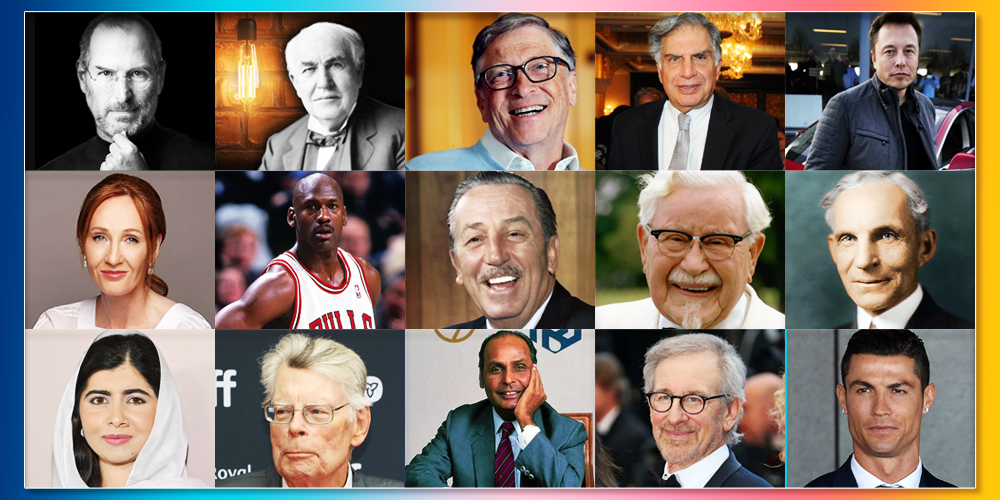
What does it actually take to turn an idea into reality? Is success purely a matter of talent, or is there a repeatable pattern behind the world’s biggest achievements?
Look closely at any great success story, and you’ll find the same three ingredients: commitment, determination, and a willingness to fail and get back up again. We usually only see the finished product, the celebrated entrepreneur, the tech visionary, the sports icon, the social activist and rarely the price they paid to get there.
Behind almost every one of these names is a story of dropped-out college plans, public failure, bankruptcy, rejection, or being knocked down more times than most people could stomach. What separates them isn’t the absence of setbacks, it’s the refusal to let those setbacks be the end of the story.
Here are 15 stories of ordinary people who became extraordinary, and what their journeys can teach us about turning obstacles into opportunity.
1. Steve Jobs
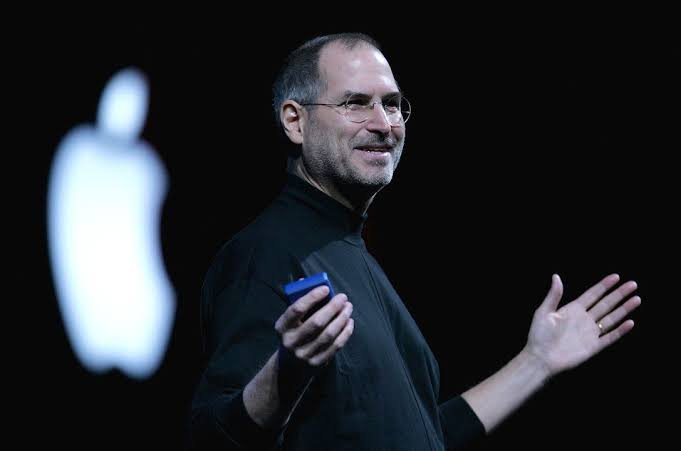
Steve Jobs needs no introduction as the man behind Apple but his path there wasn’t a straight line. He dropped out of college after a single semester, took a job at Atari to save money, and eventually co-founded Apple in 1976 alongside engineer Steve Wozniak.
Despite repeated setbacks along the way, Jobs stayed relentlessly focused on his vision, eventually building Apple into one of the most valuable and influential technology companies in history. His impact on how the world uses technology remains almost unmatched.
2. Thomas Edison
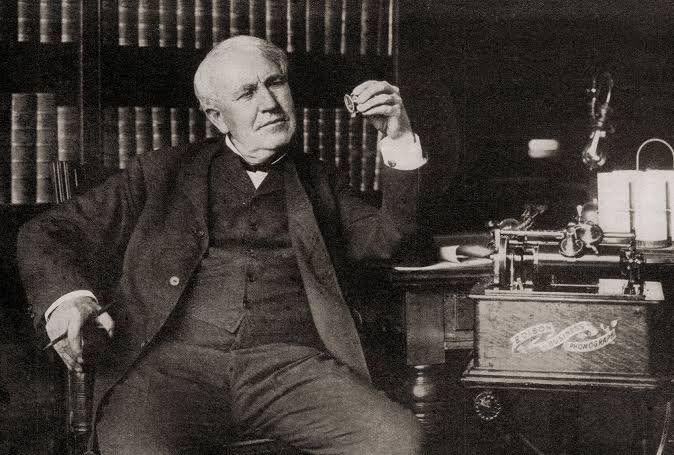
Long before he became known as the inventor of the light bulb, Thomas Edison was a 12 year old selling newspapers and fruit early signs of the resourcefulness that would define his career.
Working out of his New York laboratory, Edison endured thousands of failed experiments before finally perfecting the light bulb. His refusal to treat failure as final, famously reframing each unsuccessful attempt as a lesson is what made him one of history’s most prolific inventors.
3. Bill Gates
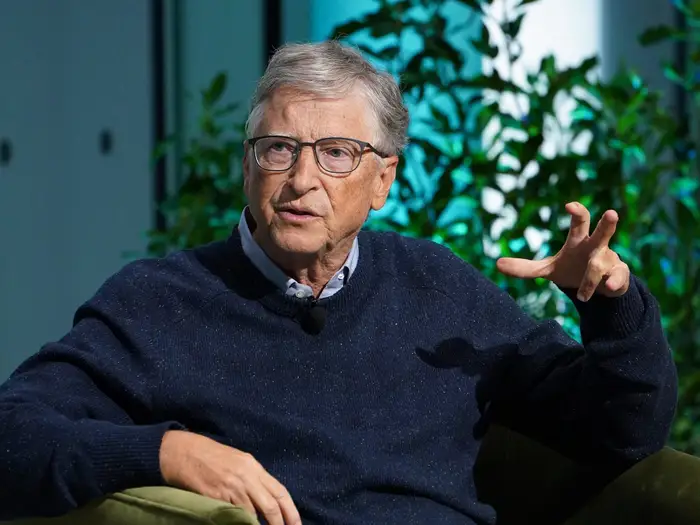
Bill Gates left to chase a bold idea personal computing for everyone. Together with childhood friend Paul Allen, he founded Microsoft in 1975, and the company’s release of MS DOS later evolving into Windows reshaped how the world uses computers.
The road wasn’t smooth. Microsoft faced serious legal battles and fierce competition in its early years, but Gates’ leadership and relentless work ethic carried the company through.
After stepping back from Microsoft, Gates turned his attention to philanthropy, co-founding the Bill & Melinda Gates Foundation now one of the largest private charitable foundations in the world, tackling global health, education, and poverty.
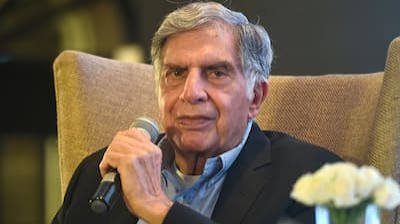
4. Ratan Tata
Unlike many industry leaders who inherit their position, Ratan Tata started at the bottom of Tata Steel’s operations, building his understanding of the business from the ground up.
As chairman of the Tata Group, he later led landmark international acquisitions, including Jaguar Land Rover and Corus Steel, putting Indian industry firmly on the global map.
He’s also remembered for the Tata Nano, an ambitious attempt to make car ownership accessible to everyday families. Beyond business, Tata is known for his humility and philanthropy proof that leadership is measured as much by character as by achievement.
5. Elon Musk
Often compared to a real-life Tony Stark, Elon Musk’s path to success began far from glamorous. Growing up in South Africa, he faced a difficult childhood and relocated to the U.S. in search of better opportunities.
After early ventures Zip2 and PayPal built his initial wealth, Musk went on to found Tesla and SpaceX companies that transformed electric vehicles and private spaceflight, respectively.
SpaceX became the first private company to send a spacecraft to the International Space Station. Despite public criticism and repeated failures along the way, Musk’s willingness to pursue ambitious, unconventional ideas continues to inspire risk-takers worldwide.

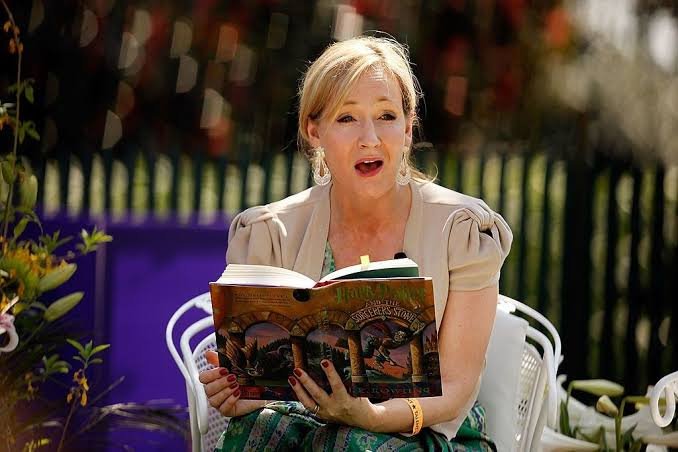
6. J.K. Rowling
Before Harry Potter became a global phenomenon, J.K. Rowling faced a difficult period in her personal life, including the end of her marriage. She completed the first Harry Potter manuscript during this time only to have it rejected by twelve different publishers.
Rowling didn’t quit. Her persistence eventually paid off, and the Harry Potter series went on to captivate millions of readers around the world, turning her into one of the best selling authors in history.
7. Michael Jordan
Michael Jordan was famously cut from his high school basketball team due to his height. Rather than walk away from the sport, he used the rejection as motivation, spending countless hours in the gym perfecting his game.
That relentless practice paid off. Jordan went on to win six NBA championships with the Chicago Bulls and is widely regarded as one of the greatest basketball players of all time. His story remains a touchstone for athletes who’ve been told they don’t measure up.

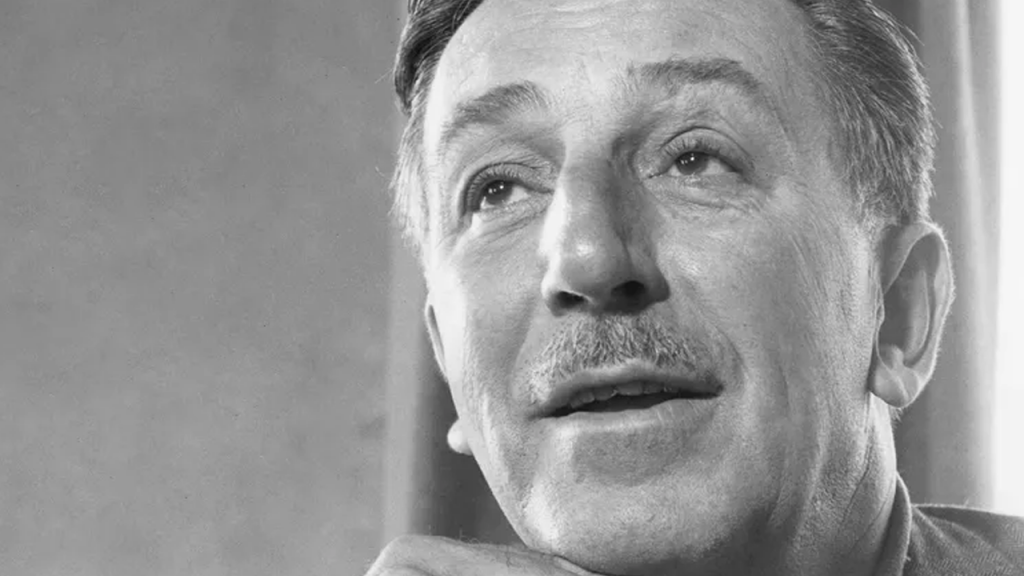
8. Walt Disney
Walt Disney showed artistic talent from a young age and launched his first cartoon company at just 19. By 22, that company had gone bankrupt.
He didn’t stop there. Disney went on to co-found The Walt Disney Company, creating beloved characters like Mickey Mouse, Donald Duck, and Goofy. In 1955, he opened Disneyland, pioneering the modern theme park. Today, the company he built spans film, television, and entertainment worldwide, a legacy built on turning setbacks into fresh starts.
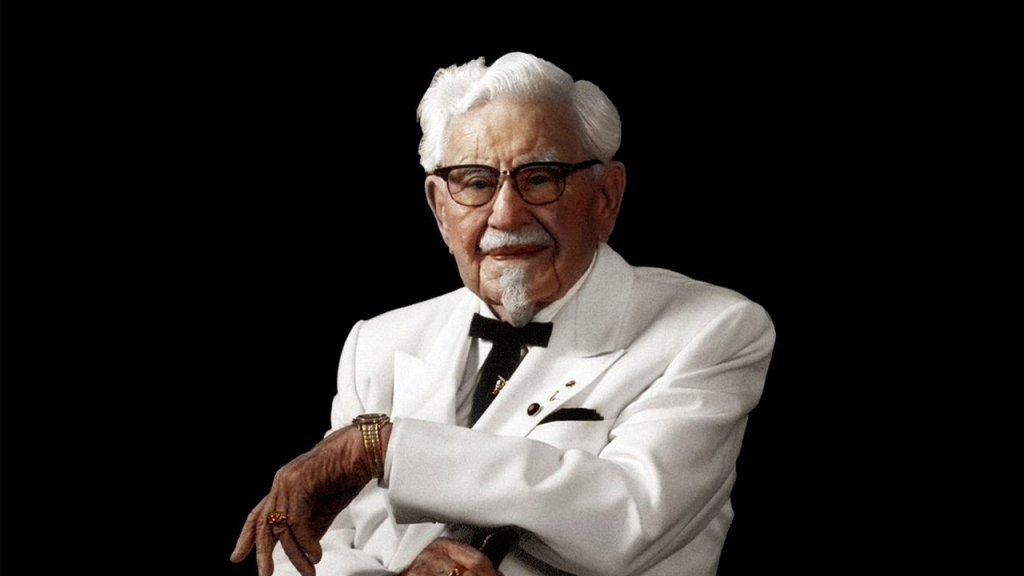
9. Colonel Sanders
Before KFC became a household name, Colonel Sanders faced a long string of failures. He dropped out of school and started several businesses that didn’t survive.
Eventually, he found his footing in the food industry, perfecting a secret fried chicken recipe and building it into the KFC brand. He later sold the company for $2 million, a remarkable turnaround for someone who had failed so many times before succeeding.
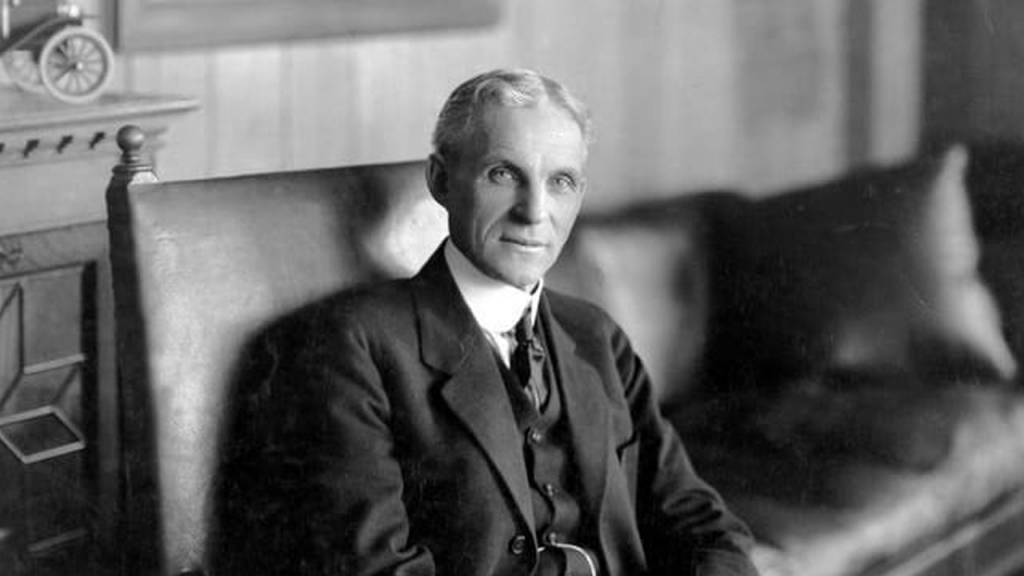
10. Henry Ford
Henry Ford’s first company shut down after struggling to secure lasting financial backing. But the setback didn’t derail his ambition to build automobiles.
He founded the Ford Motor Company in 1903, and by 1913 had introduced the moving assembly line, an innovation that dramatically lowered production costs and made cars affordable for average families. Ford’s approach to manufacturing permanently reshaped the automotive and industrial sectors.
11. Malala Yousafzai
Malala Yousafzai grew up in Pakistan’s Swat Valley advocating for girls’ right to education. When the Taliban took control of her region and shut down schools for girls, she began anonymously blogging for the BBC about her experiences.
In 2012, she was shot by the Taliban because of her activism and survived. Rather than retreat, she became an even more prominent global voice for girls’ education, eventually becoming the youngest-ever Nobel Prize laureate. Through the Malala Fund, she continues advocating for every girl’s right to twelve years of free, quality education.

12. Stephen King
After the breakout success of his novel Carrie, Stephen King went on to become one of the most prolific and successful authors of his generation, known for his mastery of horror and suspense.
Works like The Shining, It, The Stand, and Misery have cemented his place in literary history. King’s characters often reflect resilience in the face of adversity, a theme that mirrors his own dedication to the craft over decades.

13. Dhirubhai Ambani
At just 16, Dhirubhai Ambani left home to work at a petrol pump in Yemen, driven by his family’s limited financial means. That early experience taught him resourcefulness and an eye for opportunity.
He later entered the textile trade, sharpening his business instincts before founding what would become Reliance Industries. Under his leadership, the company expanded into petrochemicals, refining, and telecommunications, growing into one of India’s most influential conglomerates and a major contributor to the national economy.

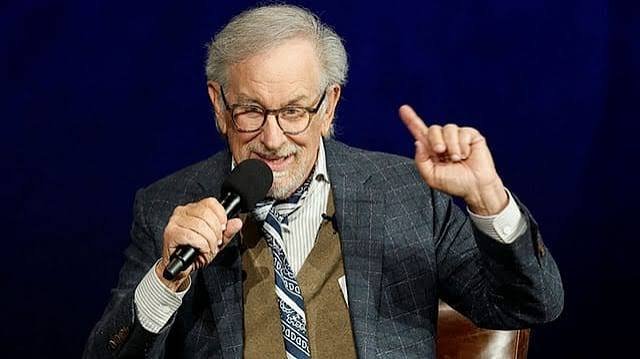
14. Steven Spielberg
Steven Spielberg was rejected from the University of Southern California’s School of Theater, Film and Television due to his academic record. That rejection didn’t stop him from becoming one of the most celebrated filmmakers of all time.
His body of work including E.T. The Extra-Terrestrial, Schindler’s List, Saving Private Ryan, and Jurassic Park have shaped modern cinema. In a fitting turn, Spielberg now sits on the board of the very school that once turned him away.
15. Cristiano Ronaldo
Born into a low-income family on the Portuguese island of Madeira, Cristiano Ronaldo’s path to football stardom was anything but easy. At just 12 years old, he left home to join Sporting CP’s youth academy in Lisbon.
He broke through at Manchester United, where critics often dismissed him as flashy or overconfident. He answered with relentless work ethic, eventually moving to Real Madrid and winning multiple Ballon d’Or awards along the way. Off the field, Ronaldo is known for his philanthropy, regularly supporting causes related to child hunger and disaster relief. His story is a reminder that talent may open doors, but greatness is earned through sustained effort.

The Common Thread
Every name on this list built something extraordinary out of setbacks that would have stopped most people from bankruptcy, rejection, public failure, even violence. What connects them isn’t luck or privilege; it’s the decision to keep going.
Whether your ambitions lie in business, sports, entertainment, science, or activism, these stories share the same lesson: success isn’t reserved for the naturally gifted. It belongs to those willing to fail, learn, and try again.
Frequently Asked Questions
1. What do all these success stories have in common?
Nearly every person on this list faced significant rejection, failure, or hardship before achieving success. The common thread isn’t talent alone, it’s persistence, adaptability, and the willingness to keep going after setbacks that would stop most people.
2. Is talent more important than hard work for achieving success?
Based on these stories, hard work and persistence generally matter more than raw talent. Michael Jordan was cut from his school team, and Cristiano Ronaldo faced early doubts about his ability both became legends through relentless practice, not natural gifts alone.
3. How should I handle failure or rejection in my own life?
Treat failure as feedback rather than a final verdict. J.K. Rowling was rejected by twelve publishers, and Walt Disney went bankrupt before building his company. Both used those experiences to refine their approach instead of giving up.
4. Do you need a formal education or a college degree to succeed?
Not necessarily. Several people on this list, including Steve Jobs, Bill Gates, and Elon Musk, dropped out of college to pursue their goals. That said, their success came from focused effort and calculated risk-taking, not from skipping education for its own sake.
5. What’s the best first step toward building your own success story?
Start with a clear goal and expect setbacks along the way. Most people in this list didn’t succeed on their first attempt they adjusted, learned from failure, and kept moving until their efforts paid off.
[…] later, the page was full. Some lines made her laugh. Some made her wince. Every one of them was a life lesson she had earned the slow […]