
 By Rbia Eman
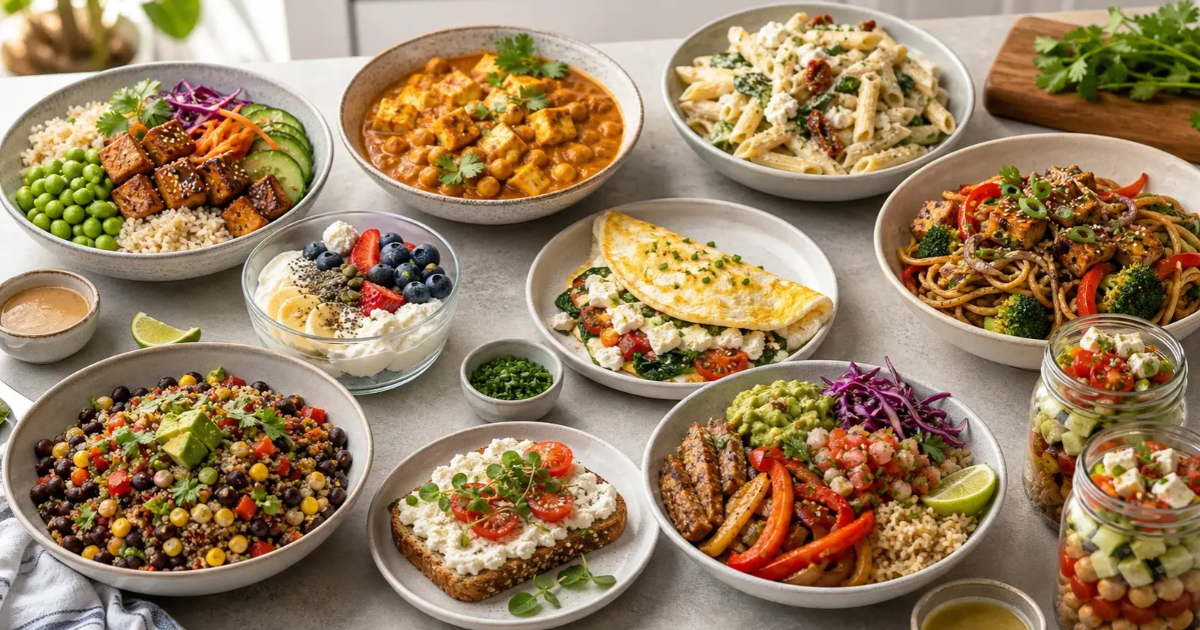
Eating a vegetarian diet does not mean missing out on protein. With the right ingredients, you can prepare nutritious meals that support your daily protein needs while keeping your food choices interesting.
High protein vegetarian meals can include lentils, chickpeas, tofu, beans, Greek yogurt, cottage cheese, and other protein rich foods. The key is to combine these ingredients in balanced meals that are easy to prepare and enjoy.
Whether you want to improve your eating habits, manage your weight, or find more meat-free meal options, this guide will help you plan simple and satisfying vegetarian meals.
How to Build a High Protein Vegetarian Meal Plan
A balanced vegetarian meal plan does not need complicated recipes. Start with a protein source, add vegetables, and include a suitable carbohydrate and healthy fat.
Here are some practical ways to build your meals:
1. Include protein in every meal
Choose foods such as lentils, chickpeas, tofu, Greek yogurt, paneer, or beans. Including protein throughout the day can make it easier to meet your daily needs.
2. Combine different food groups
Pair protein-rich foods with vegetables, whole grains, and healthy fats. For example, lentil curry with brown rice and vegetables makes a balanced meal.
3. Choose foods you enjoy
A meal plan is easier to follow when it includes familiar ingredients and recipes you like. You can prepare vegetarian versions of your favorite meals using beans, tofu, or lentils.
4. Consider your daily protein needs
Protein requirements vary depending on body weight, age, activity level, and health goals. For many healthy adults, the basic recommended dietary allowance is approximately 0.8 grams of protein per kilogram of body weight daily. Individual needs may be higher depending on circumstances.
Best High Protein Vegetarian Foods
Choosing protein-rich ingredients is the foundation of a good vegetarian meal plan. The following foods offer convenient ways to increase daily protein intake.
| Vegetarian food | Approximate protein |
| Lentils, cooked (1 cup) | 18 g |
| Edamame, cooked (1 cup) | 18.5 g |
| Chickpeas, cooked (1 cup) | 14.5 g |
| Greek yogurt, plain (170 g) | 15–18 g |
| Cottage cheese (½ cup) | 12–14 g |
| Firm tofu (100 g) | 10–17 g |
| Quinoa, cooked (1 cup) | 8 g |
| Kidney beans, cooked (1 cup) | 15 g |
Protein values are approximate. They can vary by brand, variety, preparation, and serving size.
Legumes: Lentils, chickpeas, kidney beans, and black beans are affordable sources of plant protein. They also provide fiber and other nutrients.
Soy foods: Tofu and edamame are versatile protein options. They work well in salads, stir-fries, curries, and rice bowls.
Dairy products: Greek yogurt, cottage cheese, and milk provide protein for people who include dairy in their vegetarian diet.
Whole grains: Quinoa and other whole grains contribute protein along with carbohydrates and fiber. They can complement legumes and other protein sources.
Easy High Protein Vegetarian Meal Plan
You do not need a complicated menu to enjoy high-protein vegetarian meals. These simple ideas can help you plan breakfast, lunch, dinner, and snacks.
Breakfast
Start your morning with a meal that combines protein and fiber.
- Greek yogurt bowl: Mix plain Greek yogurt with oats, nuts, and fresh berries.
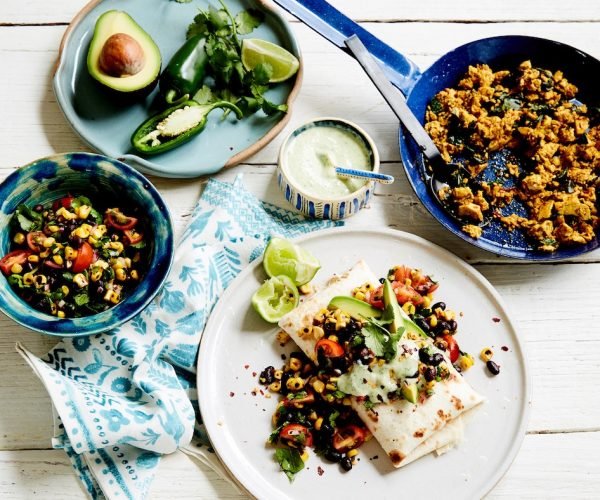
- Tofu scramble: Cook crumbled tofu with tomatoes, spinach, onions, and spices.
- Overnight oats: Combine oats, milk or soy milk, chia seeds, and Greek yogurt. Refrigerate overnight.
Lunch
Choose a filling meal that is easy to prepare and carry.
- Chickpea salad: Combine chickpeas, cucumber, tomatoes, onions, and lemon dressing.
- Lentil bowl: Serve cooked lentils with brown rice and roasted vegetables.
- Paneer wrap: Fill a whole-wheat wrap with grilled paneer, lettuce, and vegetables.
Dinner
A balanced dinner can include protein, vegetables, and whole grains.
- Tofu stir fry: Cook tofu with broccoli, bell peppers, carrots, and a light soy-based sauce.
- Lentil curry: Serve lentil curry with rice or whole-wheat roti.
- Bean chili: Prepare kidney beans with tomatoes, onions, peppers, and spices.
Snacks
Small snacks can also contribute to your daily protein intake.
- Roasted chickpeas
- Plain Greek yogurt
- Cottage cheese with fruit
- Boiled edamame
- A small handful of nuts with milk
Choose portions according to your appetite and nutritional needs.
Common Mistakes to Avoid
A vegetarian diet can provide enough protein, but poor meal planning may make it harder to meet your nutritional needs.
Relying on only one protein source: Eating only beans or dairy can limit food variety. Include different protein sources throughout the week.
Ignoring portion sizes: Small portions may provide less protein than expected. Check serving sizes when planning meals.
Skipping protein at breakfast: A breakfast made mostly of refined carbohydrates may contain little protein. Add Greek yogurt, tofu, milk, or another suitable source.
Choosing highly processed foods too often: Some vegetarian convenience foods are high in sodium or saturated fat. Check nutrition labels and balance them with whole foods.
Forgetting other nutrients: Protein is important, but a balanced vegetarian diet also needs iron, vitamin B12, calcium, zinc, and other essential nutrients. People avoiding animal products should pay particular attention to reliable vitamin B12 sources.
Making High Protein Vegetarian Eating Easier
The easiest way to maintain a balanced vegetarian diet is to keep useful ingredients available. Stock your kitchen with lentils, beans, chickpeas, oats, tofu, whole grains, nuts, and seeds.
You can also make simple changes to everyday recipes. Add chickpeas to salads, use lentils in soups, include tofu in stir-fries, or serve Greek yogurt with breakfast.
Remember that a healthy eating routine does not need to be perfect. Focus on variety, balanced portions, and meals that fit your lifestyle.
If you want to explore more protein-rich food options, read our guide to protein rich foods and vegetables. You can also learn more about daily protein intake and how much protein your body may need.
Frequently Asked Questions
1. What are the best high-protein vegetarian meals?
Lentil curry, chickpea bowls, tofu stir-fries, paneer wraps, and bean chili are useful options. Their protein content depends on the ingredients and serving sizes.
2. How can vegetarians get enough protein without meat?
Vegetarians can get protein from lentils, beans, chickpeas, tofu, tempeh, edamame, dairy products, nuts, and seeds. Eating a variety of these foods throughout the day can help meet protein needs.
3. Are high-protein vegetarian meals good for weight loss?
They can support a balanced weight-management plan. Protein can help with fullness, while fiber-rich foods such as vegetables, beans, and lentils add volume to meals. Overall calorie intake and portion sizes still matter.
4. Can I eat high protein vegetarian meals every day?
Yes. You can include protein-rich vegetarian foods daily as part of a varied and balanced diet. Rotate your ingredients to enjoy different nutrients and flavors.
5. Which vegetarian food has the most protein?
Among common vegetarian choices, cooked edamame and lentils provide around 18 grams of protein per cup. Protein amounts vary across foods and serving sizes.
Final Thoughts
Planning high protein vegetarian meals can be simple when you know which ingredients to choose. Lentils, chickpeas, tofu, beans, Greek yogurt, and other protein-rich foods offer plenty of ways to prepare satisfying meals without meat.
Start with a few easy recipes, prepare ingredients ahead of time, and include a variety of foods throughout your week. Small, consistent changes can help you build a vegetarian eating routine that is nutritious, practical, and enjoyable.
Explore more healthy eating and nutrition guides at Scoopiz to make informed food choices every day.