
 By Rbia Eman
PCOS is an acronym. It is a common hormonal disorder. It occurs in people with ovaries, and can be experienced throughout a person’s reproductive years.
PCOS is more than a period problem. It can impact Virility, skin, weight and long-term health. There are many myths about it. Sometimes people live with it for years before they are detected.
This article reviews the symptoms, causes and treatment of PCOS. It also provides some simple diet advice. You’ll go away knowing exactly what to do to treat this condition clearly and intelligently.
What is PCOS?
PCOS is a hormonal mess. It leads to a disparity of reproductive hormones. It also can cause other symptoms and make ovulation irregular.
The term is derived from tiny, fluid-filled sacs that occasionally develop on the ovaries. But not everybody with these cysts has PCOS.
PCOS is not just about the ovaries. It is associated with insulin levels. It also influences androgens (male hormones) and hormones that regulate your periods .
Quick Facts About PCOS
| Fact | Detail |
| Type of condition | Hormone and metabolic disorder |
| Who it affects | People with ovaries, of reproductive age |
| Are cysts required for diagnosis? | No |
| Is it curable? | It can be managed, but not cured |
| Main treatment focus | Balancing hormones and insulin |
Types of PCOS
PCOS can be divided into different subtypes, based on doctors. Knowing your subtype can help to guide treatment.
- Insulin-Proof PCOS: connected with increased insulin and weight gain.
- Inflammatory PCOS: Related to Persistent Low-level Swelling in the Body.
- Post-pill PCOS: Symptoms that are present for immediate post-birth control use period.
- Adult PCOS: Related to aberrant hormonal activity of the adrenal glands.
Identifying your subtype typically requires blood tests and an examination of your medical history.
Common Symptoms of PCOS
Signs vary among persons. That makes resolving the diagnosis sometimes a matter of wait-and-see.
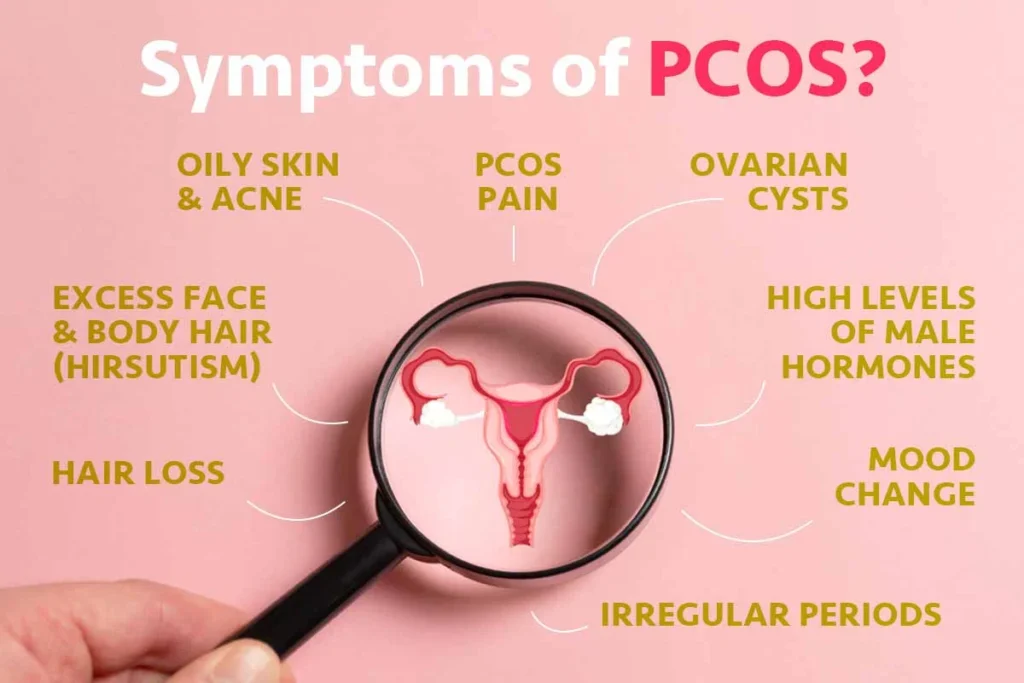
The common Sings are:
- Irregular periods or no periods
- High androgen levels, which can cause acne or oily skin
- More hair on the face or body
- Hair thinning or hair loss on the scalp
- Weight gain, especially around the belly
- Dark, thick patches of skin in body folds
- Difficulty getting pregnant because of infrequent ovulation
- Tiny cysts visible on an ultrasound
Not all of these symptoms are experienced by everyone. They may be mild or severe.
Symptom Severity Overview
| Symptom Type | Mild | Severe |
| Menstrual cycle | Slightly irregular | Missing for months |
| Skin | Occasional acne | Ongoing cystic acne |
| Hair growth | Mild facial hair | Heavy body and facial hair |
| Weight | Slow weight gain | Significant, hard-to-lose weight gain |
What Is The Cause of PCOS?
Why PCOS occurs is not yet known. It is believed to be caused by a mix of Inborn and environmental factors.
Insulin resistance: Insulin resistance is common among people with PCOS. This increases insulin in the blood. High insulin levels can lead to increased androgen production, which in turn meddles with ovulation.
Excess androgens: Elevated levels of male hormones can interfere with Oogenesis. This can cause disturbances in the menstrual cycle or cause you to miss them altogether.
Genetics: Moreover, PCOS is hereditary in many cases, although it isn’t caused by a single gene.
Causes of PCOS
Being aware of your risk factors may enable earlier detection of issues. PCOS runs in families or type 2 diabetes increases your risk. Additional risk factors are the following:
- Obesity, which may exacerbate the insulin resistance
- Leading a physically inactive life over a period of time
- Symptoms that Begin Burst of Symptoms soon after your first period
Signs and Symptoms That Permit Medical Attention
Some symptoms require urgent medical assessment.Don’t dismiss these:
- No menstruation for three months or more
- Rapid weight gain without an obvious cause
- Severe acne resistant to treatment
- Urgent new hair growth
- Difficulties conceiving after a year of trying
How Doctors Diagnose PCOS
There’s no one test that proves you have PCOS.Doctors employ the following in combination:
- Health history: Assesses your menstrual cycles and symptoms over several months.
- Physical exam: Looks for symptoms of elevated Testoid.
- Blood tests: Means hormone, insulin and thyroid levels.
- pubic
- ultrasound: Look at the Ovarium and the uterine lining.
The Rotterdam Criteria
If you have two out of the following three symptoms, the doctor is very likely to say you have PCOS:
| Feature | Description |
| Irregular ovulation | Skipped or infrequent periods |
| High androgen levels | Found through blood tests or physical signs |
| Polycystic ovaries | Seen on an ultrasound |
Options for treating polycystic ovary syndrome
PCOS cannot be cured. But there are several treatments that can help control the signs and reduce the risk of long-term health problems.
Medical treatments
- Hormonal birth control regulates periods and can decrease androgen symptoms
- Metformin: Increases insulin Tact
- Anti-androgen drugs: To treat excessive hair growth and acne
- Fertility treatment: A drug helps induce ovulation. lifestyle changes Modifying your diet and exercise habits to support hormone balance
Your treatment should be Bespoke to your goals, whether those are related to fertility, symptom control, or both.
Questions for your doctor
- What is the best treatment for my singing?
- Is this treatment going to Pry with any plans I have to have children?
- How long until I see results?
- What lifestyle modifications are compatible with this treatment?
PCOS Diet: What to Eat and What to Avoid
Diet is important in Managing insulin Fighting and hormone levels. Gradual, steady changes are better than drastic ones.
PCOS-Friendly Foods
| Food Group | Examples | Benefit |
| High-fiber foods | Vegetables, beans, whole grains | Helps control blood sugar |
| Lean protein | Poultry, fish, eggs | Supports fullness and muscle |
| Healthy fats | Avocado, nuts, olive oil | Supports hormone production |
| Anti-inflammatory foods | Berries, leafy greens, fatty fish | Lowers inflammation |
Foods To Limit
- Refined Glucide such as white bread and cakes
- Sugar sweetened beverages and deserts
- Deep fried and processed food stuffs
- Trans fat containing foods
Whole-food, low-metabolic diets tend to be more effective than highly limiting diets. Slow progress is more important than quick fixes.
Recipes for PCOS Ideas
- Breakfast: Greek yogurt with chia seeds and berries
- Lunch: Grilled chicken salad with olive oil dressing
- Dinner: Baked salmon with roasted vegetables
- Snack: A small handful of almonds or walnuts
Trial with new recipes to keep your meals from Understanding. When you eat fiber and protein at every meal, it can also help to keep you from having Severe blood sugar changes, which in turn can help support better hormone balance.
Exercise and PCOS
Exercise is one of the best ways to help manage your PCOS. It secure insulin Tact in the long run.
- Strength training: Increases muscle mass and insulin Tact
- Cardio: Is good for your heart and your weight
- Consistency: You’re better off doing regular light exercise than you are doing sporadic heavy exercise
- Stress-relief exercise: Yoga and walking are known to reduce cortisol
Diet and exercise have more effect together than either one does alone.
Long Term Health Risks Linked to PCOS
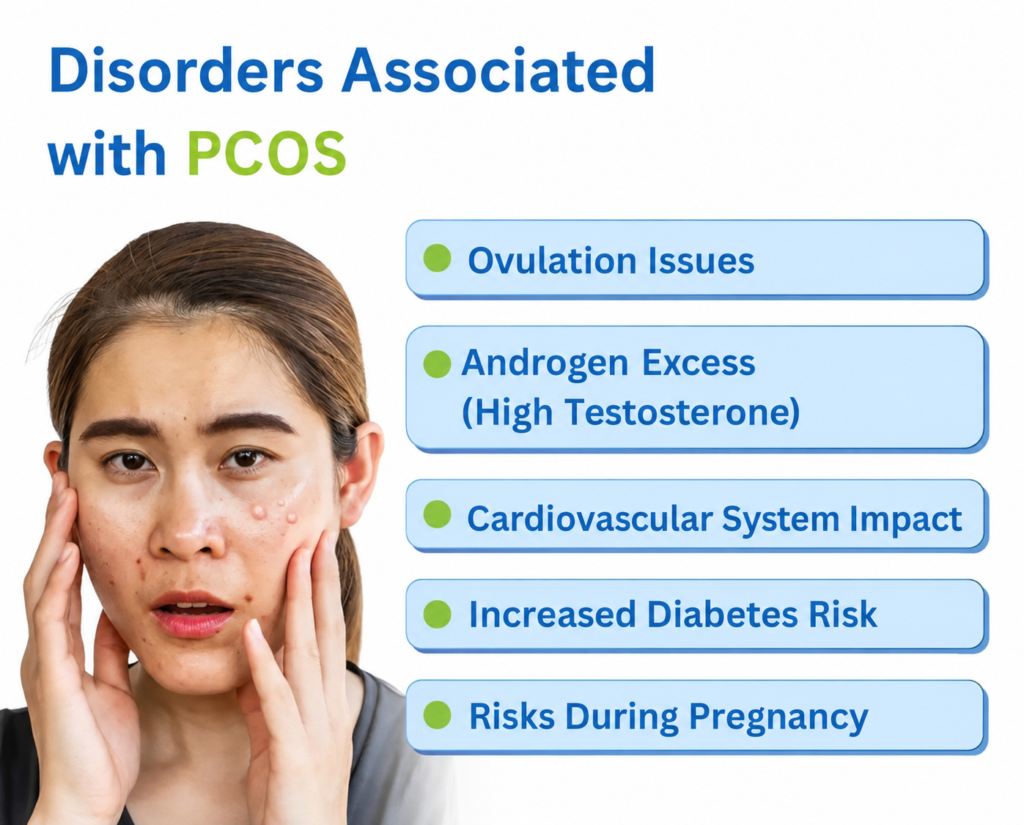
PCOS involves more than daily symptoms. It also carries some long-term health risks.
| Health Risk | Link to PCOS |
| Type 2 diabetes | Linked to ongoing insulin resistance |
| Heart disease | Linked to metabolic changes |
| Sleep apnea | More common with higher body weight |
| Endometrial issues | Linked to irregular shedding of the uterine lining |
| Anxiety and depression | Linked to hormone changes |
Daily Routine for Healthy Living with PCOS
Tiny daily habits add up and support your hormones over time:
- Track your cycle to catch patterns early
- Cook and freeze balanced meals rather than relying on Treated
- food
- Make time for Irregular movement, including brief daily walks
- Aim for regular, restful sleep.
- Reduce stress through rest, hobbies
- Continue regular hormone and metabolic checks
When to Contact Your Doctor
- No period for more than a few months
- Unexplained weight loss or gain
- Heavy acne or hair growth
- Difficulty conceiving after 12 months of trying
Questions to Ask Before Your Appointment
- Which tests can confirm or rule out PCOS?
- Which PCOS subtype might I have?
- What treatment fits my personal health goals?
- How often should I come back for follow-ups?
- Are there specific diet changes you’d recommend for me?
Supplements Linked to PCOS Support
Some supplements may support hormone balance alongside medical treatment. Always check with your doctor before starting any supplement.
| Supplement | Potential Benefit |
| Inositol | May improve insulin sensitivity and ovulation |
| Vitamin D | Supports hormone regulation and mood |
| Omega-3 fatty acids | May reduce inflammation |
| Magnesium | Supports insulin function and sleep |
| Zinc | May help reduce excess hair growth over time |
Supplements should support treatment, not replace it. Blood tests can confirm which ones you actually need.
Skin and Hair Care for PCOS
PCOS hormones can directly affect skin and hair. A tailored care routine can help reduce visible effects.
PCOS related acne
- Use non-comedogenic skincare daily
- Avoid picking or popping pimples
- Look for salicylic acid or benzoyl peroxide in products
- Ask a dermatologist about prescription options for stubborn acne
For excess hair growth
- Laser hair removal offers longer-lasting results
- Anti-androgen medication may slow new hair growth
- Waxing and threading are easy, temporary options
Thinning scalp hair
- Use gentle, sulfate-free shampoos made for thinning hair
- Ask your doctor about topical treatments like minoxidil
- Managing insulin resistance may help slow thinning
PCOS and Mental Health
PCOS-related hormone changes can affect mood and emotional health. Understanding this link can help you get the right support.
Common effects include:
- Increased anxiety from hormone changes
- Higher rates of depression linked to ongoing symptoms
- Body image concerns from weight or skin changes
- Emotional stress linked to fertility struggles
Talking to a therapist or counselor can help. Mental health care matters as much as physical symptom care.
PCOS vs. Other Hormonal Disorders
Some PCOS symptoms overlap with other conditions. Knowing the differences helps avoid confusion.
| Condition | Key Difference from PCOS |
| Thyroid disorders | Affect overall metabolism, not just reproductive hormones |
| Endometriosis | Causes pelvic pain, not usually androgen excess |
| Cushing’s syndrome | Linked to excess cortisol, not mainly insulin resistance |
| Premature ovarian insufficiency | Involves early loss of ovarian function |
Your doctor can test for these conditions to confirm an accurate diagnosis.
Building a Long Term PCOS Management Plan
- Get a confirmed diagnosis. Work with a doctor for proper testing.
- Choose the right treatment. Discuss medication, fertility goals, and lifestyle options.
- Adjust your diet gradually. Focus on fiber, lean protein, and healthy fats.
- Build a long-term exercise routine. Include strength training regularly.
- Track your symptoms. Monitor cycles, skin, and energy levels each month.
- Prioritize mental health. Seek counseling if mood changes affect daily life.
Building Your PCOS Care Team
Managing PCOS often works best with support from several specialists:
- Gynecologist: Manages menstrual and fertility health
- Endocrinologist: Treats hormone and insulin issues
- Registered dietitian: Helps build a sustainable eating plan
- Dermatologist: Treats acne, excess hair, and hair loss
- Mental health counselor: Supports emotional wellbeing
Sharing test results between providers avoids repeated tests and confusion.
PCOS Through Different Life Stages
| Life Stage | Common Focus |
| Teen years | Managing acne and irregular periods |
| Reproductive years | Fertility planning and cycle regulation |
| Pregnancy | Watching for gestational diabetes risk |
| Perimenopause | Balancing shifting hormone levels |
| Postmenopause | Managing long-term metabolic health |
Your care plan may shift with each life stage. Regular check-ins with your provider make these transitions easier.
Quick Recap
- No single test confirms PCOS; doctors use combined criteria.
- Insulin resistance plays a key role for many people.
- Diet and exercise are effective, accessible management tools.
- Long-term follow-up lowers the risk of diabetes and heart disease.
Small, steady changes often bring bigger results than quick fixes. Working closely with your doctor is the best path to managing PCOS well.
Final Thoughts
PCOS is a hormone disorder that affects more than the ovaries. It touches fertility, skin, metabolism, and overall health.
There is no single cure, but a combined approach often works well. Medication, diet, and exercise together can bring real symptom relief.
If you think you may have PCOS, talk to a doctor for proper diagnosis. Early action leads to better long-term management and quality of life.
Frequently Asked Questions
Is there a cure for PCOS?
No cure exists yet. Symptoms can usually be well managed with medication, diet, and lifestyle changes.
Can you get pregnant with PCOS?
Yes. Many people conceive naturally despite irregular ovulation. Others conceive with fertility treatment.
Does PCOS always cause weight gain?
No. Insulin resistance often leads to weight gain, but some people stay at a healthy weight and still have other symptoms.
Is PCOS just about ovarian cysts?
No. PCOS is a hormone disorder and can exist without cysts. Cysts alone don’t confirm a diagnosis.
Can diet alone manage PCOS?
Diet helps control insulin resistance and related symptoms. Many people combine it with medical treatment for the best results.
Does PCOS get worse with age?
Symptoms tend to change rather than worsen. Periods may become more regular closer to menopause, but metabolic risks can rise with age.
Can stress make PCOS symptoms worse?
Yes. Stress raises cortisol, which can worsen insulin resistance and hormone imbalance. Managing stress is an important part of care.
Does PCOS increase cancer risk?
PCOS itself is not a cancer. Some studies link it to a higher risk of endometrial issues due to irregular cycles, so regular checkups matter.
Can weight loss improve PCOS symptoms?
Yes, for many people. Losing just 5–10% of body weight can improve insulin sensitivity and lead to more regular periods over time.
Does PCOS matter if I’m not trying to get pregnant?
Yes. PCOS affects skin, weight, mental health, and long-term disease risk, regardless of pregnancy plans.
How often should someone with PCOS see a doctor?
Most people should have checkups every 6–12 months. More frequent visits may be needed when changing medication or trying to conceive.
Can teens be diagnosed with PCOS?
Yes, though diagnosis is more complex in teens since irregular cycles are common at that age. Doctors often monitor symptoms over time before confirming a diagnosis.