
 By Rbia Eman
Life is full of ups and downs. Life challenges are a normal part of life, but learning how to overcome life challenges can help you become more confident and resilient.
One day feels calm, and the next brings a sudden curveball.You are not alone in this feeling. Every single person faces their own set of challenges.
Learning how to overcome challenges helps you stay calm under pressure. It also builds real confidence over time.This guide shares ten proven ways to face life’s hardest moments. You will also learn a simple four-step method and key problem-solving skills.
Why Facing Overcome Life Challengesthe Right Way Matters
Everyone handles hard times differently. There is no single “correct” way to face a challenge.Still, a few proven strategies help most people cope better. These tools build resilience and reduce stress over time.Using the right mindset makes a huge difference long term.
1. Make a Plan
Planning ahead gives you a sense of control. It also reduces the fear that comes with the unknown.
How to Build a Simple Plan
- Look at patterns from past challenges you have faced
- Identify the outcome you want to achieve
- Break your goal into small, clear steps
- Prepare for likely obstacles in advance
Students facing time management issues can benefit from this approach too. Learning simple calendar habits often solves this problem quickly.A clear plan turns a vague fear into a manageable task. This alone can lower stress significantly.
2. Know You’re Not Alone
Every person faces low points in life. Some hide their struggles better than others.The truth remains the same for everyone. Someone else has likely faced a very similar challenge before.
Ways to Feel Less Alone
- Reach out to friends or family members
- Join a support group or community
- Share your feelings openly with trusted people
- Read stories from others who faced similar struggles
Talking openly about struggles often brings unexpected comfort. It also reminds you that hard times are a shared human experience.
3. Ask for Help
Asking for help is not a sign of weakness. It is often a sign of real strength and self-awareness.
Who Can You Ask for Help?
- A loved one or close friend
- A mentor or trusted colleague
- A therapist or counselor
- A stranger in a similar situation
Many people genuinely want to help others succeed. Reaching out simply gives them the chance to do so.
4. Feel Your Feelings
Masking emotions does not make them disappear. Ignored feelings often turn into trapped stress inside the body.
Healthy Ways to Process Emotions
- Practice quiet meditation for a few minutes daily
- Write your thoughts down in a journal
- Talk through your feelings with someone you trust
- Allow yourself to cry or express emotion without judgment
Processing your feelings often reveals a clearer view of the problem. This clarity can lead to new and creative solutions.
5. Accept Support
Asking for help is only half the process. You must also stay open to receiving that support.
Why Accepting Help Matters
People who offer support usually care about your wellbeing. Refusing help can leave you feeling more isolated during hard times.Being open to support does not mean losing independence. It simply means allowing others to walk beside you.

6. Help Others
The idea of “what you give is what you get” holds real truth. Helping others often brings personal benefits too.
Ways You Can Help Others
- Share advice from your own past struggles
- Listen without judgment when someone needs to talk
- Offer practical support during a hard moment
- Check in regularly with someone going through difficulty
Helping others frequently boosts your own mood and sense of purpose. It creates a positive cycle for everyone involved.
7. Think Big
Fear of failure often makes people think small. This fear can quietly block real progress and growth.
How to Start Thinking Bigger
- Set ambitious goals instead of playing it safe
- Take small, calculated risks regularly
- Imagine your ideal outcome clearly before starting
- Avoid letting self-doubt shape your decisions
Thinking big does not guarantee instant success. It simply opens the door to bigger possibilities than fear alone allows.
8. Build a Positive Mindset
Your thoughts strongly shape your daily reality. Training your mind toward positivity takes real time and consistent practice.
Steps to Build a Positive Mindset
- Practice mindfulness or meditation regularly
- Notice negative thoughts as they arise
- Let go of thoughts without judging yourself
- Replace negative self-talk with balanced thinking
Awareness is the first step toward lasting change. Once you notice negative patterns, you can interrupt them more easily.
9. Don’t Give Up
Giving up guarantees that a challenge stays unsolved. It also removes any chance to learn from the experience.
Ways to Stay Persistent
- Break big challenges into smaller, doable steps
- Celebrate small wins along the way
- Remind yourself why the goal matters
- Lean on your support system during tough moments
Persistence combined with planning and support creates real progress. Most challenges become manageable with steady, consistent effort.
10. Work Smart, Not Hard
There is often more than one way to solve a problem. Still, one approach usually works best for your specific situation.
How to Work Smarter
- Start by clearly defining your end goal
- Plan backward from that goal to today
- Research how others solved similar problems
- Focus your energy on high-impact actions only
Working smart saves both time and energy. It also reduces burnout during long or difficult challenges.
A 4 Step Method for ways to overcome life challenges
This simple method draws from ancient wisdom teachings. It offers a clear, four-part path through any hard situation.
Step 1: Accept and Let Go
Accept your current situation exactly as it is. This acceptance reduces stress, anxiety, and fear significantly.
Meditation is one of the most effective tools for practicing acceptance. Even a few minutes daily can bring noticeable calm.
Step 2: Observe and Decide
Step back from raw emotion when making a plan. Feeling your emotions still matters, but decisions need clear thinking.
Try to view the situation as an outside observer would. This distance often reveals better, more objective solutions.
Step 3: Face Fears and Act
Taking action is one of the biggest steps toward overcoming any challenge. Most challenges feel hard because of an underlying fear.
Identify exactly what you fear about the situation. Once named clearly, that fear becomes much easier to face.
Step 4: Practice Gratitude
Humans naturally prefer comfort and familiar routines. New or difficult situations often feel harder because they disrupt this comfort.
Practicing gratitude helps reframe how you see a challenge. It also increases overall happiness in your present moment.
Key Skills That Make Problem-Solving Easier
Certain skills make every challenge easier to face. Building these skills over time creates lasting resilience.
| Skill | What It Helps You Do |
| Critical thinking | Identify root causes and creative solutions |
| Effective communication | Share ideas clearly and collaborate well |
| Adaptability | Adjust plans when facing new obstacles |
| Resilience | Stay positive and persistent through setbacks |
| Decision-making | Choose the best action from available options |
| Time management | Prioritize tasks and meet deadlines |
| Creativity | Find unique, unconventional solutions |
| Collaboration | Work well with others toward shared goals |
Why Critical Thinking Matters
Critical thinking helps you analyze a problem logically. This skill allows you to consider all relevant details before deciding.
People with strong critical thinking skills solve problems faster. They also avoid common mistakes caused by rushed decisions.
Why Communication Matters
Clear communication ensures everyone understands the problem at hand. It also helps teams collaborate toward the same solution.
Miscommunication often makes simple problems feel far more complicated. Speaking clearly saves time and reduces confusion.
Why Adaptability Matters
Life rarely goes exactly according to plan. Adaptability allows you to adjust quickly when new obstacles appear.
People who adapt well tend to recover faster from setbacks. They see change as a normal part of problem-solving.
Why Resilience Matters
Resilience keeps you moving forward despite difficulty. It turns setbacks into lessons instead of permanent failures.
Building resilience takes practice, much like building physical strength. Each challenge faced makes the next one easier.
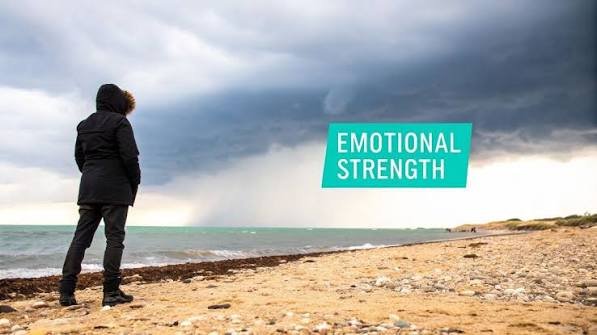
Building Long-Term Emotional Strength
Overcoming one challenge builds skills for facing the next one. Long-term emotional strength grows through repeated, consistent practice.
Daily Habits That Build Resilience
- Practice gratitude each morning or evening
- Reflect on past challenges you have overcome
- Set small, achievable daily goals
- Stay connected with supportive people regularly
- Get enough sleep to support emotional balance
Small daily habits create a strong foundation over time. This foundation makes future challenges feel far less overwhelming.
Common Mistakes People Make When Facing Challenges
Avoiding common mistakes can make the process of overcoming challenges much smoother.
Mistakes to Watch For
- Ignoring emotions instead of processing them
- Refusing help out of pride or fear
- Giving up too early during setbacks
- Overthinking instead of taking action
- Comparing your journey to someone else’s
Recognizing these patterns early helps you avoid unnecessary struggle. Awareness alone often prevents these common traps.
How Challenges Help You Grow
Challenges often feel unwanted at the moment. Looking back, most people recognize real growth after facing them.
Common Benefits of challanges
- Increased confidence in your own abilities
- Stronger relationships built through shared support
- Better problem-solving skills for future situations
- A clearer sense of personal values and priorities
Every challenge faced adds another tool to your personal toolkit. Over time, this toolkit makes life’s difficulties easier to handle.
Final Thoughts on Life’s Challenges
Learning to face challenges takes time, patience, and consistent practice. No one masters this skill overnight.
Difficult moments will always be part of life. Still, the right mindset and tools make them far easier to manage.
Make a plan, ask for support, and take consistent action. These simple steps can carry you through almost any challenge.
With practice and persistence, every challenge becomes a chance to grow stronger and more capable over time.
Frequently Asked Question
What Is the Best Way to Overcome a Difficult Challenge?
Making a clear plan and asking for support usually works best. Combining action with emotional awareness leads to the strongest results.
How Can I Stay Positive During Hard Times?
Practicing gratitude and mindfulness helps build a positive mindset over time. Small daily habits make a noticeable long-term difference.
Why Is Asking for Help Important?
Asking for help connects you to resources and support you cannot access alone. It often speeds up problem-solving significantly.
How Do I Stop Giving Up on Difficult Goals?
Breaking big goals into smaller steps makes persistence much easier. Celebrating small wins also keeps motivation strong along the way.
What Skills Help the Most With Problem-Solving?
Critical thinking, communication, and adaptability are some of the most valuable skills. Building these over time makes future challenges easier to handle.
Can Challenges Actually Help Me Grow?
Yes, most people report real personal growth after facing difficult challenges. Confidence and resilience often increase significantly afterward.
How Long Does It Take to Build Resilience?
Resilience builds gradually through repeated practice and consistent daily habits. Most people notice real improvement within a few months.
What Is the Buddha’s Four-Step Method for Challenges?
The method includes accepting the situation, observing calmly, facing fears through action, and practicing gratitude. Each step supports a clearer, calmer path forward.
[…] afraid is not a weakness by itself. Choosing to avoid a problem and to overcome life challenges , though, stops any chance of fixing […]
[…] push down their sadness or anger. This often backfires.Real positivity starts with being honest and overcoming challenges. Let yourself feel what you feel. Cry if you need to. Tell someone you trust about your fear.Once […]
[…] how to overcome life challenges can help you build resilience, develop a positive mindset, and handle difficult situations with […]
[…] most career problems follow the same patterns, which means they have the same fixes. Once you know how to overcome career challenges, you stop drifting and start […]
[…] your favorite quotes about overcoming challenges close, learn from the people who walked through fire before you, and take one more step today. That step […]