
 By Rbia Eman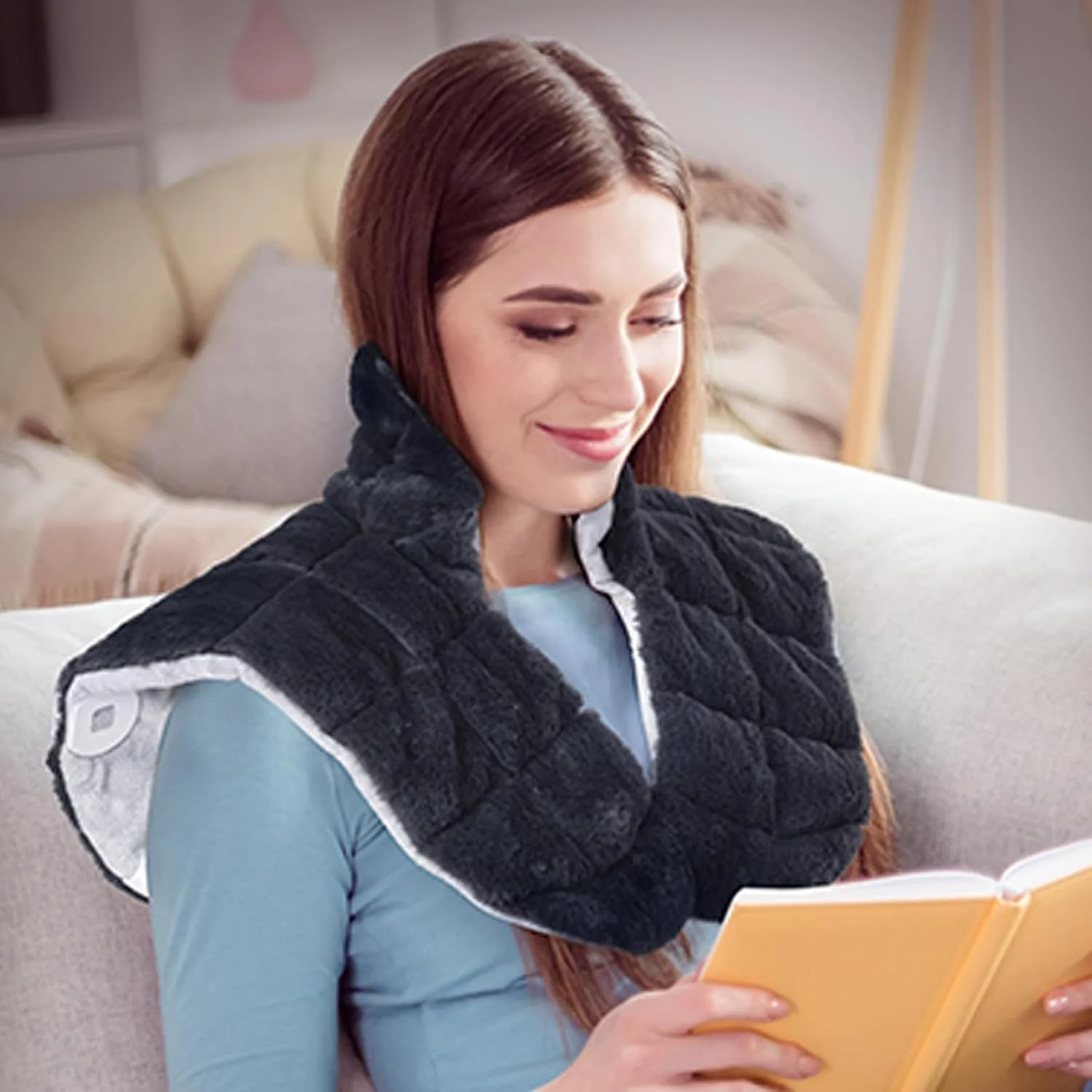
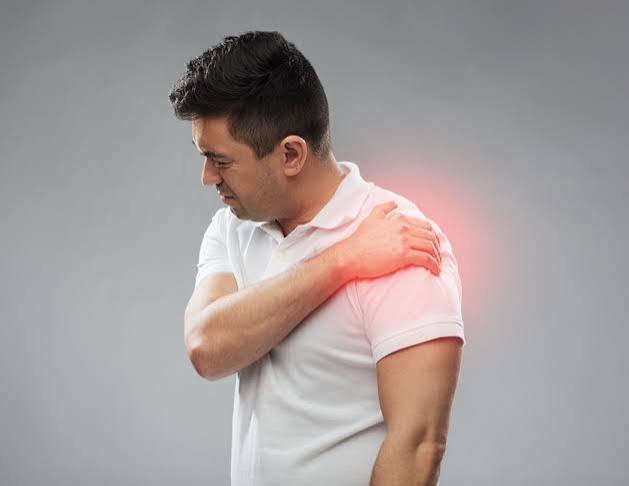
Shoulder pain can make simple tasks feel difficult. Reaching, lifting, and even sleeping can become a real challenge.
A shoulder heating pad offers a simple, drug-free way to ease this pain. Heat therapy relaxes muscles and improves blood flow to the area.
This guide covers everything about shoulder heating pads. You will learn how they work, how to use them safely, and how to choose the right one.
By the end, you will know exactly how to use heat therapy for lasting shoulder relief.
What Is a Shoulder Heating Pad?
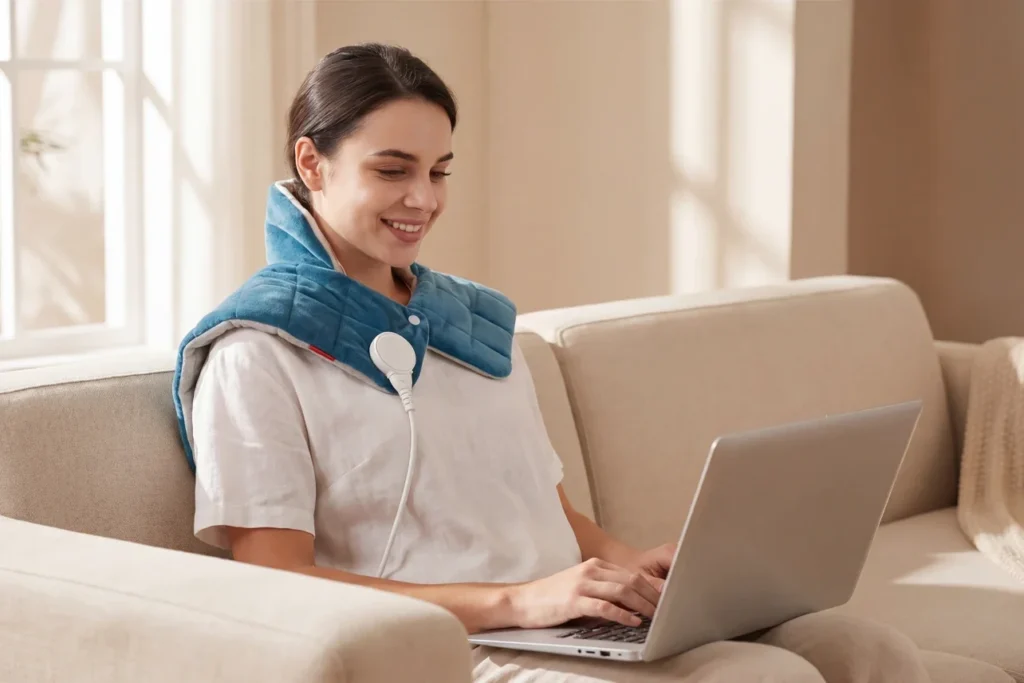
A shoulder heating pad is a device designed to deliver warmth to the shoulder area. It usually wraps around the shoulder for a snug, secure fit.
Unlike flat heating pads, shoulder pads follow the shape of the joint. This design targets pain more precisely than a standard pad.
Common Types of Shoulder Heating Pads
- Electric heating pads with adjustable heat settings
- Microwavable pads filled with grains or gel
- Infrared heating wraps for deeper warmth
- Battery-powered wearable heating wraps
Each type offers different benefits depending on your needs. Choosing the right type depends on comfort, convenience, and the cause of your pain.
How Does Heat Therapy Help Shoulder Pain?
Heat therapy works by increasing blood flow to sore muscles. This process helps deliver oxygen and nutrients to damaged tissue.
Key Benefits of Heat Therapy
- Relaxes tight or tense muscles
- Improves blood circulation in the shoulder
- Reduces stiffness and improves range of motion
- Eases chronic aches and mild joint pain
- Promotes a calming, soothing sensation
Heat therapy does not just mask pain temporarily. It also supports the body’s natural healing process over time.
How Heat Affects Muscles and Joints
Warmth causes blood vessels to widen, a process called vasodilation. This allows more blood to reach the affected muscles and joints.
Increased blood flow helps flush out waste products from sore tissue. This can speed up recovery from minor strains and stiffness.
Common Causes of Shoulder Pain
Understanding the cause of your shoulder pain helps you use heat therapy effectively. Some conditions respond better to heat than others.
| Condition | Description | Heat Therapy Helpful? |
| Muscle tension | Tight muscles from stress or posture | Yes |
| Rotator cuff strain | Overuse or minor tear in shoulder tendons | Yes, for chronic pain |
| Frozen shoulder | Stiffness and reduced range of motion | Yes |
| Arthritis | Joint inflammation and stiffness | Yes |
| Acute injury | Recent sprain or swelling | No, use cold first |
Knowing your specific condition helps you avoid using heat at the wrong time. This small detail makes a big difference in results.
Heat vs. Cold Therapy for Shoulder Pain
Many people wonder whether heat or cold works better for shoulder pain. The answer depends on the type and stage of injury.
When to Use Heat Therapy
- Chronic stiffness or tightness
- Muscle tension from poor posture
- Ongoing joint pain from arthritis
- Pain that improves with warmth
When to Use Cold Therapy Instead
- Fresh injuries within the first 48 hours
- Visible swelling or inflammation
- Sharp, acute pain after an accident
- Pain that worsens with warmth
Using heat too early on a fresh injury can increase swelling. Cold therapy works better in these early stages instead.
How to Use a Shoulder Heating Pad Safely
Using a heating pad correctly maximizes benefits and reduces risk. Following simple safety steps protects your skin from harm.
Step-by-Step Guide to Safe Use
- Check the heating pad for any damage before use
- Select a low or medium heat setting to start
- Place a thin cloth between the pad and your skin
- Apply the pad to the affected shoulder area
- Use the pad for 15 to 20 minutes at a time
- Remove the pad and check your skin for redness
- Repeat two to three times daily if needed
Never fall asleep with an electric heating pad turned on. This precaution helps prevent burns and other skin injuries.
Signs You Should Stop Using Heat
- Skin turns bright red or blisters
- Pain increases instead of improving
- You feel dizzy or lightheaded
- Numbness develops in the treated area
Stop use immediately if any of these signs appear. Consult a doctor if symptoms continue after stopping treatment.
How to Choose the Right Shoulder Heating Pad
Picking the right heating pad depends on your lifestyle and specific pain needs. Several factors affect comfort, safety, and results.
Key Features to Look For
- Adjustable heat settings for personalized comfort
- Auto shut-off feature for added safety
- Wearable, wrap-around design for hands-free use
- Machine-washable cover for easy cleaning
- Cordless or battery options for portability
Electric vs. Microwavable Heating Pads
| Feature | Electric Pad | Microwavable Pad |
| Heat duration | Long, adjustable | Shorter, needs reheating |
| Portability | Needs power source | Fully portable |
| Heat control | Precise settings | Less precise |
| Best for | Home use | Travel or quick relief |
Choosing between these options depends on where and how often you plan to use the pad. Both types offer real, effective relief when used correctly.
Best Practices for Using a Heating Pad During Recovery
Combining a heating pad with other recovery habits often improves results. Heat therapy works best as part of a complete care routine.
Additional Recovery Tips
- Stretch gently after using heat to improve flexibility
- Maintain good posture throughout the day
- Avoid heavy lifting until pain improves
- Stay hydrated to support muscle recovery
- Get adequate rest to allow healing
Combining Heat With Gentle Movement
Light stretching after heat therapy can improve long-term mobility. Warm muscles stretch more easily and with less discomfort.
Avoid forcing movement that causes sharp pain. Gentle, gradual stretching supports recovery better than aggressive movement.
Who Should Avoid Using a Shoulder Heating Pad?
Heat therapy is generally safe, but some people should use extra caution. Certain health conditions increase the risk of complications.
Groups Who Should Consult a Doctor First
- People with diabetes and reduced skin sensation
- Individuals with poor blood circulation
- Pregnant women, especially with direct heat
- People with active skin infections or open wounds
- Anyone with a heart condition affecting circulation
Checking with a doctor first ensures heat therapy remains safe for your specific situation. This step matters most for people with existing health conditions.
Shoulder Heating Pad for Specific Conditions
Different shoulder conditions may benefit from slightly different heat therapy approaches. Understanding these differences improves your results.
Heating Pad for Frozen Shoulder
Frozen shoulders cause stiffness and limited movement over time. Heat therapy can loosen tight tissue before stretching exercises.
Using heat before physical therapy sessions often improves flexibility. This combination supports faster, more comfortable recovery.
Heating Pad for Rotator Cuff Pain
Rotator cuff injuries often involve both inflammation and muscle tightness. Heat works best once initial swelling has gone down.
Combining heat with gentle rotator cuff exercises supports long-term healing. Always follow guidance from a physical therapist for best results.
Heating Pad for Arthritis Pain
Arthritis causes ongoing joint stiffness and discomfort. Regular heat therapy sessions can ease daily symptoms significantly.
Many arthritis patients find relief using heat first thing in the morning. This helps loosen stiff joints before starting daily activities.
Heating Pad for Muscle Tension From Posture
Poor posture, especially from desk work, often creates shoulder tension. Heat therapy relaxes these tight muscles effectively.
Combining heat with posture correction exercises offers the best long-term results. Addressing the root cause prevents pain from returning.
Daily Habits That Support Shoulder Health
Heat therapy works best alongside healthy daily habits. Small lifestyle changes can reduce shoulder pain over time.
Habits That Reduce Shoulder Strain
- Adjust your workstation to reduce shoulder tension
- Take regular breaks from repetitive movements
- Sleep in a position that supports your shoulder
- Warm up before physical activity or exercise
- Strengthen shoulder muscles with gentle exercises
Sleep Positions That Support Shoulder Recovery
Sleeping on the affected shoulder can worsen pain and stiffness. Try sleeping on your back or the opposite side instead.
Placing a small pillow under the arm can offer added support. This small adjustment often reduces nighttime discomfort significantly.
When to See a Doctor for Shoulder Pain
Most shoulder pain improves with rest, heat therapy, and gentle movement. However, some symptoms need professional medical attention.
Warning Signs That Need Medical Care
- Pain that lasts more than a few weeks
- Severe pain after a fall or injury
- Visible swelling, bruising, or deformity
- Inability to move the shoulder at all
- Numbness or tingling down the arm
- Pain that worsens despite home treatment
A doctor can perform tests to identify the exact cause of your pain. Early diagnosis often leads to faster, more effective treatment.
How Doctors Diagnose Shoulder Pain
- Physical examination of the shoulder joint
- Range of motion testing
- Imaging tests like X-rays or MRI scans
- Review of your medical history and activity level
An accurate diagnosis helps guide the right treatment plan. This may include physical therapy, medication, or in some cases, surgery.
Final Thoughts on Shoulder Heating Pads
A shoulder heating pad offers a simple, effective way to ease pain and stiffness. It supports healing by improving blood flow to sore muscles.
Using the right technique and safety precautions makes a real difference. Combining heat therapy with good posture and gentle movement improves long-term results.
For persistent or severe shoulder pain, always consult a doctor. With the right approach, a shoulder heating pad can become a valuable part of your recovery routine.
Frequently Asked Questions
How Long Should I Use a Shoulder Heating Pad?
Most experts recommend 15 to 20 minutes per session. Using it longer increases the risk of skin irritation or burns.
Can I Use a Heating Pad Every Day?
Yes, many people use heating pads daily for chronic shoulder pain. Always follow safety guidelines and monitor your skin closely.
Is Heat or Ice Better for Shoulder Pain?
Heat works best for chronic stiffness and muscle tension. Ice works better for fresh injuries and visible swelling.
Can a Heating Pad Help With Frozen Shoulder?
Yes, heat therapy can loosen tight tissue before stretching exercises. This often improves flexibility and reduces stiffness over time.
Are Electric Heating Pads Safe to Sleep With?
No, falling asleep with an electric heating pad increases burn risk. Always turn off the pad before going to sleep.
Can Heating Pads Help With Rotator Cuff Injuries?
Yes, once initial swelling has reduced, heat can ease muscle tightness. Combine heat therapy with proper rehabilitation exercises for best results.
What Temperature Setting Is Safest for Shoulder Pain?
Starting with a low or medium setting is safest for most people. You can gradually increase heat if your skin tolerates it well.
Should I See a Doctor Before Using a Heating Pad?
People with diabetes, poor circulation, or skin conditions should check with a doctor first. This ensures heat therapy remains safe for their situation.