
 By Rbia Eman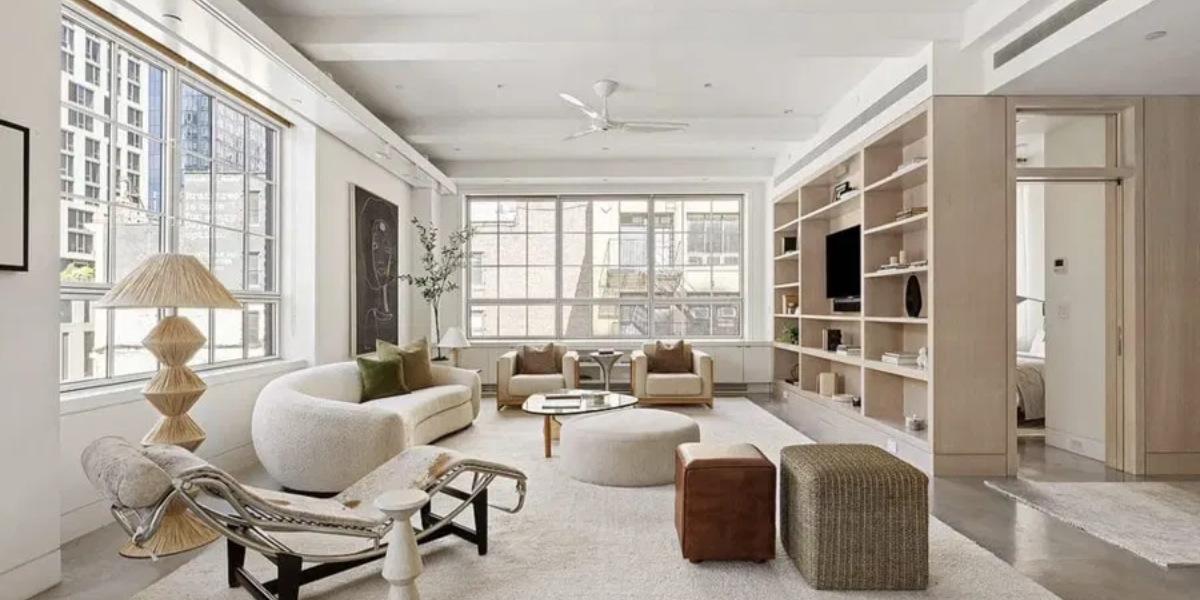
Choosing a home decor style can feel overwhelming. There are so many looks to pick from, and each one sends a different message about your space. This guide breaks down the three most popular home decor styles — minimalist, modern, and traditional — so you can choose the one that fits your life best.
Whether you love clean, empty surfaces or rich, layered rooms, this article will help you understand what each style means, how to combine styles, and how to pick the one that actually fits your budget and lifestyle.
Why Do Home Decor Styles Matter?
Your home reflects who you are. A well-chosen decor style makes your space feel calm, organized, and welcoming. It also saves you money, because you stop buying random pieces that do not match.
A clear style gives every room a sense of purpose. It guides your color choices, your furniture shopping, and even how you arrange your walls. Without a style, rooms can feel messy or disconnected, even with expensive furniture.
Here is what a defined home decor style does for you:
- Creates visual balance across every room
- Makes shopping for furniture faster and easier
- Increases your home’s resale appeal
- Reduces decision fatigue when decorating
- Helps guests feel instantly comfortable
- Reflects your personality without saying a word
Interior designers often say that a home without a defined style feels visually “loud,” even when it is tidy. Objects compete for attention instead of working together. A defined style solves this problem instantly, because every new item is filtered through one simple question: does it belong here?
This is also why home decor styles matter for resale value. Buyers respond emotionally to spaces that feel finished and intentional. A cohesive style, even a simple one, photographs better and sells faster than a home filled with mismatched furniture — and it tends to reduce everyday stress too, since a calm, organized space has a real effect on mood after a long day.
Understanding the Core Home Decor Styles
Before comparing these styles side by side, it helps to know what each one actually means.
What Defines Minimalist Style?
Minimalist decor follows one simple rule: less is more. Every item in the room must serve a clear purpose. Clutter, extra accessories, and busy patterns are removed entirely.
Rooms usually use white, gray, or soft neutral colors. Storage is often hidden behind sleek cabinets or built-in shelving. Natural light plays a huge role, since open, empty spaces need brightness to feel warm instead of cold.
A typical minimalist living room might include one low sofa, a single coffee table, and one piece of wall art. Nothing more is added unless it serves a clear function. Storage baskets, closed cabinets, and floating shelves keep everyday items out of sight, so the eye always has somewhere calm to rest.
What Defines Modern Style?
Modern decor grew out of early twentieth-century design movements. It focuses on function first, decoration second. Furniture uses clean lines, geometric shapes, and smooth, polished materials.
Common modern materials include glass, steel, and polished wood. Color palettes stay neutral, with occasional bold accent pieces like a bright chair or a dark statement wall. Open floor plans and large windows are signature features of this style.
Lighting plays a bigger role in modern homes than many people expect. Pendant lights, recessed ceiling fixtures, and statement lamps are treated as design elements, not just practical tools. A single sculptural light fixture can define an entire room’s character.
What Defines Traditional Style?
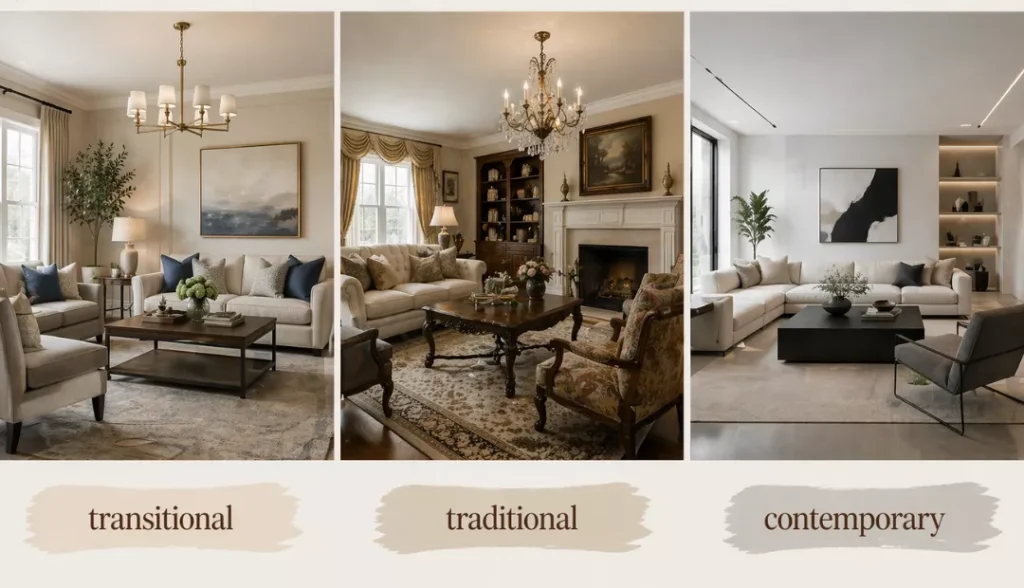
Traditional decor draws inspiration from classic European design, including Victorian, Colonial, and French Country influences. It embraces symmetry, rich colors, and detailed craftsmanship.
Expect carved wood furniture, decorative moldings, and layered textiles like velvet or silk. Deep colors such as burgundy, navy, and gold dominate traditional color schemes. Furniture often comes in matching sets, arranged in balanced, formal layouts.
Traditional interiors also rely heavily on window treatments. Floor-length drapes, valances, and layered curtains frame each window like a piece of art. This attention to detail is part of what gives traditional rooms their finished, formal appearance.
Other Popular Styles Worth Knowing
A few other styles often blend with minimalist, modern, and traditional decor. Knowing them helps you mix and match with confidence, and helps when shopping online, since many retailers label furniture using these exact terms.
- Scandinavian: Combines minimalism with warmth through wood tones and soft textiles.
- Farmhouse: Uses rustic wood, vintage accessories, and a relaxed, country feel.
- Bohemian: Layers bold patterns, global textiles, and eclectic, handmade pieces.
- Transitional: Blends modern simplicity with traditional detail for a balanced look.
Most real homes borrow elements from two or three categories rather than sticking to one strictly.
Minimalist vs Modern vs Traditional Key Differences
The table below highlights the biggest differences across color, materials, layout, and upkeep — this is the one place in this guide where you’ll find maintenance and space-efficiency compared directly, so use it as your quick-reference anchor.
| Feature | Minimalist | Modern | Traditional |
| Color Palette | White, gray, soft neutrals | Neutral with bold accents | Deep, rich tones (burgundy, gold) |
| Furniture Style | Simple, functional, hidden storage | Sleek, geometric, low-profile | Ornate, carved, matching sets |
| Materials | Natural wood, glass | Steel, glass, polished wood | Solid wood, velvet, silk |
| Layout | Open, uncluttered | Open floor plans | Zone-defined, symmetrical |
| Maintenance Level | Very low | Low to moderate | Higher |
| Space Efficiency | Best for small spaces | Great for small-to-mid spaces | Needs more room to breathe |
| Best For | Small spaces, calm living | Urban homes, functional living | Formal spaces, classic lovers |
Color Palettes Compared
Minimalist rooms rely almost entirely on white, beige, and light gray, creating a soft, airy feel that never overwhelms the eye. Modern spaces use similar neutrals but add confidence through accent colors — a single navy sofa or a black accent wall breaks up the palette without cluttering it. Traditional rooms embrace depth and saturation, with burgundy, forest green, and gold creating a warm, formal mood.
Furniture & Material Choices
Minimalist furniture avoids decoration entirely, choosing function over form with clean surfaces and hidden storage. Modern furniture introduces geometric shapes and industrial materials like steel and glass — comfort still matters, but visual simplicity comes first. Traditional furniture tells a different story: carved wood, tufted upholstery, and matching sets create a sense of craftsmanship and permanence.
Space Planning & Layout Philosophy
Minimalist and modern homes usually favor open floor plans, with fewer walls creating flow between the kitchen, dining, and living areas. Traditional homes often prefer zone-defined layouts instead — separate rooms for dining, sitting, and study areas support the formal, structured feel this style is known for.
Room-by-Room Style Ideas
Home decor styles do not have to look the same in every room. Many homeowners adjust the intensity of a style based on how each space is used.
Living Room Minimalist living rooms often center around a single art piece, traditional living rooms use a fireplace or a formal seating arrangement as the anchor, and modern living rooms usually build around a large sectional and a statement rug.
Bedroom Bedrooms should feel calm above all else, which is why minimalist principles work well here even inside a modern or traditional home. Soft lighting, layered bedding, and limited furniture create a restful atmosphere no matter which base style you choose.
Kitchen Kitchens lean naturally toward modern or minimalist decor because both styles prioritize function, though traditional kitchens still work well with warm wood cabinetry, decorative hardware, and classic tile backsplashes.
Dining Room Dining rooms are where traditional style shines brightest. Formal table settings, statement lighting, and matching chairs create the kind of atmosphere this style was designed for, while modern dining rooms simplify this with sleek tables and fewer accessories.
Pros and Cons of Each Style
Reviewing the strengths and weaknesses of each option helps you choose with confidence.
Minimalist Pros & Cons
Pros: Extremely easy to clean · makes small rooms feel larger · timeless, never goes out of style · reduces spending on unnecessary decor
Cons: Can feel cold without warm textures · limited room for personal collections · may feel too plain for some homeowners
Modern Pros & Cons
Pros: Feels spacious and bright · easy to maintain compared to ornate styles · works well with sustainable, eco-friendly materials · blends easily with other styles
Cons: Can feel sterile if not balanced with texture · less suited to vintage or antique lovers · bold statement furniture can be costly
Traditional Pros & Cons
Pros: Creates a cozy, inviting atmosphere · offers timeless, elegant appeal · allows extensive personalization · perfect for formal entertaining spaces
Cons: Requires more upkeep · can feel heavy in smaller rooms · risks looking dated without careful updates
How to Identify Your Personal Decorating Style
Choosing between minimalist, modern, and traditional decor becomes easier once you understand your own habits. Ask yourself these questions:
Do you prefer simple or decorative spaces? If clutter stresses you out, minimalist or modern decor will likely suit you best. If you enjoy collecting objects and displaying them proudly, traditional or bohemian style may feel more like home.
Which colors make you feel comfortable? Neutral lovers usually gravitate toward minimalist and modern rooms. If you feel drawn to deep, saturated colors, traditional decor will likely feel more natural.
How much upkeep are you comfortable with day-to-day? This is worth thinking about room by room, too — a busy family kitchen may need modern or minimalist simplicity, while a quiet study can handle the extra detail of traditional decor without becoming a burden.
Try this simple exercise before committing to a style: walk through your home and note which rooms already feel comfortable to you. Chances are, they already lean toward one of these three styles, giving you a natural starting point.
Can You Mix Styles? Exploring Transitional & Midimalist Décor
Yes mixing styles is one of the biggest home decor trends today. Blended styles let you enjoy the best features of each category without fully committing to one look.
Blending minimalist and traditional elements: Pair a simple, neutral sofa with one traditional statement piece, like a carved wood mirror or an antique side table. This keeps the room calm while adding warmth and personality.
Modern-traditional fusion (transitional style): Transitional design combines modern furniture shapes with traditional textures and colors. A sleek sofa paired with a classic patterned rug is a perfect example of this balance.
A simple rule for mixing styles successfully: Choose a dominant style first, then borrow only one or two elements from a second style. This keeps rooms cohesive instead of chaotic. Repeating a single color, material, or shape across the room also helps tie mixed styles together a wooden coffee table, wooden picture frame, and wooden lamp base can unify an otherwise varied room, even if the furniture styles differ slightly.
2026 Home Decor Trends to Watch
Home decor styles continue to evolve every year. These are the trends shaping minimalist, modern, and traditional interiors in 2026.
Warmer, earthy neutrals Stark white is softening into warmer beige, taupe, and terracotta tones, adding coziness without sacrificing the clean feel minimalist and modern homeowners love.
Sustainable & biophilic design Reclaimed wood, organic fabrics, indoor plants, and responsibly sourced furniture are now appearing across all three styles, not just eco-focused homes. This is the one trend that is genuinely style-agnostic — a minimalist, modern, or traditional room can all lean into it equally.
Multifunctional furniture Storage beds, expandable dining tables, and modular sofas help homeowners maximize small spaces, supporting minimalist and modern lifestyles especially well.
Smart home integration Automated lighting, climate control, and voice-activated systems are becoming standard, blending quietly into classic and contemporary interiors alike.
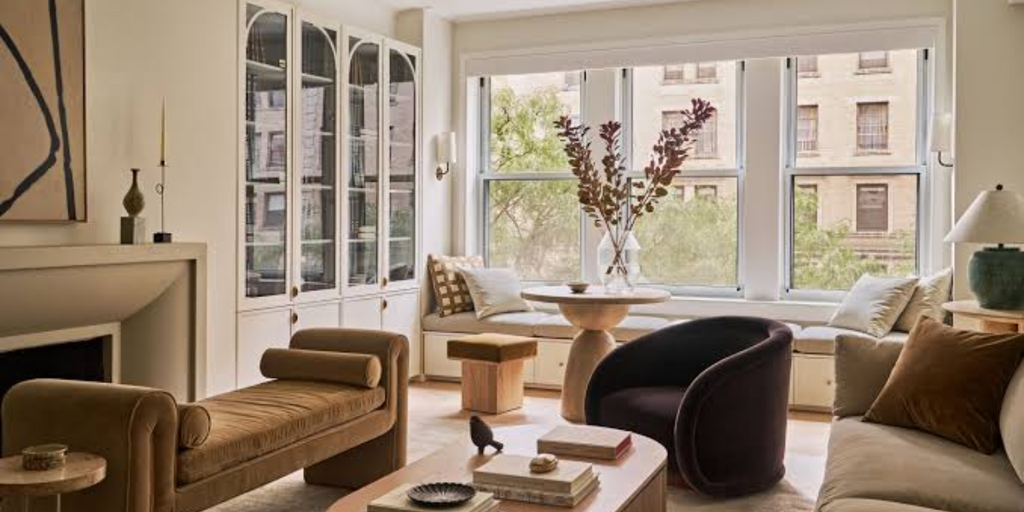
Soft geometry and curved furniture Sharp angles are softening across every style. Rounded sofas, arched doorways, and curved mirrors are replacing strictly rectangular shapes, adding a gentler feel to modern and minimalist rooms.
Heirloom and vintage accents Traditional decor is inspiring homeowners across all styles to add one or two vintage pieces to otherwise contemporary rooms. A single antique mirror or vintage lamp can add character without overwhelming a minimalist or modern base.
Which Style Is Best for Your Home?
The right style depends on your space, budget, and daily lifestyle.
Small apartments: Minimalist and modern styles work best here open layouts, hidden storage, and light colors make rooms feel larger than they actually are (see the Key Differences table above for the full space-and-maintenance comparison).
Family homes: Traditional and transitional styles suit larger family homes well, offering durable furniture, formal entertaining spaces, and room for personal keepsakes to grow over time.
Tight budgets: Minimalist decor is usually the most budget-friendly option, since fewer purchases and simple furniture pieces keep costs low. That said, budget depends more on furniture quality than on style label — a high-end modern piece or a genuine traditional antique can both carry a premium, so compare materials, not just categories, when you’re pricing things out.
Quick Shopping Checklist by Style
Use this simple checklist before buying new furniture or decor, whether you’re furnishing one room or an entire home.
Minimalist: Neutral-colored sofa with clean lines · one or two functional storage pieces · a single statement art piece · simple, unpatterned textiles
Modern: Geometric coffee table · sculptural lighting fixture · sleek, low-profile seating · one bold accent color piece
Traditional: Carved wood furniture set · patterned area rug · layered curtains or drapes · statement chandelier or lamp
Keeping a checklist like this prevents impulse purchases that do not match your overall style, and makes shopping faster since you already know what you’re looking for.
Conclusion
Every home decor style offers something valuable. Minimalist design brings calm and simplicity, modern decor balances function with style, and traditional interiors deliver timeless warmth and elegance.
There is no wrong choice here. The best home decor style is the one that fits your lifestyle, your budget, and the way you want your home to feel. Many of the most beautiful homes today blend two or three styles together, creating a space that feels personal and uniquely yours.
Start small if you feel unsure. Update one room, live with the change for a few weeks, and see how it feels. Home decor styles are meant to evolve alongside your taste, so there’s no need to get everything perfect on the first try.
Frequently Asked Questions
Which home decor style is easiest for beginners?
Minimalist decor is the easiest starting point. It requires fewer decisions, fewer purchases, and simple color rules that are hard to get wrong.
Can I combine minimalist and traditional styles?
Yes — this combination is often called “midimalism.” It pairs simple, neutral furniture with a few carefully chosen traditional statement pieces.
How often should I update my home decor?
Small refreshes work well every season, while larger redesigns typically happen every five to seven years. Trends shift, but timeless furniture rarely needs replacing.
Do I need to redecorate my whole house at once?
No. Most homeowners update one room at a time starting with the living room or bedroom lets you test a style before committing to it throughout the home.
What’s the easiest way to start decorating in a new style?
Begin with color. Repainting walls or swapping textiles is the fastest, most affordable way to shift a room toward minimalist, modern, or traditional decor before buying new furniture. Once the color foundation is set, furniture and accessories become much easier to choose.
[…] and it’s usually fixable with a little planning. If you’ve been wondering how to choose furniture for a living room, this guide walks you through it in a calm, sensible order, so you buy once and enjoy it for […]