
 By Rbia Eman
Acne is the most common skin condition so knowing the best acne cream can have a big impact on an effective skin care routine. If you get the Irregular pimple, have oily skin, or are breakout prone, an acne treatment cream can help reduce the look of flaw and make your skin appear clearer.
But when the choices end less, which one should you pick to get clear skin. In this guide, we’ll cover the best acne cream options, key ingredients, and a few tips on how to pick a product best suited for your acne-prone skin.
What Is Acne?
Acne develops when pores in your skin become blocked with oil and dead skin cells. This blocking results in whiteheads, blackheads, pimples, at times which are deeper, more painful lesions.
It can appear on the face, chest, back or shoulders. Although it is most common in teenagers, many adults also suffer from the condition.In some people it goes away on its own.For others, it’s here to stay and requires real, long-term attention.
What Causes Acne? Understanding the Root Problem
Your skin produces an oil called sebum. In small amounts, too, it’s fine, it just keeps your skin soft. The problem arises when your body produces too much of it.
That Surplus oil combines with dead skin cells and blocks your pores. Bacteria that lives on your skin to begin with is now flooding within that plug. Your body fights back, and it’s that fight that makes the redness, the swelling, the lumps that we call pimples.
A few things tend to exacerbate this cycle,
Hormonal changes:Puberty, your period, and stress can all rev up oil production.
Genetics: Having a family history of acne increases your chances of having it, too.
Diet:Some research has linked high sugar diets to more serious break outs.
Heavy skincare products: Anything that can block pores can also trap oil and dirt inside them.
Touching your face:It’s a great way to spread bacteria and oil around.
Once you know what is truly behind your breakouts, it’s a lot easier to pick a cream that will address the problem and not just its side effects.
How to Choose the Best Acne Cream for Your Skin Type
There is no universal solution to acne cream. Your skin type has a lot to do with what works and what doesn’t.
1.For Oily Skin
Creams that are foam or gel based are best. Use an anti oil, pore clearer exfoliant, such as one that contains salicylic acid.
2.For Dry Skin
Dry skin should be cared for more gently. Strong acne creams can also dry the skin out more. Get a cream that treats acne and moisturizes in one, then introduce it back into your routine slowly.
3.For Sensitive Skin
Strong ingredients can cause a very negative reaction in sensitive skin. Begin at the lowest concentration and patch test before applying it all over your face. Azelaic acid is generally considered a mild alternative.
4.For Combination Skin
You usually have to treat combination skin with two different types of product simultaneously. Use a heavier cream on the oily areas of your face such as your forehead and nose, and a lighter one on the dry areas such as your cheeks.
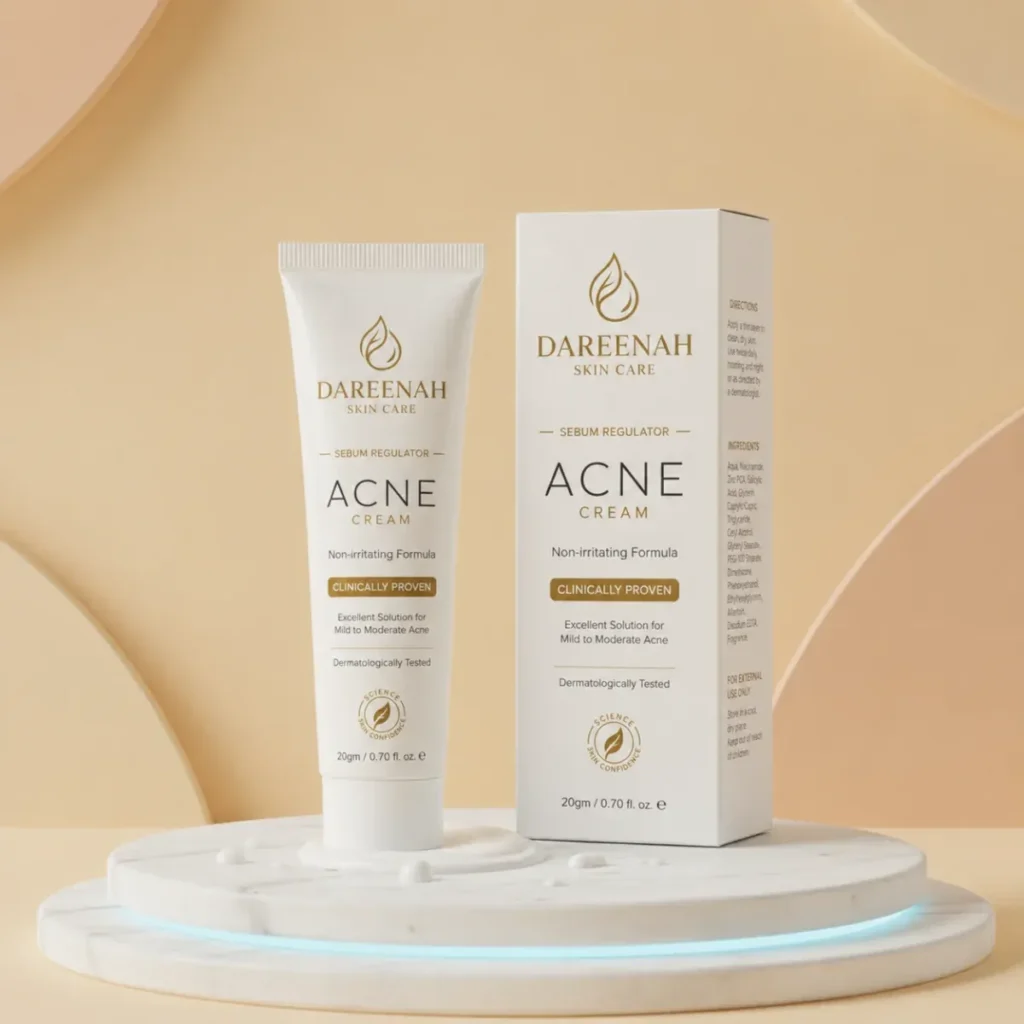
Key Ingredients to Look for in an Acne Cream
The list of ingredients is way more important than the brand name on the package. Here’s what actually has data behind it.
Salicylic Acid
It’s a beta-hydroxy acid (BHA), which means it can go deep into your skin and dissolve all the gunk that is clogging your pores.It’s especially good for blackheads and whiteheads (and can even reduce some redness).
Benzoyl Peroxide:
Also effective at killing the bacteria that causes acne and is known to reduce inflammation.There are various strengths, so you may want to start with the lowest strength to reduce the irritation. Just a heads up: it can bleach fabric so you may want to use dark towels and pillowcases.
Retinoids
Retinol, adapalene, and tretinoin are all members of this vitamin A–based family. They speed up the process of skin cell turnover which helps instantly clear out pores and with time smooth out skintone.They can be a little drying at first, which is why most people just use them a couple of nights a week.
Niacinamide:
a type of vitamin B3 that decreases redness, your skin barrier, and regulates oil production
Tea Tree Oil
That’s the natural one. It’s antibacterial, anti-inflammatory and often more tolerable than benzoyl peroxide, making it great for mild acne.
Sulfur
Sulfur soaks up oil and helps to dry out active pimples and wetland off dead skin.It has a funky smell, but it is widely believed to work well as a spot treatment.
Azelaic Acid
Azelaic acid doesn’t just battle acne, it also battles the dark spots acne can leave behind. It is usually one of the best ingredients for sensitive skin.
Types of Acne and the Right Cream for Each
Types of Acne and the Right Cream for each acne presents in many different types, and matching the type of cream to the type of acne you have does make a big difference.
1.Blackheads and whiteheads:Salicylic acid is also a good candidate as it unclogs pores.
2.Inflamed pimples (papules and pustules): Benzoyl peroxide is quite active in this domain as it has a double effect on both inflammation and bacteria.
3.Cystic acne:This more severe and painful variety generally requires the involvement of a dermatologist, as well as gentle daily care at home.
4.Hormonal acne:Typically appears on the jawline and chin. Niacinamide and a great routine may help ward off some of the flare ups.
Acne scars and marks:Azelaic acid and retinoids can help fade these over time, but you do have to be patient.
How to Use Acne Cream the Right Way
Even the best cream won’t do if it’s not applied correctly. Here’s all you need to know to make the most of it.
Cleanse first:Cleanse, and tone if you use a toner.
Cleanse and tone your skin very matter and then apply something when your skin feels viscous.
Look your skin dry:Let the soap dry a bit after rinsing it off to let it dry to prevent irritation.
Go thin:A thin layer is enough. More product is not going to make it go faster, folks.
Ease in:Especially if it’s a retinoid or benzoyl peroxide, every other day is a reasonable place to start.
Apply after Moustrizer:That way, your skin barrier stays safe and moisture stays locked in.
Use sunscreen:Many acne remedies can increase sensitivity to sun, so get it in the morning.
Stick with it :Most acne creams don’t show real improvement in your skin for four to eight weeks.
Common Mistakes to Avoid When Treating Acne
There are plenty of people that don’t realize they are holding themselves back. Here’s what to watch out for.
Washing too often:This strips your skin and triggers oil production.
Layering too many activities:A “potentially destructive cocktail” of skincare activities including retinoids, benzoyl peroxide, and acids can be used “simultaneously” and “may result in a highly irritating reaction” on your skin.
Popping or cracking pimples: You’re likely to damage the surface more and can also spread bacteria to other parts of your body.
Avoiding the moisturizer: Hydrating is important even for oily skin, in order to keep it balanced.
Giving up too soon: These creams take time to work and hopping from product to product every week is not going to make you progress any faster.
Skipping sunscreen:The sun may exacerbate the acne scars and erase weeks of good work.
Acne Cream vs Other Acne Treatments
Acne cream is just one tool. raiding how it stacks up against the rest to help you build a routine that actually works.
Spot Treatments
These are formulated for individual pimples and often have higher concentrations of active ingredients in a small patch. While they are fast acting, they are not to be used all over the face.
Acne Serums
Serums are usually faster absorbing than creams and can be used before applying hydrators. They also seem to be a good option for people with combination or oily skin.
Oral Medication
For more severe or cystic acne, a doctor might also give you pills to take along with the cream, to fight breakouts both inside and out.
Professional Treatments
Chemical peels, light remedy and Pull out can all improve your at home routine, especially if you have cystic acne.
Acne cream works best when combined with other treatment methods, not as the only product used.
Lifestyle Tips to Support Acne Treatment
Your products are more effective when you’re helping them out with your daily routine.
Change your pillowcase frequently. (It accumulates oil and bacteria, then hands a lump of that right back to your skin.)
Clean your phone screen:It’s always touching your face and it harbors more bacteria than you might think.
Manage your stress levels:Stress can increase levels of hormones that are associated with breakouts.
Hydrate:It needs water to function and breathe and you need to drink some of that, too.
Watch what you eat: For some, eating less sugar or foods can mean fewer break outs.
Get your beauty rest. Bad sleep elevates stress hormones and impairs skin repair.
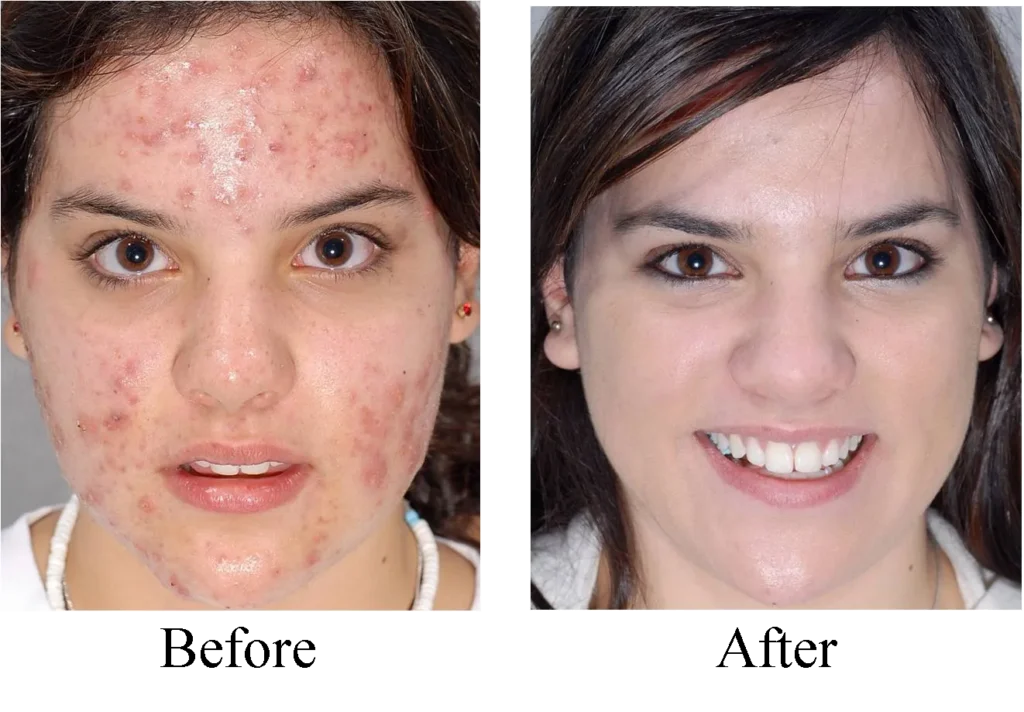
When to See a Dermatologist
Poor sleep lifts stress hormones and impairs skin re growth.
- For mild to mild acne, a cream sold without a Formula may be enough. But there are a few signs that mean you should see a pro.
- Your acne is painful, nodular/hard, or cystic.
- Moore, three months of regular use hasn’t made a dent. You’re starting to see scars or dark spots.
- Your acne weakens your confidence or is intrusive with your day to day life. You’ve tried a group of products and nothing’s changed.
A dermatologist can make a routine for your skin and order more strong medications if necessary.
Final Thoughts
Salicylic acid and niacinamide are all well established and demonstrated to have benefits, but you need to use the correct product the correct way every day for either of them to do the job and get results.
Begin slowly, keep your routine and allow your skin to adjust to the products. If over the counter treatments are not effective, a dermatologist can help formulate a treatment plan. With the right plan and a little script , you can get your skin clear.
Frequently Asked Questions
1. How long does it take for acne cream to work?
Most creams have to be applied regularly over a period of four to eight weeks before they start to show any results. You can find small changes earlier, but full results patience.
2. Can I use more than one acne cream at a time?
gradually introduce active ingredients into your routine, one at a time, to find out what you need. Products containing vitamin A can be layered, but also lead to dryness and irritation.
3. Is a stronger acne cream always better?
Not really. Stronger isn’t necessarily faster or better results — it typically just means more risk of irritation.
4. Can acne cream help with acne scars?
Vitamin A and azelaic acid also fade spots over time. You can certainly go pro if you want the best results for worse scars, but it’s going to cost you.
5. Should I stop using acne cream once my skin clears up?
That’s because plenty of people do keep using a pared-back version of their routine to keep new breakouts at bay, (particularly if their acne is hormonal or genetic).