
 By Rbia Eman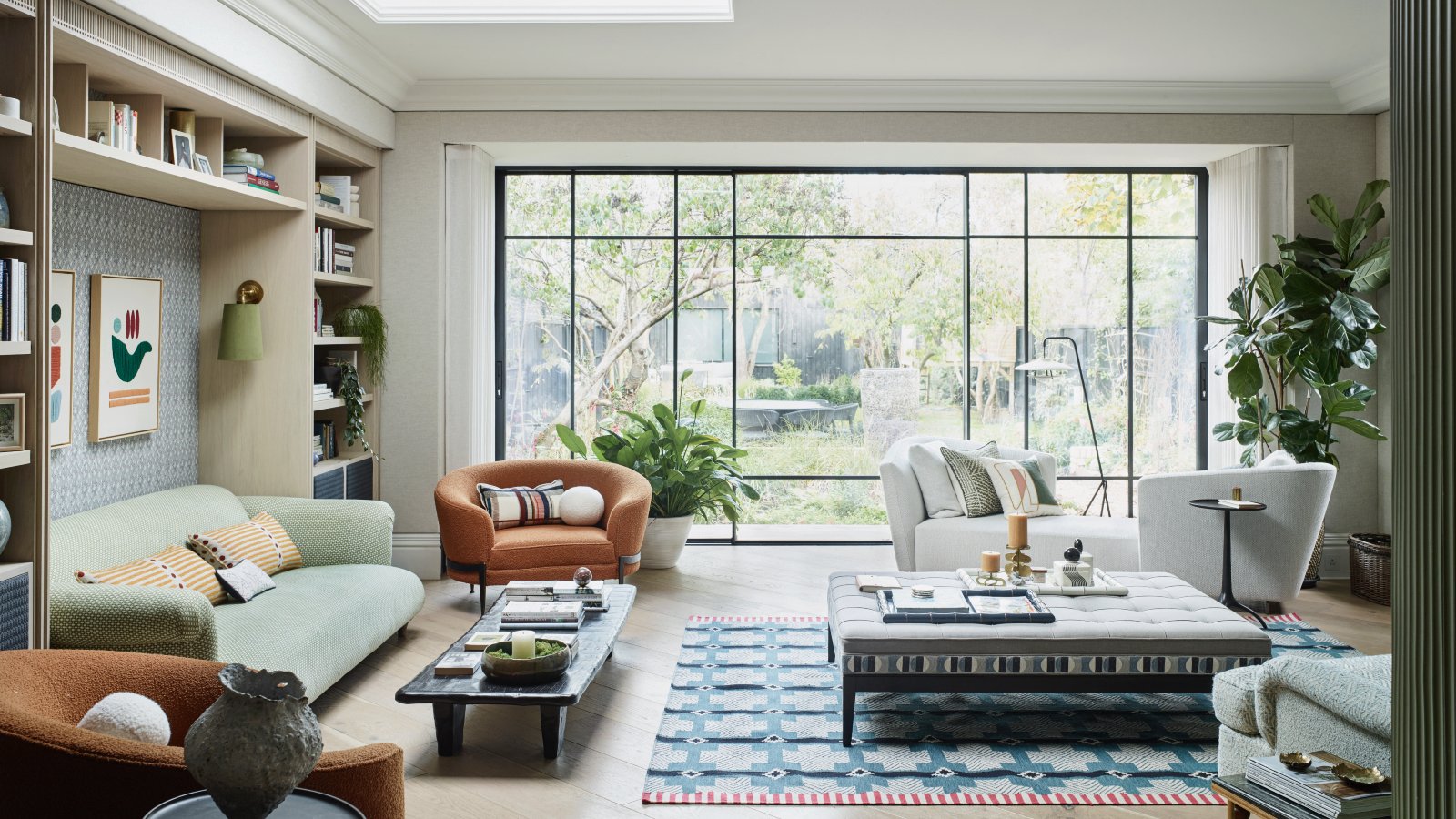
You order a gorgeous coffee table online. It arrives, you unbox it, and it’s twice the size you imagined. Now the door won’t open properly, and everyone’s knees are bruised.
Sound familiar? Almost everyone has made a furniture mistake like this, and it’s usually fixable with a little planning. If you’ve been wondering how to choose furniture for a living room, this guide walks you through it in a calm, sensible order, so you buy once and enjoy it for years.
First, Ask Yourself: How Will You Actually Use This Room?
Before you look at a single sofa, think about your daily life. A living room is rarely just for sitting. It might be your reading corner, movie theatre, home office, homework station and dining table all at once.
Try answering these questions:
- Do you spend evenings curled up with a book or a drink? Then you’ll want a side table within reach and a good lamp nearby.
- Do you love stretching out and lounging? Then a deep sofa or a big ottoman should be near the top of your list.
- Do you often have friends over? Extra seating will matter more than extra storage.
Your answers become your shopping list. Skip what doesn’t suit your lifestyle and spend your budget on what does.
Start With the Sofa (Everything Else Can Wait)
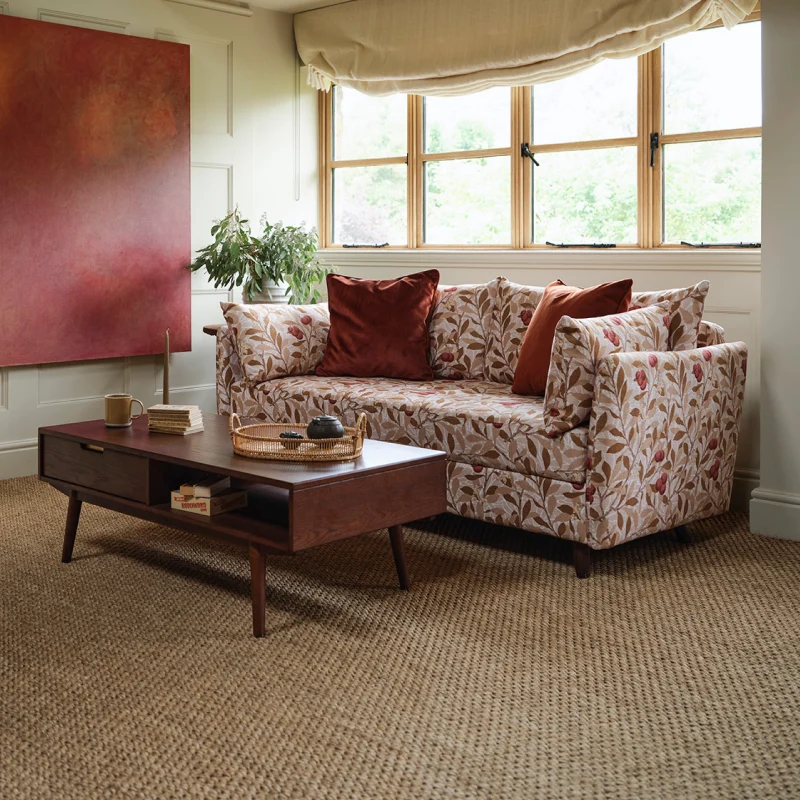
If you only remember one tip on how to choose furniture for a living room, make it this one: begin with the sofa. It’s the biggest piece, the most used piece, and the one that sets the tone for the rest of the room.
Once you have a comfortable place to sit, the pressure disappears. You can find the other pieces slowly, and that’s how the best rooms come together.
Buy new, or buy carefully. Very old sofas often have tired foam that sags and fabric that has faded or discoloured. Unless it has been properly restored, a secondhand bargain can turn into an uncomfortable purchase. Plenty of affordable new sofas are well made, and some even come as sofa beds if you need a guest option.
Match the style to your space. In a small home, avoid designs where a lot of the footprint is taken up by parts you can’t sit on, such as very deep rolled arms or bulky frames. You want every inch to earn its place.
Put it where you naturally want to sit. This is the tip people ignore most. The “logical” spot may be near a draughty door or a busy walkway, and you’ll end up avoiding it. Notice where you already drift to, maybe near the window or in a patch of afternoon sun, and place the sofa there.
Measure First, Buy Second
Scale mistakes are the number one danger of online furniture shopping. A picture can’t tell you how big something really is. Here’s how to avoid the problem:
- Measure the room and the gaps. Include any nooks where storage might fit.
- Sketch a floor plan. Draw the room to scale on a large sheet of paper and move pieces around on it.
- Test it in real life. Mark furniture sizes on the floor with masking tape or lay down cardboard. Walk around it. Does it feel tight?
- Know the standard heights. A regular table sits around 75 cm high, and a coffee table is usually about 40 cm.
- Keep your numbers handy. Save the measurements in your phone so they’re with you whenever you spot something you love.
With those numbers in your pocket, you can shop with confidence and quickly rule out anything that won’t fit.
Add Other Seating to Balance the Room
After the sofa, think about where else people can sit. An armchair, a daybed, or a bench under a bay window can all work well.
Here’s a designer’s trick: don’t fill the room with only soft, squashy pieces. Mix in something firm, such as a wooden bench or a small wooden chair. The contrast keeps the room from looking heavy and gives your eyes somewhere to rest.
Choose a Coffee Table or Ottoman for the Centre
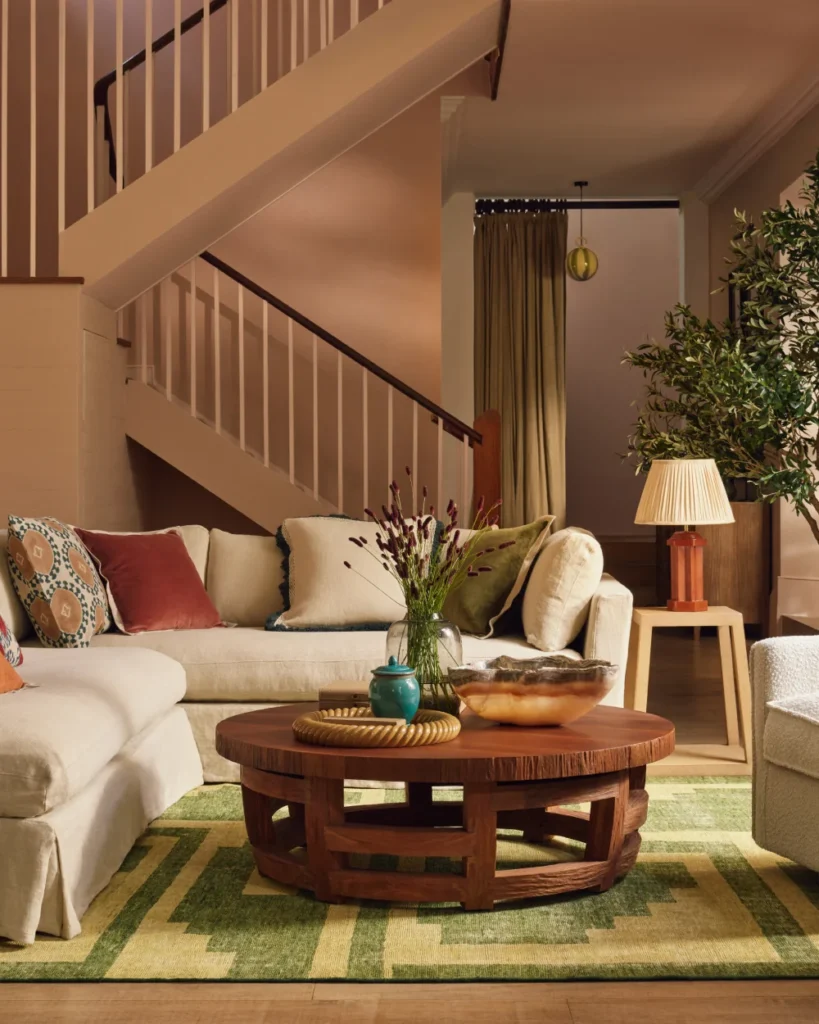
A central piece ties the seating together and gives you somewhere to put your drink. Both options work:
- A coffee table is great if you want a firm surface. Look for one with a shelf or drawer to hide remotes, magazines and clutter.
- An upholstered ottoman is softer and more relaxed. Add a tray on top and it becomes a table, and you can still put your feet up.
Just leave enough walking space around it so no one is squeezing past.
Don’t Forget Tables Next to Your Seating
A simple rule: every seat should have a surface nearby. It’s practical, because nobody wants to balance a cup on their knee.
Tables also help fill awkward empty areas. Try one behind the sofa, or a small desk with a lamp in an alcove. Small side tables with quirky shapes and interesting details add personality at a low price, so have fun with them.
Mix Fabrics Without the Guesswork
Choosing textiles is where many people freeze. Use this easy formula and you can’t go far wrong:
- Stick to three or four colours in total.
- Pick two plain fabrics as your base.
- Add one stripe, one small pattern and one large pattern for interest.
Rugs are a lovely way to bring colour and pattern together. If you’re torn between options, simply choose the colours you love most.
Lighting Sets the Mood
Good lighting can make an average room feel warm and inviting. Here’s what to think about:
- Use a mix of floor lamps, table lamps and wall lights instead of relying on a single overhead light.
- If hiring an electrician feels like a hassle, plug-in wall lights can be fixed up by you.
- Lampshades with a gold-toned lining inside give a flattering, glowing light in the evening.
Add Character With Art, Plants and Personal Touches
A room feels finished when it feels like you. Art doesn’t need a big budget:
- Frame pages from large illustrated or photography books to build an affordable gallery wall.
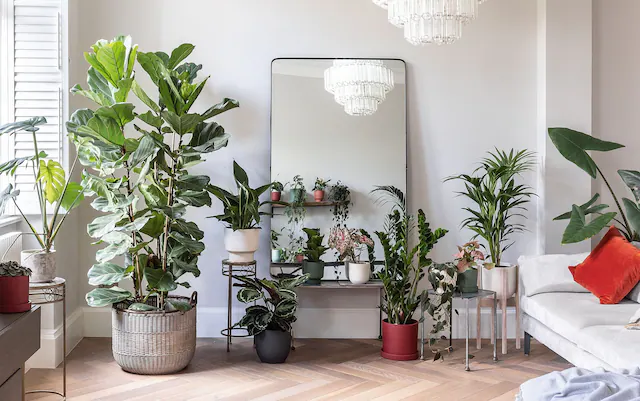
- Choose easy care flowering plants, like geraniums, for a burst of colour.
- In spring, plant scented bulbs in old candle jars for a charming, no cost display.
Storage and Screens: Take Your Time
There’s no need to rush into custom-built cupboards. If you know your measurements, you might stumble on a lovely secondhand cabinet that fits perfectly.
As for the TV, hiding it is tricky and rarely looks great. A well-designed television can simply stay on display as part of the room. If you’re having a cabinet made, ask for a breathable fabric panel on the doors so speakers can sit inside without muffling the sound, and don’t forget to plan for plug sockets and cable holes at the back.
Quick Checklist: How to Choose Furniture for a Living Room
- Decide how you’ll use the room
- Buy the sofa first, and place it where you love to sit
- Measure everything and test sizes with tape
- Add one or two extra seats, including one firm piece
- Choose a coffee table or ottoman for the centre
- Place a table beside each seat
- Keep fabrics to a simple palette
- Layer your lighting
- Finish with art, plants and personal touches
Final Thoughts
Learning how to choose furniture for a living room isn’t about spending the most or following trends. It’s about understanding how you live, measuring carefully and buying one piece at a time. Start with the sofa, take your time with the rest, and let the room grow around you.
Your living room should feel like the easiest place in the house to relax. With a little planning, it will.
FAQs
What should I buy first for my living room?
The sofa. It’s the largest and most-used piece, so everything else can be chosen around it.
How do I choose furniture for a small living room?
Pick a compact sofa without wasted bulk, measure carefully, and choose multi-purpose items like a storage ottoman.
How far should a coffee table be from the sofa?
Leave enough room to walk and to stretch your legs comfortably. Test the spacing with masking tape before buying.
How many colours should I use in a living room?
Three or four is plenty. Use two plain fabrics and add a stripe and a couple of patterns.