
 By Rbia Eman
Low back pain affects millions of people at some point in life. It often gets in the way of daily life and overall quality of life.
Physical therapy is one of the top first-choice treatments for this problem. It mixes guided exercise with expert, hands-on care.
This guide explains how physical therapy works, which exercises help the most, and what to expect from treatment. You will also learn which back issues gain the most from this approach.
By the end, you will get how physical therapy can support lasting back pain relief.
What Is Physical Therapy for Low Back Pain?
Physical therapy uses guided exercise to build strength in lower back muscles. It also helps condition spinal tissue and joints for better function.
Most types of lower back pain get sent to physical therapy first. This makes it a base treatment before more invasive options come into play.
Core Goals of Physical Therapy
Physical therapy plans usually aim for a few key results:
- Lower painful symptoms in the lower back and legs
- Improve function for daily tasks and independence
- Boost spine flexibility and range of motion
- Build a plan to prevent future back problems
These goals work together to support both quick relief and long-term back health. A well-built plan treats pain now while building lasting strength.
How Physical Therapy Supports the Whole Body
Physical therapy exercises target the whole “kinetic chain.” This means the linked body parts, joints, and muscles that work together during movement.
Building up this full chain helps the body move with more ease. This lowers strain on any one spot, including the lower back.
How Effective Is Physical Therapy?
Large studies show physical therapy can improve lower back pain and its symptoms by up to 60%. This makes it a truly effective, proven treatment choice.
Four Categories of Therapeutic Exercises for Back Pain
Physical therapists usually mix a few types of exercise. Each type covers a different part of back health and function.
| Exercise Category | Primary Focus |
| Core-strengthening | Building strength in stomach, back, and pelvic muscles |
| Lumbar stabilizing | Supporting the spine through hip and leg strength |
| Aerobic exercise | Improving circulation and reducing muscle stiffness |
| Postural training | Correcting posture to reduce strain on the spine |
1. Core-Strengthening Exercises
Core exercises build muscle strength and cut lower back pain by a lot. They also boost how well the body moves overall.
Your core covers the stomach muscles in front, the spine and buttock muscles in back, the diaphragm on top, and hip and pelvic muscles below. A weak core spreads weight unevenly across the spine.
This uneven spread can cause or add to back pain. Core-strengthening exercises build the strength and staying power needed to fix this.
Common Core-Strengthening Exercises
- Pelvic tilts
- Cat-cow pose
- Bird dog exercise
- High and low planks
- Crunches
- Swiss ball (exercise ball) moves
These exercises are usually easy to learn and do. Staying steady with these moves often leads to real pain drop over time.
2. Lumbar Stabilizing Exercises
A strong spine needs strong hips and legs to hold it up. These muscles help you walk, bend, and twist with no strain.
Weak or poor hip and leg muscles can cause the spine to feel unstable. This often leads to more back pain over time.
Stretching and strengthening exercises work key muscles like the iliopsoas and hamstrings. This helps the hips and spine work better together.
Common Lumbar Stabilizing Exercises
- Hamstring stretches
- Squats
- Downward dog pose
- Planks with leg lifts
- Lunges
These exercises help spread force more evenly across the lower back, pelvis, and legs. This lowers strain on any one point in the chain.
3. Aerobic Exercises
Aerobic exercise supports heart health while also helping heal spinal muscles. This double benefit makes it a real asset in any back pain plan.
Cardio movement raises your heart rate, which boosts blood flow across the body. Better blood flow brings more oxygen and energy to spinal tissue.
This process helps painful spinal muscles feel less stiff and move more freely. Regular aerobic activity supports both healing and stopping future pain.
Common Aerobic Exercises for Back Pain
- Brisk walking
- Stationary cycling
- Elliptical training
- Water exercise for low-stress conditioning
Water-based exercise gives special gains for back pain. Water’s lift supports body weight, cutting stress on the spine during movement.
4. Postural Training
Good posture keeps strain low by keeping muscles and bones in balance. Poor posture, whether from habit or setup, throws this off.
Bad posture can limit movement in the tendons and muscles around the spine. This often makes normal daily moves harder and more painful.
Posture fix exercises stretch and strengthen the back, stomach muscles, and full kinetic chain. This mix helps steady the spine more fully.
Common Postural Training Exercises
- Calf stretching
- Seated squats
- Pelvic tilts
- Stomach strengthening exercises
Better posture often cuts pain caused by daily acts like sitting or standing. Small, steady fixes build real gains over time.
The Role of a Physical Therapist
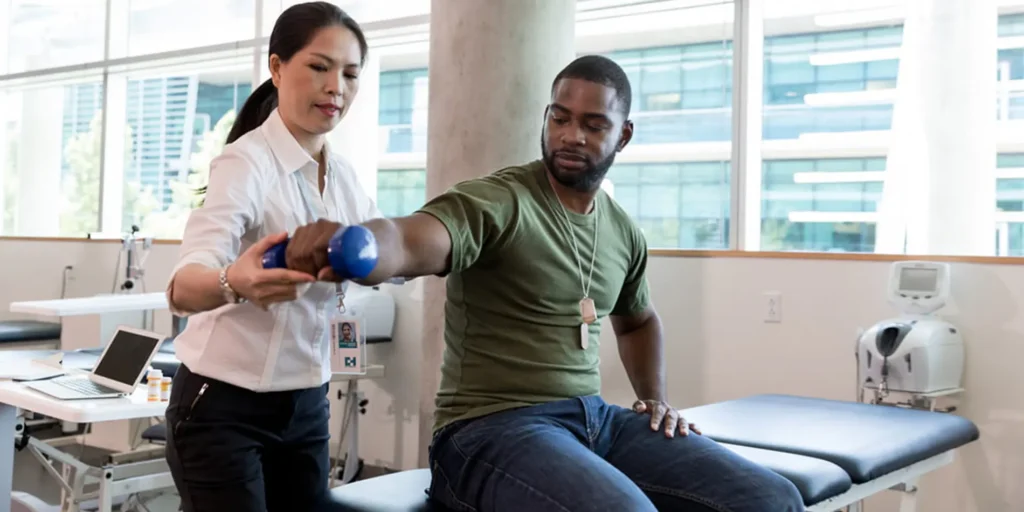
Physical therapy means more than just doing exercises. It mixes teaching, training, and a well-built plan.
What a Physical Therapist Does
- Builds a plan that fits your exact needs and limits
- Teaches the right form for safety and results
- Tracks your progress and adjusts the plan as needed
- Gets you ready to do the exercises on your own
A therapist’s real goal is to build your independence. Teaching the right form makes sure you can keep your progress long after formal sessions end.
Types of Back Pain That May Benefit From Physical Therapy
Most lower back issues gain from some form of physical therapy. The root cause shapes the plan and the exact exercises used.
Axial Back Pain
Axial, or nonspecific, back pain has no single clear cause. It often comes from a mix of factors, like poor posture or extra weight.
Physical therapy is usually suggested for axial back pain that has lasted over three months. Treatment focuses on stretching, building strength, and fixing habits that add to the pain.
Sciatica
Sciatica isn’t a diagnosis on its own, but a set of symptoms. It comes from an issue that irritates or presses on a spinal nerve.
This nerve pressure causes lower back pain, leg pain, or both. Physical therapy for sciatica usually includes:
- Extension and flexion exercises (bending forward and back)
- Lumbar strengthening exercises
- Nerve and joint movement methods
These focused moves help ease pressure on the nerve. Steady therapy often lowers both back and leg symptoms over time.
Post-Surgical Pain and Healing
After spine surgery, physical therapy supports a smoother, fuller recovery. It helps cut fatigue and helps you get back to daily life.
A steady, guided exercise plan plays a key role in healing after surgery. It also helps lower the risk of back pain coming back.
Common Post-Surgical Exercise Focus Areas
- Stomach strengthening
- Back muscle strengthening
- Leg strengthening
- Gentle aerobic exercise to start recovery
Post-surgical plans usually start gently and build up slowly. This careful path supports safe, real healing after spine surgery.
When Physical Therapy Is Not Recommended
Physical therapy isn’t right for every kind of back pain. Some serious issues need quick medical or surgical care instead.
Conditions That Require Immediate Medical Attention
- Cauda equina syndrome
- Spinal infection
- Spinal tumors
These issues need urgent checks, not a normal physical therapy plan. Knowing these red flags helps make sure you get the right care in time.
How Long Does Physical Therapy for Back Pain Take?
How long a plan lasts depends on how bad and how long your symptoms have been. Knowing normal timelines helps set fair hopes.
Typical Physical Therapy Timeline
| Phase | Typical Duration |
| Initial guided program | About 8 weeks |
| Maintenance or home program | Ongoing, done on your own |
For long-term low back pain, therapy usually starts with an eight-week guided plan. A physical therapist watches over this first phase closely.
What Happens After the Guided Program?
A longer-term upkeep or recovery plan follows the guided phase. This can usually be done on your own at home.
The guided plan’s length may go up or down based on how you respond. Your therapist will adjust the timeline based on your own progress.
Combining Physical Therapy With Other Treatments
Physical therapy often works best next to other treatments. This mix can boost overall pain results by a lot.
Treatments Often Combined With Physical Therapy
- Massage therapy
- Manual therapy
- Acupuncture
- Lumbar epidural steroid shots
- Pain-relief medicine, as prescribed
Self-Treatment Methods Physical Therapists Recommend
- Heat therapy to relax tight muscles
- Cold therapy to lower inflammation
- Home exercise routines between sessions
Mixing these methods often gives more full relief than any one treatment alone. Your physical therapist can help pick which mix fits your needs.
What to Expect During a Physical Therapy Session
Knowing the normal session layout helps you feel ready. Most physical therapy sessions follow a similar plan.
Typical Elements of a Physical Therapy Session
- A check of your current symptoms and progress
- Guided practice of set exercises
- Hands-on methods, if part of your plan
- Teaching on the right form and technique
- Guidance on home exercises before your next visit
This layout keeps steady, clear progress over time. Regular sessions let your therapist adjust your plan as needed.
Building a Home Exercise Routine
Home exercises play a key role in keeping up progress between sessions. Staying steady at home often decides long-term success.
Tips for a Successful Home Routine
- Follow your therapist’s exact exercise steps closely
- Do the exercises often, even on pain-free days
- Track your progress and any shifts in symptoms
- Tell your therapist right away about any trouble
Building Long-Term Habits Beyond Formal Therapy
Many people keep doing changed versions of their exercises long after formal therapy ends. This ongoing habit supports lasting back health.
Treating physical therapy exercises as a lasting habit, not a short fix, gives the best long-term results. Staying steady is the key factor in stopping future back pain.

Common Myths About Physical Therapy for Back Pain
A few wrong ideas can stop people from trying physical therapy. Clearing these up helps you make a more informed choice.
Myth: Physical Therapy Is Only for Severe Injuries
Physical therapy helps many types of back pain, not just bad cases. Even mild, ongoing discomfort often gets much better with therapy.
Myth: Rest Is Better Than Exercise for Back Pain
While some rest matters, too much rest often makes back pain worse. Guided movement through physical therapy usually leads to faster healing.
Myth: Physical Therapy Results Happen Immediately
Physical therapy usually needs steady effort over weeks to show full results. Patience and sticking to the plan matter a lot.
Myth: You Can Skip Home Exercises If You Attend Sessions
Home exercises are key to keeping up progress between formal sessions. Skipping them often slows down your overall progress by a lot.
Final Thoughts on Physical Therapy for Low Back Pain
Physical therapy gives a well-studied, working way to manage low back pain. It mixes targeted exercise with expert help for lasting results.
From core-strengthening to posture training, each type of exercise covers a certain part of back health. Mixing these often gives the fullest relief.
Working closely with a physical therapist and staying steady with home exercises supports the best long-term results. For most people, physical therapy gives a safe, working path toward lasting back pain relief.
Frequently asked questions
How Effective Is Physical Therapy for Low Back Pain?
Studies show physical therapy can improve lower back pain and its symptoms by up to 60%. This makes it a truly effective, proven treatment.
How Long Does Physical Therapy for Back Pain Typically Last?
Long-term low back pain plans usually start with an eight-week guided phase. A maintenance plan often follows, done on your own at home.
What Exercises Are Used in Physical Therapy for Back Pain?
Common exercises include core-strengthening moves, lumbar stabilizing stretches, aerobic activity, and posture training. Your exact plan depends on your root cause.
Can Physical Therapy Help With Sciatica?
Yes, physical therapy for sciatica usually includes targeted stretching, lumbar strengthening, and nerve movement methods. These help ease pressure on the nerve.
Is Physical Therapy Safe After Back Surgery?
Yes, physical therapy is often suggested after spine surgery to help healing. It usually starts with gentle strengthening and slow aerobic exercise.
When Is Physical Therapy Not Recommended for Back Pain?
Physical therapy isn’t right for issues like cauda equina syndrome, spinal infection, or spinal tumors. These need quick medical care instead.
Can Physical Therapy Be Combined With Other Treatments?
Yes, physical therapy often works well next to massage therapy, acupuncture, or steroid shots. Mixing treatments can boost overall pain relief.
Do I Need to Continue Exercises After Physical Therapy Ends?
Yes, keeping up a home exercise routine after formal therapy supports lasting results. This ongoing habit helps stop future back pain.