
 By Rbia Eman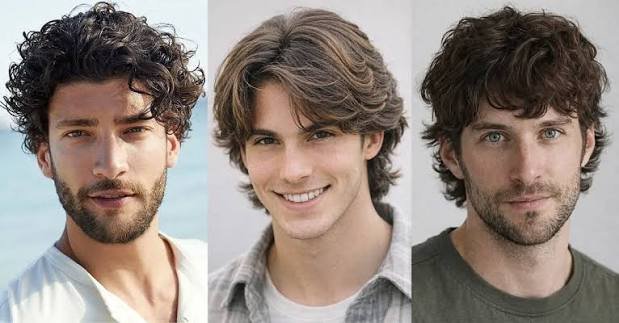
Long hair on men isn’t just a trend anymore. It’s a genuine style lane for 2026. This guide breaks down every popular cut, wave, and tie-back option.
You’ll learn what to ask your barber for each look. You’ll also learn how to style every option at home. By the end, you’ll know exactly which long hairstyle fits you.
What Makes a Long Hairstyle Work in 2026
Modern long hairstyles focus on cleaner shapes and intentional layers. Texture and movement matter more than sheer length alone. The best cuts grow out gracefully without losing their shape.
Barbers now shape long hair the same way they shape short cuts. This means fewer awkward growing-out phases between appointments.
Flowing and Natural Long Hairstyles
These styles work with your hair’s natural movement instead of fighting it. They suit men who want low-maintenance length with real personality.
Bro Flow (Medium-Long Natural Sweep)
The bro flow sits between effortless and put-together perfectly. It frames the face and softens harsh angles naturally. This cut also grows out gracefully without constant trims.
Ask your barber for medium-long layers with a soft neckline shape. Avoid heavy thinning or sharp disconnection between sections.
To style, work curl cream through damp mid-lengths and ends. Finger-rake hair back from the temples, then scrunch lightly.
Long Textured Waves
Textured waves add depth and movement instead of hanging flat. This look creates fuller-looking hair without teasing or heavy product.
Request layering designed to enhance your natural wave pattern. Ask for soft layers through mid-lengths to prevent a triangle shape.
Apply salt spray to damp hair as your main texture builder. Scrunch upward, twist a few sections, and let it air-dry.
Surfer Hair (Loose, Windy Texture)
Surfer hair signals cool confidence without looking overly styled. It works well across different hairlines since the front sits naturally.
Ask for minimal structure with strategic layering to prevent heaviness. Request softened ends that aren’t blunt or heavy.
Spray salt spray into damp hair and scrunch at mid-lengths. Air-dry for the most believable, windswept finish.
Long Hair with Natural Texture
Natural texture styles lean into what your hair already does well. This approach looks flexible across messy, neat, and in-between days.
No specific barber request needed since this celebrates existing texture. Regular trims keep the shape healthy as it grows.
Work a lightweight texture spray into damp hair gently. Scrunch to encourage your pattern, then air-dry without over-touching.
Layered Long Hairstyles
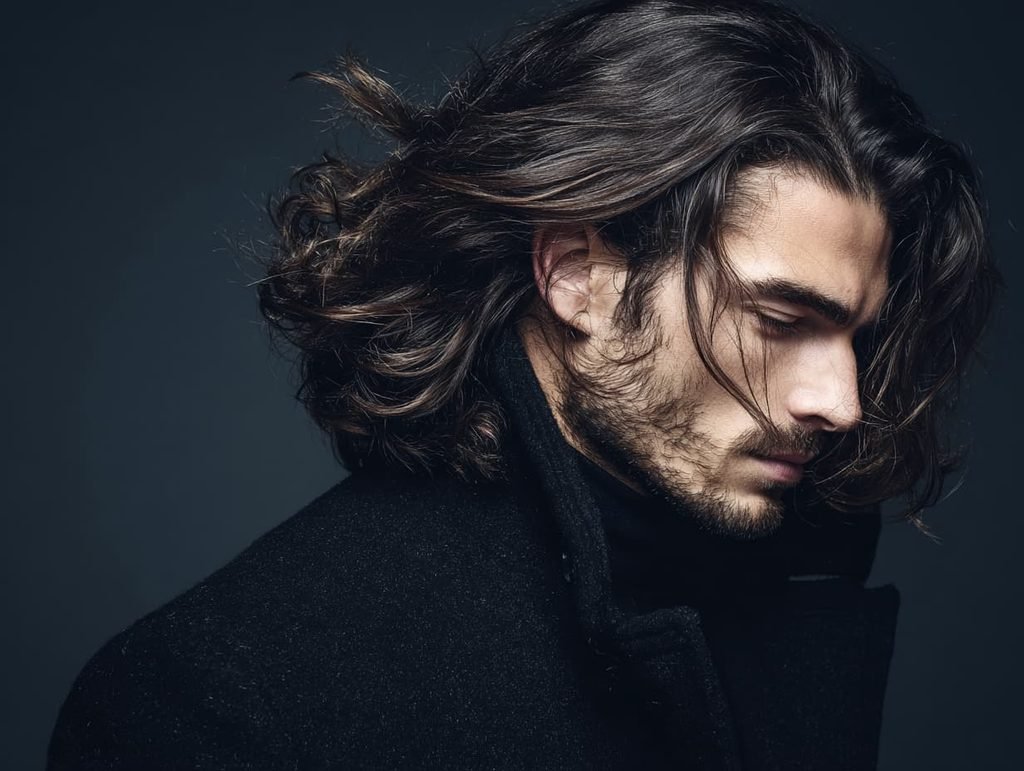
Layers solve the biggest problem with long hair: heaviness. These cuts add shape, lift, and movement throughout.
Shoulder-Length Layered Cut
Layers make shoulder-length hair look intentional rather than flat and heavy. This prevents hair from dragging the face down.
Ask for medium-to-long layers throughout for consistent movement. Request soft, not blunt, ends with bulk removed if thick.
Mist hair with salt spray, then separate layers using your fingers. Air-dry for softness, or blast with low heat while lifting.
Modern Shag (Long, Layered, Lived-In)
The modern shag adds edge without forcing a dramatic fashion statement. Layers reduce weight and create rock-inspired texture throughout.
Request visible layers throughout with lighter, textured ends. Ask for volume at the crown rather than a flat top.
Spray salt spray into damp hair, then rough-dry with your hands. Twist and release a few face-framing pieces once dry.
Wolf Cut (Long Shag + Edge)
The wolf cut blends long length with bold, structured shape. Shorter crown layers create lift while longer sides stay versatile.
Ask for shorter crown layers with longer, textured side lengths. Request softer transitions if you want a more everyday look.
Apply curl cream through mid-lengths and crown on damp hair. Rough-dry for volume, then pinch crown layers for definition.
Long Curly Layers
Curly layers prevent bulk while letting natural curls stack with bounce. This shape makes curls look premium rather than unintentional.
Request curl-friendly layering to remove bulk and add shape. Ask for a clean neckline without aggressive razoring on ends.
Use curl cream on damp hair, raking through evenly first. Scrunch upward to set shape and prevent triangle bulk.
Sleek and Polished Long Hairstyles
These looks give long hair instant structure and authority. They work especially well for professional or formal settings.
Long Slick Back
The slick back gives long hair controlled direction and confidence. It looks composed enough for work, events, or dates easily.
Ask for clean perimeter maintenance with minimal layering. Request a neat neckline so the style looks sharp from behind.
Apply pomade evenly on towel-dried hair, then comb straight back. Blow-dry backward on low heat for extra staying power.
Long Side Part (Classic Sweep)
A defined side part adds instant polish without over-styling the length. It offers versatility between neat, relaxed, and pushed-back looks.
Request a defined natural part with subtle supporting layers. Ask for extra weight near the part line for stability.
Use putty on dry-to-damp hair for structure without stiffness. Set the part with a comb, then sweep the top back.
Wet-Look Long Hair (High Shine Statement)
The wet look turns length into an editorial-level statement. High shine defines strands and photographs exceptionally well.
Ask for clean ends with minimal fraying for smooth shine. Request a strong top that avoids aggressive thinning.
Apply salt spray first for texture, then comb everything back. Blow-dry backward on low heat to lock the shape in.
Face-Framing Long Hairstyles
These styles highlight cheekbones and jawline through strategic length placement. They flatter most face shapes effectively.
Curtain Bangs (Long Middle Part)
Curtain bangs bring shape without needing dramatic layering or upkeep. They work across straight, wavy, and curly textures equally well.
Ask for a middle part with face-framing layers from the cheekbones. Request curtain pieces that fall to the sides, not straight bangs.
Spray salt spray into damp hair, focusing on the front. Blow-dry forward, then split and guide each side outward.
Long Wavy Hair with a Side Sweep
This style opens the face while waves add masculine texture. The sweep creates a natural leading line toward your features.
Request soft layers supporting wave pattern without end bulk. Ask for a side-swept shape that tucks behind one ear.
Mist damp hair with salt spray, then comb into an off-center direction. Use fingers to separate waves for a natural look.
Long Hair Tucked Behind the Ears (Clean Minimalist)
Tucking hair behind the ears opens the face fast and simply. This low-effort look still reads sharp and intentional.
Ask for soft layers that sit cleanly around the ears. Request a tidy perimeter for a polished, natural fall.
Use a small amount of pomade on damp hair for control. Comb back, tuck behind ears, then smooth the top lightly.
Tied-Back Long Hairstyles
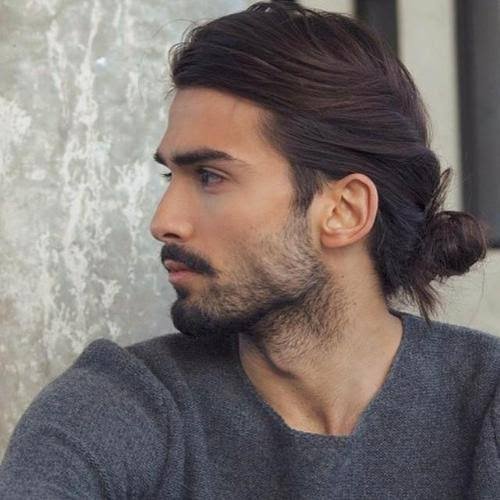
Tying hair back solves the practical challenge of managing serious length. These styles balance function with real style.
Half-Up, Half-Down
This style solves hair falling into your face while showing off length. It reads confident whether your hair is straight, wavy, or curly.
Ask for layers that keep the top section light when tied. Request soft face-framing pieces for a natural release.
Spray salt spray on damp hair for grip before tying. Pull the upper half back using your hands, then smooth flyaways.
Classic Man Bun (Full Bun)
The man bun offers practical control that still looks stylish. Modern versions sit naturally without looking overly tight.
Request a clean neckline with light layering for smooth tying. Ask for subtle debulking if your hair is very thick.
Use a thickening product on damp hair before tying back. Brush back to remove bumps, then tie with steady tension.
Low Man Bun (More Mature, More Clean)
The low bun reads more refined and professional than a high bun. It flatters more face shapes since it adds no height.
Ask for a neat neckline with minimal bulk near the nape. Request soft layers rather than heavy texturizing if hair frizzes.
Apply paste to damp hair to smooth flyaways first. Comb back and down, then tie low and pat baby hairs down.
Samurai Top Knot
This bold, structured look shows off the jawline while keeping hair controlled. It pairs especially well with beards and sharper clothing.
Request enough crown length to tie high comfortably. Ask for cleanup around the neckline for an intentional shape.
Prep damp hair with a thickening product to reduce frizz. Gather high on the crown, then tie firmly and smooth sides.
Men’s Ponytail (Clean and Practical)
The ponytail is the simplest confident move for long hair. Modern versions look deliberate rather than thrown back carelessly.
Ask for a clean perimeter so the ponytail looks neat. Request gentle layering if your hair is thick for smooth gathering.
Use a thickening product on damp hair to avoid limpness. Comb back smoothly, then tie at your preferred height.
Braided Long Hairstyles
Braids combine practical protection with bold visual style. They work especially well for active lifestyles and humid weather.
Braids (Two Braids / Boxer Braids)
Braids protect hair while cutting down tangling and frizz significantly. They carry a strong, expressive identity signal for men.
Ask for clean, even parting that matches your head shape. Request guidance on tension for comfort versus longevity.
Apply a hair treatment oil to damp hair before braiding. Detangle, part cleanly, then smooth the hairline after finishing.
Box Braids (Long, Clean, High-Impact)
Box braids stay sharp for weeks while protecting hair from manipulation. They reduce tangling once hair passes shoulder length.
Request consistent section size with clean, even parting throughout. Ask for your preferred thickness and a neat hairline finish.
Use a small amount of treatment oil on the hairline. Smooth over parts and edges, reapplying to dry ends periodically.
Long Dreadlocks
Dreadlocks make a bold, personal statement rooted in cultural significance. Mature locs become easier to manage than loose long hair.
Ask a loctician about your hair type and desired loc size. Request guidance on retwist timing and scalp care.
Use treatment oil sparingly on the outer surface and ends. Avoid saturating the roots to prevent unwanted buildup.
Bold and Statement Long Hairstyles
These cuts make a clear personality statement through shape and contrast. They suit men wanting long hair with a real edge.
Man Bob (Jaw-to-Neck Length)
The man bob offers structure without committing to extreme length. It strongly frames the face and highlights bone structure.
Ask for jaw-to-neck length with soft, bulk-preventing layers. Request textured, not blunt, ends for a modern finish.
Mist damp hair with salt spray for light grit. Comb through, finger-rake to separate layers, then air-dry softly.
Modern Mullet (Long Back, Softer Blend)
The modern mullet updates a rebellious classic with softer, wearable lines. It creates a strong contrast between face-framing volume and back length.
Request a soft blend through the sides and crown. Tell your barber how bold you want the contrast to read.
Work clay into dry hair at the crown and ends. Focus on back length first, then lift crown layers for texture.
Long Undercut (Length Up Top, Clean Sides)
The undercut pairs dramatic top length with clean, controlled sides. This contrast feels sharp and works well in hot weather.
Ask for a long top length with a clean, consistent side length. Request your preferred disconnection level between top and sides.
Use putty on dry hair for grip without shine. Sweep back or to the side, pinching ends for separation.
Long Quiff (Volume Up Front)
The quiff keeps length while adding a lifted, confident front shape. It works both messy-casual and clean-controlled depending on styling.
Request layering that supports volume specifically at the front. Ask for a long fringe that lifts and sweeps back.
Build volume with salt spray focused at the hairline. Blow-dry upward and back, keeping the finish slightly imperfect.
How to Grow and Maintain Long Hair
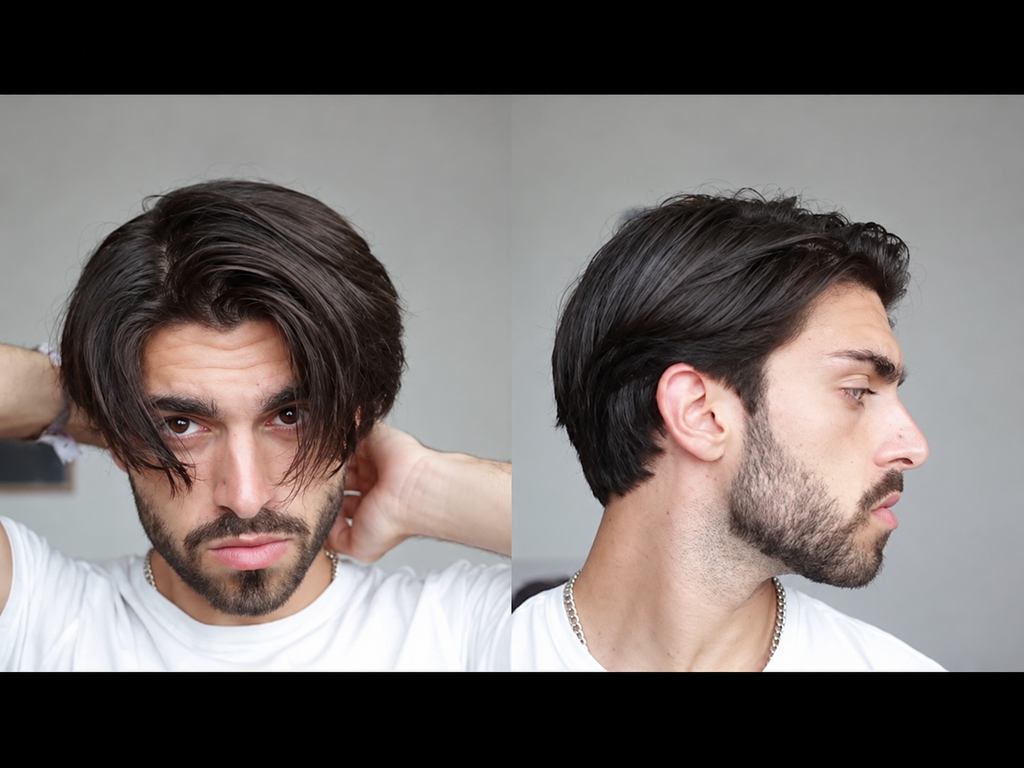
Growing long hair successfully takes more than simply avoiding the barber. Proper shaping throughout the process prevents awkward, bulky phases.
What to Ask Your Barber for a Long Cut
Being specific with your barber produces far better results consistently. Vague requests often lead to disappointing, shapeless outcomes.
Key things to mention include:
- Desired length and layer placement
- Soft versus blunt ends
- Debulking needs for thick hair
- Neckline and perimeter cleanup preferences
Trim Schedule and Upkeep Tips
Regular trims every eight to twelve weeks keep growing hair shaped. This removes split ends without sacrificing overall length.
| Hair Goal | Trim Frequency | Focus Area |
| Growing out | Every 8-12 weeks | Shape, not length |
| Maintaining length | Every 6-8 weeks | Split ends, perimeter |
| Thick hair | Every 8 weeks | Debulking, layers |
Best Products for Styling Long Men’s Hair
The right product depends entirely on your hair type and desired finish. Long hair generally needs lightweight control over heavy buildup.
| Product Type | Best For | Finish |
| Sea salt spray | Texture and lift | Matte, beachy |
| Curl cream | Curly or wavy hair | Defined, soft |
| Clay or paste | Separation, layers | Matte, textured |
| Pomade or gel | Slicked-back looks | Shine, control |
| Thickening spray | Fine or thin hair | Body, volume |
Frequently Asked Questions About Long Hairstyles for Men
What are the best long hairstyles for men right now?
Popular options include the bro flow, shoulder-length layers, wolf cut, curtain bangs, and clean man buns.
How do I grow long hair without it looking awkward?
Get maintenance trims every eight to twelve weeks. Light layering prevents the heavy, triangle-shaped look during growth.
What’s the best long hairstyle for thick hair?
Layered cuts like the shag, wolf cut, or shoulder-length layers work best. Layers remove weight and add movement.
What’s the best long hairstyle for thin hair?
Bro flow, curtain bangs, and long slick backs work well. Keep layering subtle to preserve overall density.
How often should men with long hair get a haircut?
Every eight to twelve weeks for shaping and split-end removal, even while growing hair out longer.