
 By Rbia Eman
Coloring hair naturally sounds appealing, but where do you start? Chemical dyes work fast, but they often damage hair over time. Natural hair dye offers a gentler path to beautiful color.
This guide explains exactly how natural dyes work and differ. You’ll learn which ingredients suit your hair color best. By the end, you’ll be ready to try it yourself.
What Is Natural Hair Dye?
Natural hair dye uses plant extracts, minerals, and other nature-based ingredients. These formulas avoid harsh chemicals like ammonia and peroxide entirely. They offer a gentler way to color hair beautifully.
How Natural Dye Differs from Chemical Hair Dye
Chemical dyes change hair color from within the hair shaft. Natural dyes instead add tint to the surface gradually. This creates a softer, more subtle color transition over time.
Commercial dyes can contain thousands of different synthetic chemicals. Some of these have even been linked to health concerns. Natural pigments offer a nontoxic alternative without sacrificing beautiful results.
A Brief History of Natural Hair Coloring
Herbal hair coloring isn’t a new trend at all. This technique dates back roughly four thousand years historically. Ancient cultures used plants like henna for both color and care.
Modern interest has revived this tradition as a clean beauty movement. People increasingly want sustainable, chemical-free alternatives for everyday products.
Benefits of Using Natural Hair Dye
Natural hair dye offers advantages beyond simply avoiding harsh chemicals. These benefits extend to hair health, scalp comfort, and the environment.
Healthier, Stronger, and Shinier Hair
Natural dyes often nourish and condition hair while coloring it. Henna, for example, strengthens the hair shaft with regular use. This leads to thicker, shinier, and more resilient strands over time.
Unlike chemical formulas, natural dyes work with your hair’s structure. They don’t strip or damage the way harsh chemicals can.
Gentler on Scalp and Skin
The absence of ammonia and sulfates reduces scalp irritation significantly. This makes natural dye ideal for sensitive skin or scalp conditions. People with eczema often tolerate natural formulas much better.
Reduced irritation also means less discomfort during and after application. This comfort makes the coloring process considerably more pleasant.
Eco-Friendly and Sustainable
Plant-based dyes are gentler on the environment than synthetic alternatives. They avoid the harsh runoff chemicals associated with conventional hair color. Choosing natural dye supports a more sustainable beauty routine.
This eco-conscious choice appeals to environmentally aware consumers increasingly. It reflects a broader shift toward sustainable personal care.
Best Natural Hair Dye Ingredients
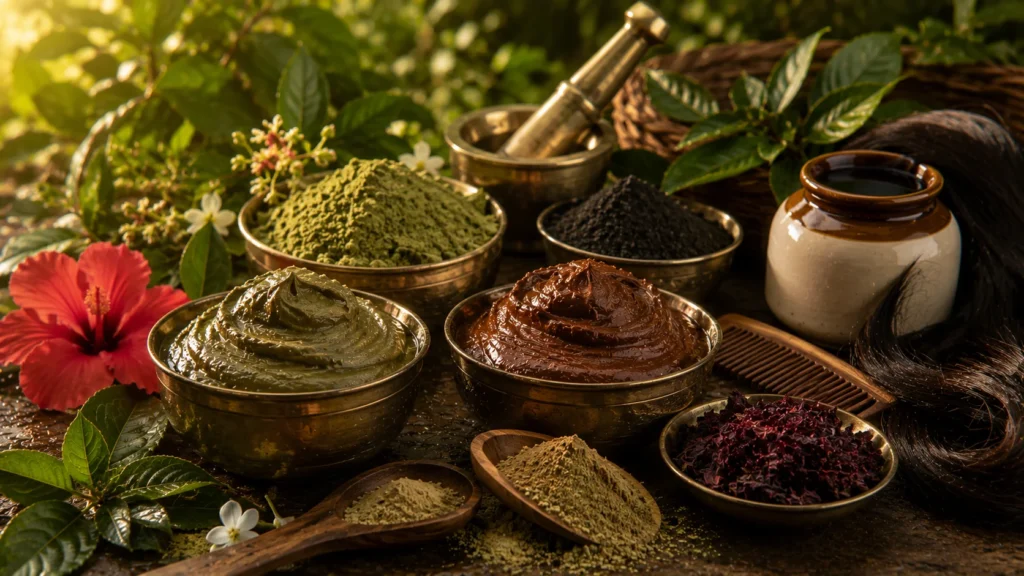
Several plant-based ingredients dominate the natural hair dye space. Each one offers distinct tones and additional hair benefits.
| Ingredient | Color Result | Best For |
| Henna | Red to reddish-brown | Adding warmth, conditioning |
| Indigo | Brown to black | Darkening, combined with henna |
| Beet juice | Subtle red or pink | Light, temporary tinting |
| Coffee | Deeper dark tones | Enhancing brunette shades |
| Chamomile tea | Golden highlights | Brightening blonde hair |
| Lemon juice | Natural lightening | Sun-activated highlights |
| Rhubarb root | Golden, light brown | Blondes and light brunettes |
| Amla and cassia | Subtle color, conditioning | Gray coverage, hair health |
Henna for Red and Reddish-Brown Tones
Henna is perhaps the best-known natural hair dye available today. It stains hair a deep red to reddish-brown shade. The exact result depends on your natural hair color.
Henna doesn’t lighten hair under any circumstances whatsoever. Instead, it darkens or enriches your existing color naturally. It also works as a genuine hair conditioner simultaneously.
Indigo for Brown and Black Shades
Indigo works particularly well when combined with henna first. Together, they create rich brown and even black shades. This combination is popular for deeper, more dramatic color results.
Using indigo alone typically produces less predictable results. Pairing it with henna gives more control over the final tone.
Amla and Cassia for Conditioning and Subtle Color
Amla brings noticeable benefits beyond simple coloring effects. It can bring color back to gray and white hair specifically. Amla also stimulates healthy hair growth with consistent use.
Cassia, sometimes called neutral henna, provides conditioning without major color change. It’s perfect for those wanting subtle golden highlights instead.
Beet Juice for Red and Pink Hues
Beet juice adds a subtle red or pinkish tint naturally. This option works best for temporary, low-commitment color changes. Results tend to be lighter and less permanent than henna.
Coffee for Deepening Dark Hair
Coffee deepens dark hair tones while adding a glossy finish. This makes it a favorite for brunettes wanting richer color. It’s simple, affordable, and easy to prepare at home.
Chamomile Tea for Golden Highlights
Chamomile brightens hair and enhances natural golden highlights beautifully. It works best on light blonde to blonde hair specifically. Brown hair sees a subtle brightening effect too.
Lemon Juice for Natural Lightening
Lemon juice lightens hair when combined with sunlight exposure. This method lightens existing pigment rather than removing it completely. Results are gradual and depend on sun exposure levels.
Rhubarb Root for Golden and Light Brown Tones
Rhubarb root offers beautiful golden and light brown tones naturally. It’s prepared by simmering the root in water first. This creates an extract applied as a rinse or paste.
This gentle option suits blondes and light brunettes particularly well. It conditions the hair shaft while providing subtle color enhancement.
Choosing the Right Natural Dye for Your Hair Color
Different natural dyes produce different results depending on your starting shade. Matching the ingredient to your hair color improves outcomes significantly.
Best Options for Blonde and Light Hair
Chamomile and lemon juice work particularly well on lighter hair. They naturally lighten and add subtle golden warmth. Henna will add red tones rather than blonde highlights though.
Best Options for Brown and Dark Hair
Henna and indigo combinations suit darker hair beautifully well. Coffee also deepens and enriches existing brunette tones effectively. Dark hair generally holds natural color more dramatically.
Best Options for Covering Gray Hair
Henna and indigo are commonly used to cover gray hair. Amla similarly helps bring color back to graying strands. Results vary, so a strand test remains essential first.
Gray hair always stays lighter than hair with existing pigment. This means results on gray sections may differ slightly.
How to Dye Your Hair Naturally at Home
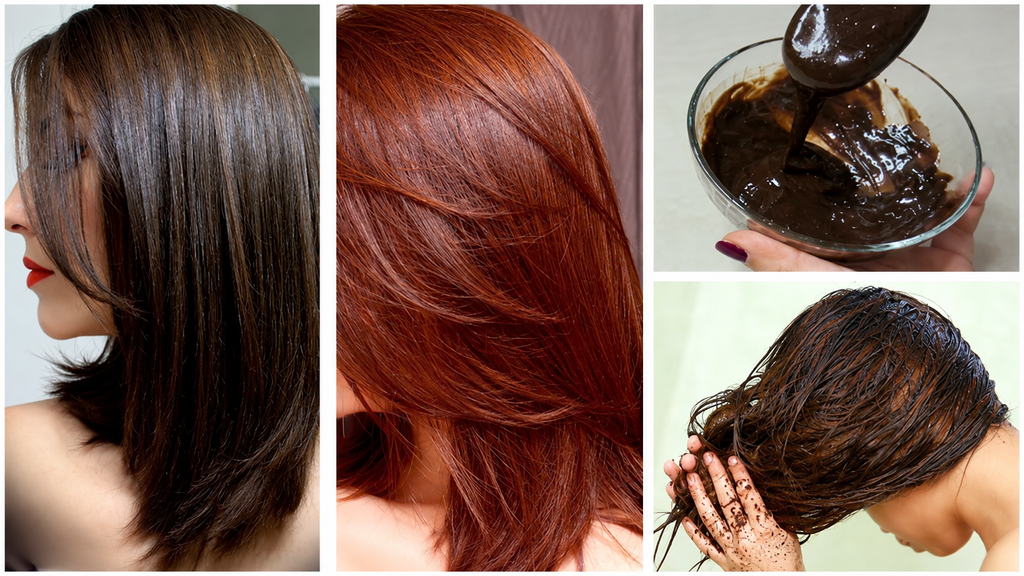
Natural hair dyeing follows a straightforward process with proper preparation. Following these steps carefully improves your final results significantly.
Step-by-Step Application Process
Follow this general process for most natural hair dye ingredients:
- Choose your ingredient based on desired shade and hair color
- Perform a patch test to check for reactions
- Prepare the dye as a paste, rinse, or extract
- Apply to clean, dry hair section by section
- Leave on for the recommended time per ingredient
- Rinse thoroughly and follow with a gentle conditioner
How to Do a Patch and Strand Test
Testing before full application prevents unwanted surprises later. Apply a small amount to the skin and wait 24 to 48 hours. This checks for allergic reactions or sensitivities beforehand.
A strand test on a small hair section shows the actual color result. This step is especially important with henna and indigo combinations.
How Long Does Natural Hair Dye Last?
Natural hair dye typically lasts two to six weeks per application. Several factors influence exactly how long color remains visible.
Factors That Affect Color Longevity
Longevity depends on several variables working together. These include:
- The specific ingredient used for coloring
- Your individual hair type and porosity
- How frequently you wash your hair
- Exposure to sun, chlorine, or heat styling
How Often You Can Safely Reapply
Natural dyes can generally be reapplied every two to four weeks. This frequency depends on your desired color intensity. More frequent application builds deeper, more lasting color over time.
Natural Hair Dye vs Chemical Hair Dye
Understanding the differences helps you make an informed coloring choice. Both options have distinct advantages depending on your priorities.
Safety and Health Considerations
Natural dyes avoid ammonia, peroxide, and other harsh synthetic chemicals. This reduces the risk of scalp irritation and allergic reactions. Chemical dyes work faster but carry more potential side effects.
Are All “Natural” Labeled Dyes Truly Chemical-Free?
Not every product labeled “natural” is completely chemical-free unfortunately. Some avoid peroxide or ammonia but still include other additives. Always check ingredient labels carefully before purchasing any product.
Aftercare Tips for Naturally Dyed Hair
Proper aftercare helps natural color last longer and look better. A few simple habits make a meaningful difference over time.
Consider these aftercare practices:
- Use shampoos and conditioners formulated for color-treated hair
- Wash hair less frequently to preserve color longevity
- Avoid excessive heat styling that can fade natural tint
- Apply hair oil regularly to maintain shine and moisture
- Protect hair from prolonged direct sun exposure
Conclusion
Natural hair dye offers a genuine alternative to harsh chemical formulas. Ingredients like henna, indigo, and chamomile deliver real color and conditioning together. The process requires more patience, but the health benefits are considerable.
Choosing the right ingredient for your hair color matters most. Always patch tests first, and expect gradual, natural-looking results. With consistent use, natural hair dye becomes a rewarding, sustainable coloring habit.
Frequently Asked Questions About Natural Hair Dye
Can natural hair dye cover gray hair completely?
Yes, henna and indigo commonly cover gray hair effectively. Results vary, and gray sections often appear slightly lighter.
How long does natural hair dye last?
Natural dyes typically last two to six weeks. This depends on your hair type and washing frequency.
Is natural hair dye safe for sensitive scalps?
Generally yes, since it avoids ammonia and harsh chemicals. Always patch test first to rule out sensitivities.
Can I lighten my hair with natural hair dye?
Chamomile and lemon juice can naturally lighten hair somewhat. They work by lightening pigment, not removing it like bleach.
How often can I safely use natural hair dye?
You can typically reapply every two to four weeks. This depends on your desired color intensity and hair health.