
 By Rbia Eman
Beating your personal best feels genuinely satisfying for any runner. Whether you’re new to running or a seasoned marathoner, speed matters. The right exercises can transform your race times significantly.
This guide covers ten proven exercises to build real speed. You’ll also learn how to measure your current pace accurately. By the end, you’ll have a complete speed-training toolkit.
Understanding Your Baseline Running Pace
Before improving your speed, you need to know your starting point. Measuring your baseline helps track real progress over time.
Measuring Your Sprinting Speed Over 400 Metres
A standard running track measures exactly 400 metres in length. Time yourself running this distance at your top speed. Repeat monthly to monitor genuine improvement over time.
This method gives a clear, measurable benchmark for comparison. It works well whether you’re a beginner or experienced runner.
Counting Your Steps Per Minute
Step cadence offers a more race-realistic pace measurement method. Run your regular route at your normal, comfortable pace. Count right-foot strikes for one minute, then double that number.
Professional long-distance runners typically maintain around 180 steps per minute. As your speed improves, this number should naturally increase too.
10 Best Exercises to Improve Running Speed
Runners at any experience level can benefit from these exercises. Always build up gradually and include rest days between sessions.
1. Interval Training
Interval training improves your anaerobic capacity and running efficiency significantly. This helps you run faster for longer periods overall.
How to do it:
- Measure your heart rate; ensure it’s below 120 BPM
- Sprint at maximum effort for 200 metres
- Rest until your heart rate drops below 120 BPM
- Repeat this cycle five times total
Track your times across sessions to monitor real improvement. After a few weeks, your intervals should get noticeably faster.
2. Mix Sprints Into Your Long Runs
This technique builds speed work directly into distance training. Sprinting periodically trains your body to handle pace changes.
How to do it:
- Run 900 metres at your normal, comfortable pace
- Sprint the next 100 metres at high effort
- Return to normal pace for another 900 metres
- Repeat this pattern throughout your entire run
Adjust the distances based on your total run length. This method works for both kilometre and mile-based training.
3. Increasing Stride Length and Cadence
Running faster ultimately comes down to cadence and stride length. Several targeted drills improve both factors simultaneously.
| Drill | Focus Area | How It Helps |
| Pocket run | One-leg sprinting | Isolates and strengthens single-leg drive |
| High knees run | Leg strength | Builds sprint-specific muscle power |
| Resistance sprints | Cadence | Trains legs to move at higher frequency |
Pocket run: Place one hand in your pocket, freezing that side. Sprint using only your opposite leg and arm. This isolates and builds single-side sprinting power.
High knees run: Drive your knees up to nearly horizontal. Keep strides short with a rapid, exaggerated cadence. Perform for 30 metres, pause, then repeat.
Resistance sprints: Use a resistance harness or drag a sled. This trains your legs to move at higher frequency. The added resistance builds genuine sprinting power.
4. Skipping Rope Workouts
Skipping rope builds fast feet while strengthening your core simultaneously. Faster feet translate directly into faster overall running speed.
How to do it:
- Skip for one minute using standard back-to-front jumps
- Rest for 15 seconds between exercises
- Complete one minute of slalom skipping side to side
- Rest again, then finish with running-skip motions
This workout engages fast-twitch muscles that sprinting requires directly. Add variety as your confidence and skill level grow.
5. Fartlek Training
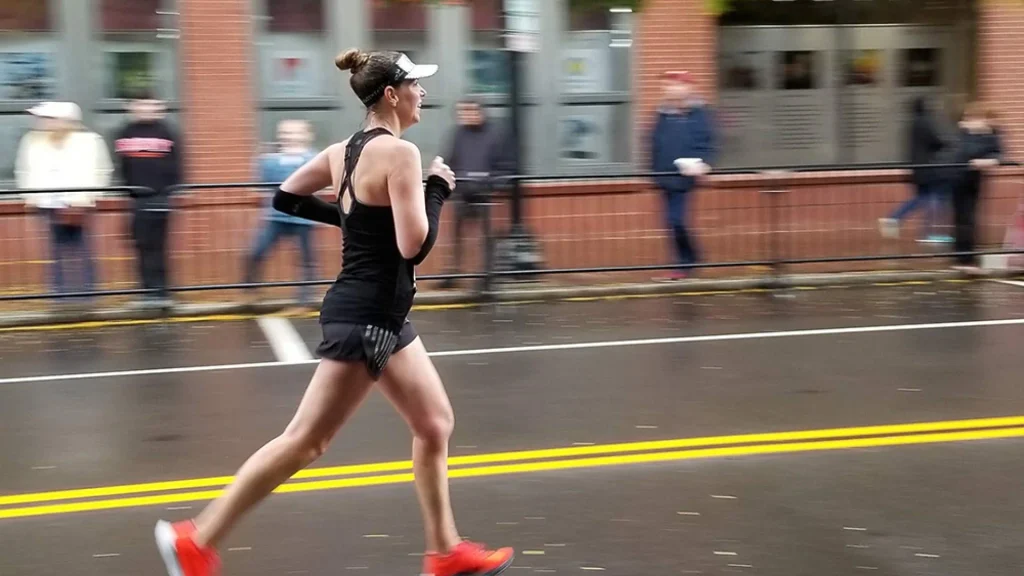
Fartlek training takes a relaxed, playful approach to interval running. It mixes speed and distance without rigid structure.
How to do it:
- Warm up, then choose a visible “destination” outdoors
- Sprint toward that point, then jog slowly afterward
- Choose a new target once you’ve caught your breath
- Continue mixing distances throughout your run
This flexible method suits beginners particularly well overall. It requires no special equipment and feels genuinely enjoyable.
6. Hill Sprints
Hill sprints use gravity’s natural resistance to build real speed. The incline also forces better running form automatically.
How to do it:
- Warm up with a gentle, easy run first
- Find a hill with a reasonably challenging gradient
- Sprint from the bottom to a chosen end point
- Walk back down, then repeat five times total
As you progress, increase distance, reps, or overall speed. Hill sprints remain one of the most effective speed exercises.
7. Plyometric Drills
Plyometric exercises train fast-twitch muscle fibres through explosive movement. These fibres matter most during short bursts of speed.
Box jumps: Stand facing a stable box or step. Swing your arms, then jump up onto it. Land softly, stand tall, then step back down.
Jump squats: Squat down, then explosively jump upward. Land softly on the balls of your feet. Repeat this motion twenty times total.
Jump lunges: Lunge forward, then jump and switch legs mid-air. Land in the opposite lunge position smoothly. Repeat fifteen times per leg.
8. Ladder Drills
Ladder drills gradually increase sprint distances to build speed endurance. This method trains your body to handle longer fast efforts.
How to do it:
- Sprint 200 metres, then jog 200 metres to recover
- Increase to 250 metres of sprinting and jogging
- Continue climbing by 50 metres per session
- Reach 500 metres, then descend back down
This structured progression builds both speed and stamina together. It works well for track-based training sessions specifically.
9. Tempo Runs
Tempo runs train your body to clear lactate more efficiently. This allows faster running for longer stretches of time.
How to do it:
- Choose a specific distance or time, like 20 minutes
- Run at a pace that feels “comfortably hard”
- Avoid going all-out; stay just below your limit
- Repeat regularly, tracking pace improvements over time
This pace should feel challenging without leaving you breathless. You shouldn’t be able to hold a full conversation.
10. Build Your Strength
Strength training builds the power needed for explosive running bursts. Stronger muscles translate directly into faster running speed.
Common strength exercises for runners include:
- Weighted lunges
- Squats
- Burpees
- Donkey kicks
These exercises complement speed-specific drills effectively overall. Combining both approaches produces the best long-term results.
How Running Shoes and Clothing Can Help Your Speed

Your gear plays a real role in running performance too. The right choices can meaningfully support your speed training.
Lightweight running shoes with responsive foam soles help propel you forward. Some shoes even feature carbon plates for extra propulsion. Breathable, moisture-wicking clothing also reduces friction and unnecessary weight.
How Often to Train for Speed Without Risking Injury
Speed training demands proper recovery time between hard sessions. Overdoing it increases injury risk and hampers real progress.
If training for a specific race, limit speed work to once weekly. Your body needs adequate recovery time between intense sessions. This balance prevents fatigue while still building genuine speed gains.
Conclusion
Improving running speed comes down to consistent, varied training methods. Interval training, hill sprints, and plyometrics all build genuine speed. Strength training and proper recovery support these efforts effectively too.
Start with exercises matching your current experience level honestly. Fartlek training suits beginners particularly well as a starting point. Build gradually, track your progress, and stay patient with results.
With consistent effort across these ten exercises, real improvement follows. Your personal best times are well within reach.
Frequently Asked Questions About Exercises to Improve Running Speed
How often should I do speed-enhancing exercises?
Limit speed work to once weekly if training for a race. Your body needs recovery time to avoid injury and fatigue.
What’s the difference between strength training and speed drills?
Both build muscle, including fast-twitch fibres. Speed training targets faster running specifically, while strength training builds general resilience.
What are good speed exercises for beginners?
Fartlek training works particularly well for beginners. It requires no equipment and can be done anywhere comfortably.
What exercises build leg strength for running speed?
Squats, lunges, calf raises, donkey kicks, and single-leg deadlifts all build the leg strength needed for speed.
How long before I notice results from speed training?
Many runners notice improvement within a few weeks of consistent practice, especially with interval and hill training.