
 By Rbia Eman
Every growing business needs clear direction for its money decisions. Financial planning and analysis, or FP&A, provides exactly that direction. This guide explains everything you need to know about FP&A.
You will learn what FP&A actually does day to day. You will also learn how it differs from traditional accounting. By the end, you will understand why FP&A matters so much.
What Is Financial Planning and Analysis?
Financial planning and analysis is the forward-looking side of finance. It focuses on budgeting, forecasting, and strategic planning activities. FP&A teams analyze data to guide smart business growth.
Core Definition and Purpose of FP&A
FP&A is a set of strategic activities supporting financial health. These activities include planning, budgeting, forecasting, and detailed analysis. Together, they help companies grow profitably and sustainably.
The purpose is simple: connect financial data to business strategy. FP&A tells business leaders where they stand financially. It also shows them where they’re headed next.
How FP&A Fits Into the Finance Function
Finance departments handle many different responsibilities across an organization. FP&A represents the analytical, forward-thinking piece of this puzzle. It works alongside accounting, treasury, and other finance teams.
While other teams record and manage money, FP&A predicts outcomes. This predictive role makes FP&A essential for strategic decision-making. Business leaders rely heavily on FP&A insights daily.
FP&A vs Accounting: Key Differences
Many people confuse FP&A with traditional accounting work. Understanding the difference clarifies why both functions matter separately.
Backward-Looking vs Forward-Looking Focus
Accounting focuses on recording what already happened financially. This includes tracking transactions and ensuring regulatory compliance. Accountants produce standardized financial statements from historical data.
FP&A instead asks what will happen in the future. This forward-looking perspective requires different analytical skills entirely. Scenario modeling and trend analysis become essential tools here.
| Aspect | Accounting | FP&A |
| Time focus | Historical (past) | Forward-looking (future) |
| Main goal | Compliance and accuracy | Strategic decision support |
| Key outputs | Financial statements | Forecasts and models |
| Core question | What happened? | What will happen next? |
Roles and Responsibilities Compared
Accountants ensure every transaction gets recorded correctly and legally. FP&A analysts instead build models predicting future company performance. Both roles require strong financial knowledge and attention to detail.
FP&A professionals often work closely with department heads too. This collaboration helps create realistic, achievable financial targets together.
Core Functions of FP&A
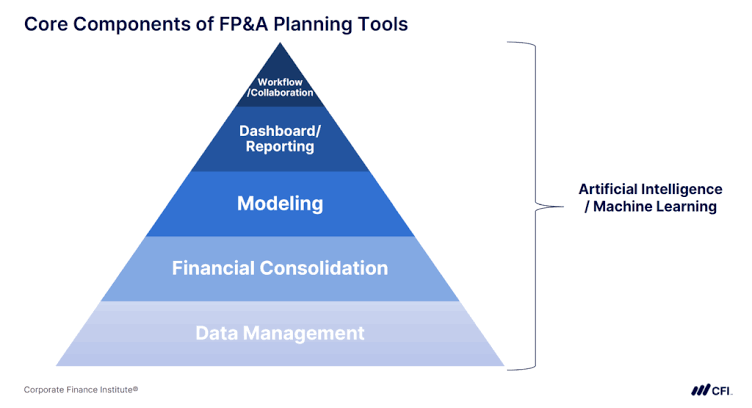
FP&A covers several distinct but interconnected financial activities. Each function plays a unique role in business strategy.
Budgeting and Annual Planning
Annual budgeting sets financial targets for the entire organization. This process involves collaborating with every department head individually. Together, they create realistic revenue and expense projections.
Budgets become the North Star guiding operations all year. Every department aligns its spending against these agreed targets.
Financial Forecasting
Forecasting updates predictions as new information becomes available regularly. Rolling forecasts adapt continuously to changing business conditions. This flexibility helps companies respond quickly to market shifts.
Common forecasting elements include:
- Revenue projections based on sales trends
- Cash flow predictions for liquidity planning
- Expense forecasts across all departments
- Headcount and hiring plan projections
Financial Modeling
Financial models turn business data into mathematical representations. These models help analysts test different business scenarios objectively. The right model depends entirely on what’s being predicted.
Analysts use these models to build various financial projections. This includes revenue forecasts, cash flow estimates, and expense predictions.
Variance Analysis and Performance Management
Variance analysis compares actual results against original budget predictions. This comparison reveals where performance exceeded or missed expectations. Understanding these gaps helps teams adjust future strategies.
Performance management uses this data to track ongoing company health. Regular reviews keep everyone accountable to financial goals.
Strategic Planning and Scenario Analysis
Strategic planning connects financial data to long-term business goals. FP&A teams model different scenarios to prepare for uncertainty. This includes best-case, worst-case, and most-likely projections.
Scenario planning proves especially valuable during unpredictable economic periods. It helps leadership make informed decisions despite uncertainty.
The FP&A Process Explained
Understanding the FP&A workflow helps clarify how insights get generated. This process follows several distinct, connected stages.
Data Collection and Consolidation
Everything starts with gathering data from across the organization. This includes financial records, operational metrics, and market information. Consolidating this data creates a complete company picture.
Data silos often complicate this collection process significantly. Modern FP&A teams work to break down these barriers.
Analysis and Assumption Building
After collecting data, analysts make assumptions about future performance. These assumptions consider company goals like revenue growth or cost reduction. Financial models translate these assumptions into concrete numbers.
This analytical stage requires both technical skill and business judgment. Analysts must balance optimism with realistic expectations.
Reporting to Leadership and the Board
Final insights get compiled into clear, actionable reports. These reports go to the CFO, CEO, and board members. Public companies also face additional regulatory reporting requirements.
Annual forecasts typically include specific budget recommendations too. These recommendations guide department operations throughout the year.
Why FP&A Matters for Business Growth

FP&A isn’t just a back-office function anymore. It has become a genuine strategic partner to the business.
Supporting CFO and Executive Decisions
FP&A provides the analytical foundation for major executive decisions. CFOs rely on FP&A insights for strategic planning constantly. Without this support, decisions would rely on guesswork alone.
The CFO role has evolved significantly over recent years. FP&A now helps CFOs become true business partners.
Risk Mitigation Through Forecasting
Accurate forecasting helps identify potential risks before they escalate. This early warning system protects company resources proactively. Management can take preventive action based on these insights.
Missing a forecast can seriously damage investor and stakeholder confidence. Strong FP&A practices help companies avoid this costly mistake.
Optimizing Resource Allocation
FP&A ensures money gets allocated where it creates the most value. Detailed analysis prevents wasteful spending across departments. This optimization maximizes return on every dollar invested.
Resource optimization also means correctly funding growth opportunities. FP&A identifies which initiatives deserve additional investment.
Common Challenges in FP&A
Despite its importance, FP&A teams face real operational obstacles. Recognizing these challenges helps organizations address them proactively.
Data Silos and Fragmented Tech Stacks
Many companies struggle with data scattered across different systems. This fragmentation makes consolidation slow and error-prone. Nearly 87% of finance leaders say their FP&A needs improvement.
Breaking down these silos requires better technology integration. Connected systems allow for faster, more accurate analysis.
Keeping Pace With Business Change
Business conditions change faster than traditional FP&A processes sometimes. Annual budgets can become outdated within just a few months. This lag creates a gap between planning and reality.
Rolling forecasts help address this challenge more effectively. They allow continuous adjustment rather than rigid annual planning.
Tools and Technology Used in FP&A
Modern FP&A relies heavily on specialized software and platforms. These tools transform raw data into actionable business insights.
Financial Modeling Software
Dedicated FP&A platforms replace outdated spreadsheet-based processes increasingly. These tools offer better accuracy and collaboration features. They also integrate directly with other business systems.
Popular platform categories include:
- Integrated planning and budgeting software
- Cash flow and forecasting tools
- Scenario modeling applications
- Reporting and dashboard platforms
Automation and AI in Modern FP&A
Artificial intelligence increasingly supports FP&A forecasting and analysis work. Automation reduces time spent on manual data processing. This shift lets analysts focus more on strategic thinking.
Companies using these tools report spending more time analyzing. Meanwhile, less time gets wasted on basic data processing.
Careers in Financial Planning & Analysis
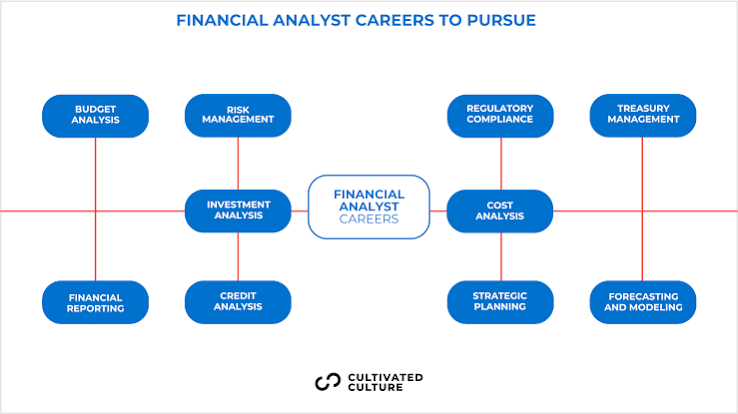
FP&A offers strong career opportunities for finance professionals. Growing demand makes this an attractive career path currently.
Common FP&A Job Roles
FP&A teams include several specialized positions at different levels. Entry-level analysts typically handle data collection and basic reporting. Senior roles focus more on strategy and leadership.
Typical FP&A career titles include:
- Financial Analyst
- Senior FP&A Analyst
- FP&A Manager
- Director of FP&A
- VP of Financial Planning and Analysis
Skills Needed for an FP&A Career
Successful FP&A professionals combine technical and interpersonal skills. Strong Excel and modeling abilities remain essential foundational skills. Communication skills matter equally for presenting insights clearly.
Key skills for FP&A success include:
- Financial modeling and forecasting expertise
- Data analysis and interpretation abilities
- Clear business communication skills
- Strategic thinking and problem-solving
- Familiarity with FP&A software platforms
FP&A Certifications
Professional certifications can strengthen your FP&A career significantly. These credentials demonstrate expertise to potential employers. They also often lead to better job opportunities.
Recognized certifications include the Certified Corporate FP&A Professional designation. This certification validates specialized planning and analysis knowledge.
Frequently Asked Questions About FP&A
What does FP&A stand for?
FP&A stands for Financial Planning and Analysis. It’s the forward-looking finance function focused on budgeting and forecasting.
Is FP&A the same as accounting?
No, accounting records historical transactions and ensures compliance. FP&A instead focuses on future predictions and strategic planning.
What skills are needed for an FP&A career?
Strong financial modeling, data analysis, and communication skills matter most. Familiarity with FP&A software also helps significantly.
Why is FP&A important for businesses?
FP&A connects financial data to strategy, guiding smarter business decisions. It also helps mitigate risk through accurate forecasting.
What tools do FP&A teams use?
FP&A teams use modeling software, forecasting tools, and reporting platforms. Many now incorporate automation and AI capabilities too.