
 By Rbia Eman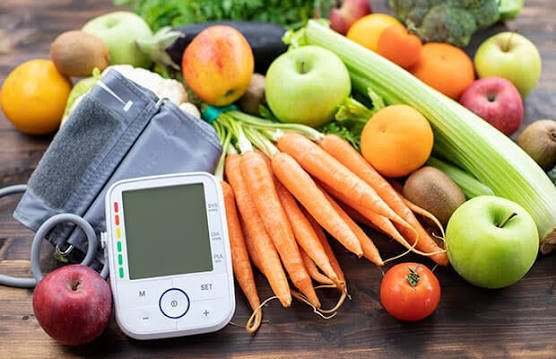
Blood pressure plays a huge role in your overall health. It keeps blood moving from your heart to every part of your body.
High blood pressure often shows no clear signs. Still, it can quietly damage your heart, brain, and kidneys over time.
The good news is simple. High blood pressure is easy to detect and often easy to manage too.
This guide explains what blood pressure is, why it matters, and how to control it. You will also learn when lifestyle changes are enough and when medication may help.
What Is Blood Pressure?
Blood pressure is the force of blood pushing against your artery walls. Your heart creates this force with every single beat.
Each heartbeat sends a wave of pressure through your arteries. Healthy, flexible arteries handle this pressure with ease.
The Two Numbers in a Blood Pressure Reading
A blood pressure reading has two parts. Each number tells doctors something different about your heart health.
- Systolic pressure is the top number. It shows the pressure when your heart beats and pumps blood out.
- Diastolic pressure is the bottom number. It shows the pressure in your arteries between heartbeats.
Blood pressure is measured in millimeters of mercury, written as mm Hg. A normal reading might look like 120/80 mm Hg.
High blood pressure occurs when one or both numbers rise too high. Doctors also call this condition hypertension.
Blood Pressure Categories Explained
Understanding your blood pressure category helps you know your risk level. Here is how doctors classify each range.
| Category | Systolic (mm Hg) | Diastolic (mm Hg) |
| Normal | Less than 120 | Less than 80 |
| Elevated | 120–129 | Less than 80 |
| Stage 1 hypertension | 130–139 | 80–89 |
| Stage 2 hypertension | 140 or higher | 90 or higher |
| Severe hypertension | Higher than 180 | Higher than 120 |
| Hypertensive emergency | Higher than 180 | Higher than 120 |
Severe hypertension without symptoms still needs a doctor’s attention right away. A hypertensive emergency with symptoms requires an immediate call to 911.
Warning Symptoms That Need Urgent Care
- Chest pain
- Shortness of breath
- Back pain
- Numbness or weakness
- Sudden vision changes
- Trouble speaking clearly
Any of these symptoms with very high blood pressure is a medical emergency. Do not wait to seek help if you notice them.
How Do I Know If My Blood Pressure Is High?
Hypertension usually causes no clear symptoms at all. This is why many people call it a “silent” condition.
Possible Symptoms of Very High Blood Pressure
- Headaches
- Dizziness
- Fatigue
- Shortness of breath
Even without symptoms, high blood pressure can quietly damage your body. It affects several major organs over time.
Organs Commonly Affected by High Blood Pressure
- The brain
- The eyes
- The heart
- The kidneys
- Arteries throughout the body
Many people only discover the damage after a major event. Heart attacks, strokes, and kidney failure often reveal years of silent harm.
This is exactly why regular blood pressure checks matter so much. Catching high blood pressure early can prevent serious complications later.
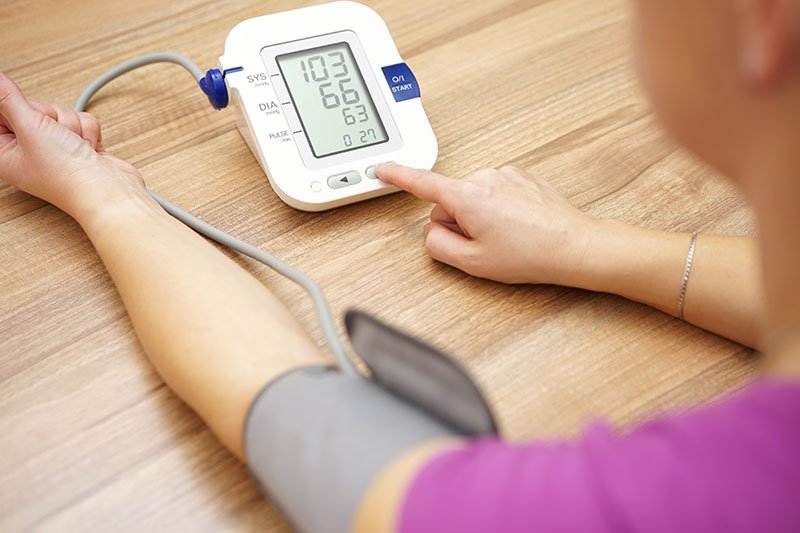
What’s the Best Way to Check Your Blood Pressure?
Accurate readings are essential for a correct diagnosis. Small mistakes during measurement can lead to misleading results.
Steps for an Accurate Blood Pressure Reading
Follow these steps whether you test at home or at a clinic.
- Avoid strenuous exercise for at least one hour before testing
- Avoid smoking before your reading
- Avoid eating for at least one hour beforehand
- Skip caffeinated drinks before the test
- Sit quietly for five minutes before measurement
- Keep both feet flat on the floor
- Keep your legs uncrossed during the reading
- Stay silent while your blood pressure is measured
- Take two readings and average the results
Following these steps helps ensure your results reflect your true blood pressure. Rushed or incorrect testing can give a false picture of your health.
Additional Tests After a High Reading
If your blood pressure is high, your doctor may check for early organ damage. Several tests can reveal how hypertension has affected your body.
| Test | What It Checks |
| Blood tests | Kidney function |
| Electrocardiogram (EKG) | Heart muscle thickness and rhythm |
| Chest X-ray | Heart size and fluid in the lungs |
| Eye exam | Blood vessel damage in the eyes |
These tests help doctors understand the full picture of your heart health. They also guide the right treatment plan for your needs.
Can High Blood Pressure Be Prevented?
Many cases of high blood pressure can be prevented through daily habits. Small, consistent changes often make a big difference over time.
Heart-Healthy Habits That Help Prevent Hypertension
- Get regular aerobic exercise
- Limit salt and alcohol intake
- Eat more fruits and vegetables
- Reduce saturated fat in your diet
- Avoid smoking completely
- Maintain a healthy body weight
These habits do more than protect your blood pressure. They also lower your risk of heart attack and stroke overall.
The Power of Diet Alone
Diet changes alone can significantly lower blood pressure. Some estimates show systolic pressure can drop by up to 11 points through diet changes.
This shows how powerful food choices really are. A heart-healthy diet works as a genuine form of treatment, not just prevention.
Watching Other Risk Factors Too
High blood pressure rarely travels alone. It often appears alongside other risk factors that raise heart disease risk.
- High LDL, or “bad,” cholesterol
- High blood sugar levels
- Excess body weight
- A sedentary lifestyle
Managing these factors together offers the best protection for your heart. Treating blood pressure alone is not always enough.
Who Needs Treatment to Lower Blood Pressure?
Treatment depends heavily on your blood pressure category. Doctors tailor recommendations based on your exact numbers and overall risk.
Elevated Blood Pressure
Elevated blood pressure means your systolic number sits between 120 and 129. Your diastolic number stays below 80 at this stage.
Medication is not usually recommended at this level. Lifestyle changes remain the main form of treatment.
Recommended Changes for Elevated Blood Pressure
- Eat a diet rich in fruits and vegetables
- Reduce salt and saturated fat intake
- Increase daily physical activity
- Lose weight if you are overweight
- Limit alcohol to moderate amounts
Stage 1 Hypertension
Stage 1 hypertension means your systolic pressure falls between 130 and 139. Your diastolic pressure falls between 80 and 89.
Doctors may suggest trying lifestyle changes first. This often applies if you have no heart disease and a low future risk.
Many people still need medication at this stage. Lifestyle changes alone do not always bring blood pressure down enough.
Stage 2 Hypertension
Stage 2 hypertension means systolic pressure reaches 140 or higher. Diastolic pressure reaches 90 or higher at this stage.
Medication is almost always needed alongside lifestyle changes. The combination often works better than either approach alone.
Common Medications for High Blood Pressure
- Diuretics
- ACE inhibitors
- Angiotensin-receptor blockers (ARBs)
- Calcium channel blockers
Your doctor will choose the best medication based on your health history. Some people need more than one type to reach a healthy range.
Higher-Risk Groups Needing Aggressive Treatment
Certain health conditions raise the risk of complications from hypertension. These groups usually need more aggressive treatment plans.
- People with diabetes
- People with kidney disease
- People with existing heart problems
Doctors monitor these patients closely to prevent further organ damage. Early, consistent treatment offers the best long-term outcome.
Building a Long-Term Blood Pressure Management Plan
Managing blood pressure works best as an ongoing routine. A few key habits create a strong foundation for lasting control.
Daily Habits for Better Blood Pressure
- Check your blood pressure regularly at home
- Take medications exactly as prescribed
- Stay active with daily movement
- Reduce stress through relaxation techniques
- Get consistent, quality sleep each night
Foods That Support Healthy Blood Pressure
| Food Group | Examples | Benefit |
| Leafy greens | Spinach, kale | Rich in potassium |
| Berries | Blueberries, strawberries | Support artery health |
| Whole grains | Oats, brown rice | Improve heart health |
| Low-fat dairy | Yogurt, milk | Supports calcium levels |
| Lean protein | Fish, poultry | Supports muscle and heart health |
A heart-healthy eating pattern like this supports long-term blood pressure control. Small, steady changes to your plate add up over time.
The Role of Stress in Blood Pressure
Chronic stress can raise blood pressure temporarily and repeatedly. Over time, this repeated strain affects the heart and arteries.
Simple stress-relief techniques can help lower this impact. Deep breathing, walking, and meditation are all effective options.
Common Myths About Blood Pressure
Many misunderstandings surround high blood pressure. Clearing up these myths helps people make better health choices.
Myth: You Can Feel High Blood Pressure
Most people with high blood pressure feel completely normal. This is exactly why regular checkups matter so much.
Myth: Only Older Adults Get High Blood Pressure
High blood pressure can affect younger adults too. Diet, stress, and lifestyle habits play a role at any age.
Myth: Medication Alone Solves the Problem
Medication helps control blood pressure, but lifestyle still matters. Diet and exercise often improve results and may reduce medication needs.
Myth: Once It’s Under Control, You Can Stop Treatment
Blood pressure management is usually a long-term commitment. Stopping treatment suddenly can cause blood pressure to rise again quickly.
When to See a Doctor
Regular checkups help catch high blood pressure early. Do not wait for symptoms to appear before getting tested.
Signs You Should See a Doctor Soon
- A blood pressure reading above 180/120 mm Hg
- Chest pain or shortness of breath
- Sudden vision changes
- Severe headaches with high readings
- Numbness, weakness, or trouble speaking
Any of these signs combined with high blood pressure needs urgent care. Do not delay seeking medical attention in these situations.
Final Thoughts on Controlling Blood Pressure
High blood pressure often develops silently, without any warning signs. This makes regular monitoring one of the most important health habits.
Simple lifestyle changes can prevent or manage many cases effectively. Diet, exercise, and stress management all play a powerful role.
For some people, medication becomes a necessary part of treatment too. Working closely with your doctor ensures the safest, most effective plan.
With consistent care and healthy habits, most people can keep their blood pressure in a safe, healthy range for years to come.
FAQs About Controlling Blood Pressure
What Is a Normal Blood Pressure Reading?
A normal blood pressure reading is below 120/80 mm Hg. Both numbers matter when checking your overall heart health.
Can High Blood Pressure Be Reversed?
Yes, many cases improve significantly with diet, exercise, and weight loss. Some people even return to a normal range without medication.
How Often Should I Check My Blood Pressure?
People with normal readings should check it at least once a year. Those with high blood pressure often need more frequent monitoring.
Does Salt Really Affect Blood Pressure?
Yes, too much salt can raise blood pressure in many people. Reducing salt intake is one of the most effective dietary changes.
Can Stress Alone Cause High Blood Pressure?
Stress can raise blood pressure temporarily, especially with repeated exposure. Long-term stress management supports better blood pressure control overall.
Is Blood Pressure Medication Needed for Life?
Some people need lifelong medication, while others reduce or stop it with lifestyle changes. This decision depends on individual health and doctor guidance.
What Foods Should I Avoid With High Blood Pressure?
Limit salty processed foods, fried foods, and foods high in saturated fat. These foods can raise blood pressure and strain the heart over time.
Can Exercise Really Lower Blood Pressure?
Yes, regular aerobic exercise is one of the most effective ways to lower blood pressure. Even brisk walking a few times a week helps significantly.
[…] lower back pain on its own.Straining during a bowel movement can also cause a temporary rise in blood pressure, so keeping your blood pressure in a healthy range matters […]