
 By Rbia Eman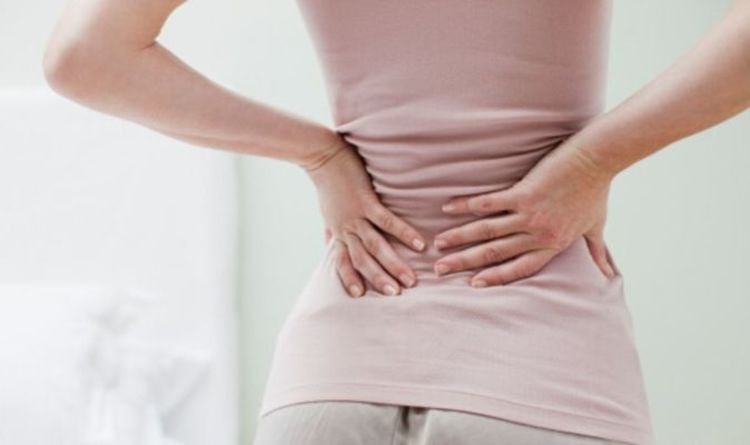
Constipation is a common gut problem that brings many uncomfortable symptoms. Many people don’t know it can also lead to back pain.
Back pain has many possible causes, but its link to constipation is real. Research backs up this link between digestion and back discomfort.
This guide explains just how constipation and back pain connect. You will also learn warning signs, treatment choices, and when to see a doctor.
By the end, you will get this link clearly and know how to find relief.
What Is Constipation?
Constipation happens when bowel movements become rare or hard to pass. Stool often turns dry, hard, and tough to push out.
This common gut issue affects people of all ages. It can come from diet, lifestyle, medicine, or a health condition underneath.
Common Symptoms of Constipation
- Fewer than three bowel movements a week
- Straining during bowel movements
- Hard or lumpy stool
- A feeling of not fully emptying
- Belly bloating or discomfort
Spotting these symptoms early helps you fix constipation before it gets worse. Left alone, constipation can lead to other uncomfortable issues, including back pain.
The Link Between Constipation and Back Pain
Getting how constipation leads to back pain starts with the digestion process itself. Waste buildup can create pressure that spreads past the belly.
How Waste Buildup Affects the Body
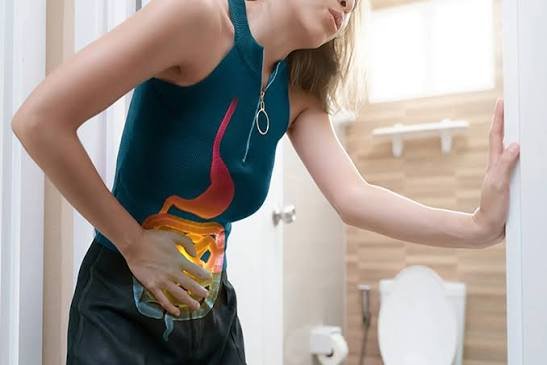
When you’re constipated, waste piles up in the colon. This buildup can make the colon swell a lot.
A swollen colon may press on nearby organs and nerves. This pressure can spread outward, causing discomfort in spots you wouldn’t expect.
Why This Pressure Reaches Your Back
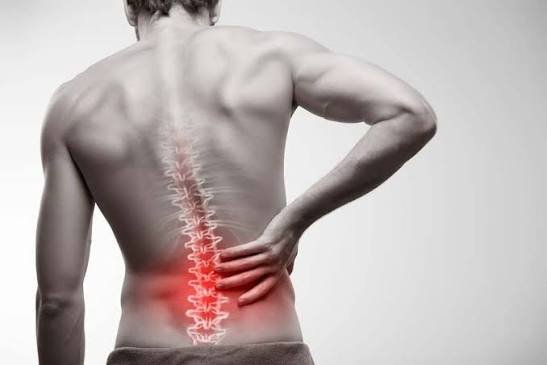
The discomfort from colon swelling is often called a dull, aching pain. In some cases, this pressure reaches nerves in the lower spine.
When stool buildup presses on these spine nerves, it can add to back pain right away. This shows why gut issues can sometimes feel like back trouble.
When Back Pain Signals Something More Serious
In rare cases, back pain and constipation together may point to a more serious issue. Knowing these cases matters for your safety.
Serious Conditions Linked to Both Symptoms
| Condition | Connection to Back Pain and Constipation |
| Spinal tumor | May press on nerves, causing both symptoms |
| Spinal infection | Can affect nerve function and bowel movement |
| Tight psoas muscle | Connects upper and lower body, affecting both areas |
Understanding the Psoas Muscle Connection
The psoas muscle is a core muscle that links your upper and lower body. A tight psoas muscle can cause lower back pain on its own.Straining during a bowel movement can also cause a temporary rise in blood pressure, so keeping your blood pressure in a healthy range matters too.
This same tight muscle may also add to constipation. Its spot right in the middle links these two seemingly unrelated symptoms.
Fecal Impaction: A More Severe Form of Constipation
Fecal impaction is a more serious form of constipation. Knowing this condition helps you spot when symptoms need quick care.
What Is Fecal Impaction?
Fecal impaction happens when a piece of dry, hard stool gets stuck in the colon or rectum. This block is worse than plain, mild constipation.
The pressure from this stuck stool can cause lower back pain right away. This link tends to be stronger than with normal constipation.
Signs of Fecal Impaction
- Bad, ongoing constipation
- Strong belly pain
- Liquid stool leaking around the block
- Big bloating or belly swelling
- Lower back pain that doesn’t get better
Fecal impaction often needs medical care, not just home fixes. Spotting these signs early helps you get the right care sooner.
Referred Pain: Another Possible Connection
Referred pain gives another reason for the constipation-back pain link. This type of pain starts in one spot but is felt somewhere else entirely.
How Referred Pain Works
Nerve paths in the body can send mixed pain signals. Pain starting in the gut may feel to the brain like it’s coming from the back.
IBS and Referred Back Pain
Constipation is a big symptom of irritable bowel syndrome (IBS). While rare, IBS can at times cause lower back pain through this referred pain path.
Getting this link helps explain why some people feel back pain along with gut symptoms. It shows how tied together the body’s systems truly are.
Symptoms That Often Accompany Constipation-Related Back Pain
Spotting other symptoms helps confirm if back pain ties to constipation. A few signs often show up together.
Common Accompanying Symptoms
- Belly cramping
- Bloating or clear swelling
- Pain right in the belly
- Bleeding from the rectum
Noticing these signs along with back pain makes the tie to constipation more likely. This pattern helps guide what to do next.
How to Tell if Your Back Pain Is Related to Constipation
Telling apart constipation-linked back pain from other causes helps guide your next step. A few key signs can bring clarity.
Signs Your Back Pain May Be Constipation-Related
- Pain that started along with constipation
- Discomfort that eases after a bowel movement
- Pain sitting right in the lower back
- Other belly symptoms like bloating or cramping
Signs Your Back Pain May Be Unrelated
- Pain that stays even after a bowel movement
- Back pain with no gut symptoms at all
- Pain set off by certain moves or activity
- Pain that started before any constipation
If back pain stays on after constipation clears up, the two may not be linked. This tells you what kind of care to seek.
When to Seek Medical Help
Knowing when to see a doctor helps you dodge bigger problems. Some warning signs should never be ignored.
Warning Signs That Require Medical Attention
- Constipation that lasts more than a few days
- Strong belly or back pain
- Nausea or vomiting along with constipation
- Blood in the stool
- Sudden, unclear shifts in bowel habits
These signs may point to a more serious issue underneath. A regular doctor can help figure out the next step.
Why Prompt Evaluation Matters
Putting off care for bad or lasting symptoms can let problems grow worse. Early checks often lead to faster, better care.
A doctor can also rule out serious things like fecal impaction or nerve trouble. This peace of mind matters just as much as feeling better.
How Healthcare Providers Diagnose the Cause
Knowing how doctors find the cause helps you know what to expect at a visit. Providers usually follow a set plan.
Steps in the Diagnostic Process
- A close look at your symptoms and health past
- A physical exam, including checking the belly
- Questions on your diet, water intake, and activity
- Imaging tests, if a serious cause seems likely
- A talk about any medicine that may cause constipation
This set plan helps find if constipation, a spine issue, or something else is the real cause. A right diagnosis leads to better care.
How Healthcare Providers Treat Constipation-Related Back Pain
Care for constipation-linked back pain depends a lot on the true cause. Providers often start with the gentlest options first.
First-Line Treatment Approaches
- Eating more fiber
- Getting regular exercise
- Drinking more water each day
- Checking and changing current medicine
Dietary Changes That Support Regularity
| Food Category | Examples |
| High-fiber fruits | Apples, pears, berries |
| High-fiber vegetables | Broccoli, carrots, leafy greens |
| Whole grains | Oats, brown rice, whole wheat bread |
| Legumes | Lentils, beans, chickpeas |
Adding fiber slowly helps you skip extra stomach discomfort. Pairing more fiber with enough water gives better results overall.
When Additional Treatment Is Needed
- Stool softeners you can buy over-the-counter for short-term relief
- Laxatives, used with a doctor’s okay
- Removing stuck stool by hand in bad cases
- Treating any spine or muscle issue underneath
Stronger treatment becomes needed for cases like fecal impaction. A provider will pick the safest, best way based on how bad it is.
Lifestyle Habits That Prevent Constipation and Related Back Pain
Stopping problems early often works better than fixing them later. Building good daily habits lowers the risk of both issues.
Daily Habits That Support Healthy Digestion
- Drink plenty of water through the day
- Eat a fiber-rich diet on a steady basis
- Stay active with regular movement
- Go to the bathroom as soon as you feel the urge
- Manage stress, which can affect your gut
Exercises That May Help With Both Issues
- Walking to boost gut movement
- Gentle core exercises
- Stretches that target the psoas muscle
- Yoga poses made to help digestion
Mixing these habits builds a strong base for both gut and back health. Being steady matters more than one big change.
The Connection Between Core Strength and Digestive Health
Core muscles, including the psoas, play a surprising part in digestion. Building these muscles may help beyond just your back.
Why Core Strength Matters for Digestion
A strong, even core supports good posture and organ placement. This can help support better digestion over time.
Tight or weak core muscles may add to both back pain and gut trouble. Working on core health gives a double benefit worth trying.
Simple Core Exercises to Try
- Gentle pelvic tilts
- Bird-dog moves for core steadiness
- Bridge poses to work the lower body
- Cat-cow stretches for spine movement
Always start slowly with new exercises, mainly if you’re in pain. A physical therapist can help fit exercises to your own needs.
Foods and Habits to Avoid If You’re Prone to Constipation
Some foods and habits can make constipation and its discomfort worse. Knowing these triggers helps you make better daily choices.
Foods That May Worsen Constipation
- Highly processed food low in fiber
- Too much dairy for those who react to it
- Fried or very fatty food
- Food high in added sugar
Habits That May Contribute to Constipation
- Ignoring the urge to go to the bathroom
- Sitting too long with little movement
- Not drinking enough water in the day
- Ongoing, unmanaged stress
Cutting these triggers where you can support smoother, easier digestion. Small changes often stop symptoms before they start.
Comparing Constipation-Related Back Pain to Other Causes
Knowing how constipation-linked back pain differs from other common causes helps guide the right care.
| Back Pain Cause | Key Distinguishing Feature |
| Constipation-related | Gets better after a bowel movement |
| Muscle strain | Set off by a certain move or activity |
| Herniated disc | Often comes with leg pain or numbness too |
| Kidney issues | May come with urine symptoms or fever |
This chart helps you talk more clearly with a doctor. Describing your own symptom pattern helps them find the cause faster.
Final Thoughts on Constipation and Back Pain
Constipation can truly add to back pain through pressure on close nerves and organs. This link, while not always clear, is well understood by doctors.
Spotting other symptoms and knowing when pain gets better helps show the true cause. This helps you talk more clearly with your doctor.
With the right mix of diet, water, and medical help, most constipation-linked back pain clears up well. Don’t wait to get help if symptoms feel bad or won’t go away.
Frequently asked questions
Can Constipation Really Cause Back Pain?
Yes, constipation can cause back pain through pressure on nerves near the lower spine. This pressure often comes from stool buildup in the colon.
How Do I Know if My Back Pain Is From Constipation?
Back pain from constipation often gets better after a bowel movement. Pain that stays after may point to a different cause.
What Is Fecal Impaction, and How Does It Relate to Back Pain?
Fecal impaction is severe, stuck stool that can put a lot of pressure on the lower back. It often needs medical care, not just home fixes.
When Should I See a Doctor for Constipation and Back Pain?
See a doctor if constipation lasts several days, brings bad pain, or comes with nausea or vomiting. These signs may point to a bigger issue.
Can Exercise Help With Constipation-Related Back Pain?
Yes, regular movement and core exercises can help both your gut and your back. Walking and gentle stretching often help a lot.
What Foods Help Prevent Constipation and Related Back Pain?
High-fiber foods like fruit, vegetables, whole grains, and legumes support regular digestion. Pairing these with enough water gives even better results.
Is Constipation-Related Back Pain Ever a Sign of Something Serious?
In rare cases, yes. Things like spinal tumors or infections can cause both symptoms at once, so pain that stays or feels bad needs a doctor’s check.
How Is Constipation-Related Back Pain Typically Treated?
Care often starts with diet changes, more water, and more activity. Bad cases may need stool softeners, laxatives, or medical removal of stuck stool.