
 By Rbia Eman
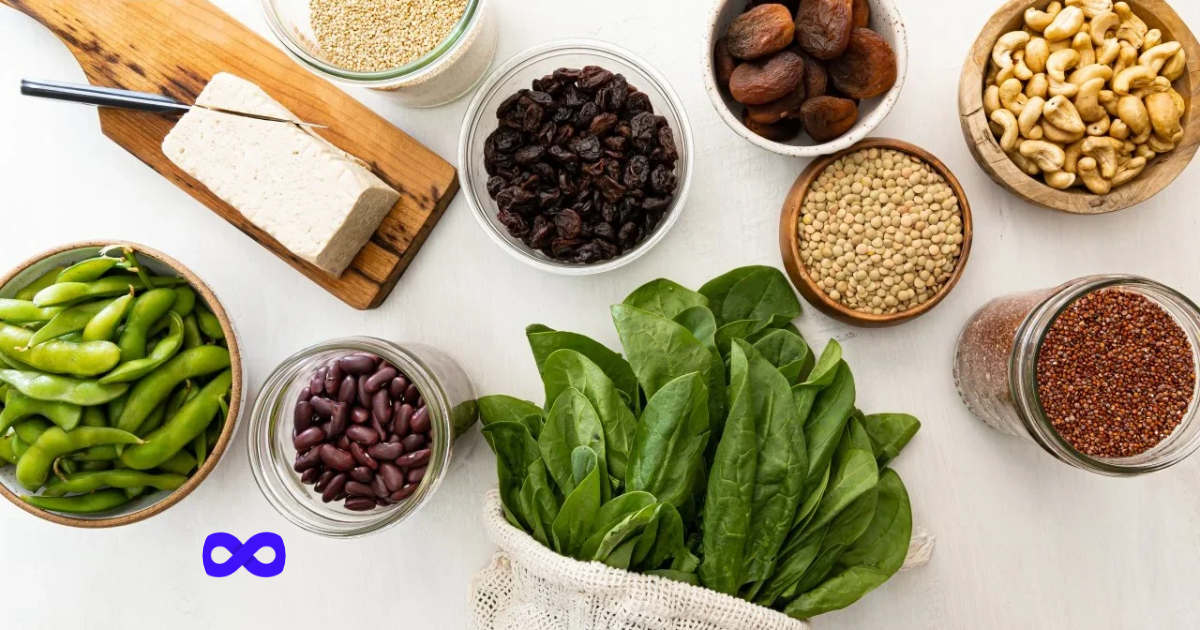
Getting enough iron is important for maintaining good health, especially when you follow a vegetarian diet. Iron helps your body produce hemoglobin, which carries oxygen through your blood. However, plant based iron is not absorbed as easily as iron from animal foods.
The good news is that plenty of vegetarian options can help you meet your daily iron needs. From lentils and chickpeas to fortified cereals and tofu, there are several nutritious choices to include in your meals.
In this guide, you’ll discover 10 iron enriched foods for vegetarians, learn how much iron your body needs, and find practical ways to improve iron absorption.
Why Is Iron Important for Your Body?
Iron is an essential mineral that supports several important functions in the body. Its main role is helping produce hemoglobin, a protein found in red blood cells.
Hemoglobin carries oxygen from your lungs to different parts of your body. Iron also supports muscle function, energy production, growth, and normal immune function.
Not getting enough iron over time can lead to iron deficiency. Possible symptoms include:
- Tiredness and low energy
- Weakness and dizziness
- Shortness of breath
- Pale skin
- Headaches
- Difficulty concentrating
These symptoms can have several causes, so they do not automatically indicate iron deficiency. A healthcare professional can recommend blood tests to check your iron status.
How Much Iron Do Vegetarians Need Daily?
Your daily iron requirement depends on your age, sex, and stage of life. Vegetarians may need more dietary iron because the body absorbs plant-based iron less efficiently.
The following are general daily recommendations from the US National Institutes of Health:
| Group | Recommended iron per day |
| Adult men (19–50) | 8 mg |
| Adult women (19–50) | 18 mg |
| Adults aged 51 and older | 8 mg |
| Pregnant women | 27 mg |
| Breastfeeding women | 9 mg |
| Teen boys (14–18) | 11 mg |
| Teen girls (14–18) | 15 mg |
The NIH notes that people following vegetarian diets may need approximately 1.8 times the usual iron intake because plant-based iron is less readily absorbed.
Your individual needs may differ, particularly during pregnancy or when managing an existing deficiency.
10 Best Iron Enriched Foods for Vegetarians
A balanced vegetarian diet can provide iron through both fortified products and naturally iron containing foods. Including different sources throughout the week can help improve your overall nutrient intake.
Here are 10 useful options to consider.
1. Iron Fortified Breakfast Cereals
Iron fortified breakfast cereals are convenient options for people looking to increase their iron intake. Manufacturers add iron during processing, making some cereals particularly rich in this mineral.
However, the amount varies between brands and products. Check the nutrition label to compare iron content per serving.
Enjoy fortified cereals with fresh strawberries, oranges, or other vitamin C-rich fruits. This combination can help your body absorb non heme iron.
2. Fortified Whole Grain Bread
Some whole grain breads contain added iron, making them another useful option for vegetarian meals.
Whole grain bread can also provide fiber and other nutrients. However, not every loaf is fortified, so check the ingredient list and nutrition information before purchasing.
You can enjoy it with hummus, beans, or vegetables for a more balanced meal.
3. Iron Fortified Plant Based Milk
Some plant based milk products contain added iron, although fortification levels differ between brands.
Soy, oat, and other plant based drinks may also provide additional nutrients depending on their formulation.
Check the nutrition label for added iron, calcium, vitamin D, and vitamin B12. Choose an unsweetened variety when possible.
4. Lentils
Lentils are among the most practical natural sources of iron for vegetarians. They also provide plant protein, fiber, and several essential nutrients.
According to the NIH, half a cup of cooked lentils provides approximately 3 mg of iron.
You can add lentils to soups, salads, curries, and vegetable dishes. Pairing them with tomatoes or lemon juice can help improve iron absorption.
5. Chickpeas
Chickpeas are nutritious legumes that provide plant based iron, protein, and fiber.
They are easy to include in different meals and work well in both traditional and modern recipes.
Try adding chickpeas to:
- Vegetable salads
- Homemade hummus
- Chickpea curry
- Roasted snack bowls
Combining chickpeas with tomatoes, bell peppers, or lemon juice adds vitamin C to your meal.
6. Tofu and Soybeans
Tofu and soybeans are valuable plant based foods for people following vegetarian diets. They provide protein and naturally contain non heme iron.
Half a cup of firm tofu provides approximately 3 mg of iron, according to the NIH.
You can add tofu to stir fries, vegetable bowls, soups, or sandwiches. Soybeans can also be included in salads and homemade meals.
7. Spinach
Spinach is a popular leafy green vegetable that contains iron along with folate, vitamin A, and other nutrients.Half a cup of cooked spinach provides approximately 3 mg of iron.
However, spinach also contains compounds that can reduce iron absorption. Therefore, its total iron content does not represent the amount your body actually absorbs.
Enjoy cooked spinach with tomatoes, lemon juice, or other vitamin C-rich ingredients.
8. Pumpkin Seeds
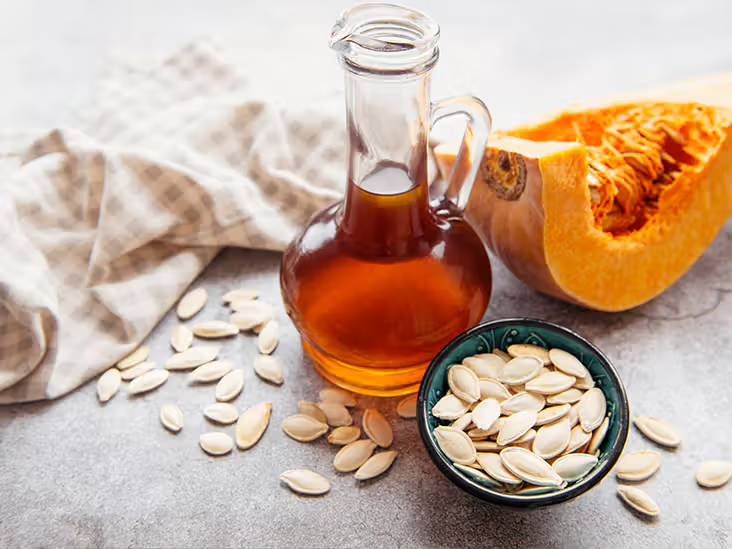
Pumpkin seeds are a convenient addition to an iron rich vegetarian diet. They contain iron, healthy fats, protein, magnesium, and zinc.
You can sprinkle them over oatmeal, yogurt, salads, or smoothies. They also make a simple snack between meals.
Choose plain or lightly roasted pumpkin seeds to avoid unnecessary added salt.
9. Kidney Beans
Kidney beans provide plant-based iron, fiber, protein, and other essential nutrients.They are affordable, filling, and easy to prepare in different ways.
Add kidney beans to vegetable chili, soups, rice dishes, or salads. Pairing them with tomatoes or bell peppers can help your body absorb their non-heme iron.
10. Quinoa
Quinoa is a nutritious whole-grain alternative, although botanically it is a seed. It provides plant based iron, protein, fiber, and other minerals.You can use cooked quinoa as a base for salads, vegetable bowls, or warm meals.
Combine it with beans, spinach, and vitamin C rich vegetables to create a balanced vegetarian dish.
Foods and Drinks That Can Reduce Iron Absorption
Some dietary compounds can make it harder for your body to absorb non-heme iron.
Here are a few things to consider when planning your meals:
- Tea and coffee: Their polyphenols can reduce iron absorption when consumed with meals.
- Calcium rich foods: Calcium may interfere with iron absorption in some circumstances.
- High phytate foods: Certain grains, legumes, nuts, and seeds contain phytates that can reduce iron absorption.
You do not need to eliminate these foods from your diet. Instead, consider drinking tea or coffee between meals rather than alongside your main iron-rich meals.
Frequently Asked Questions
1. Which vegetarian food is highest in iron?
Iron-fortified cereals can provide very high amounts of iron. Naturally iron-rich options include lentils, white beans, pumpkin seeds, tofu, and soybeans.
2. How can a vegetarian have high iron?
Include lentils, beans, tofu, spinach, seeds, and iron-fortified foods in your daily meals. Pair them with vitamin C-rich foods to improve iron absorption.
3. What are 10 foods high in iron?
Ten useful vegetarian iron sources include:
- Iron-fortified cereals
- Lentils
- Chickpeas
- Tofu
- Kidney beans
- Spinach
- Pumpkin seeds
- Soybeans
- Quinoa
- Iron-fortified bread
4. How to boost iron quickly as a vegetarian?
Eat iron rich foods with vitamin C sources such as oranges, tomatoes, and bell peppers. If you have iron deficiency, consult a healthcare professional about testing and appropriate treatment rather than relying on food alone.
Final Thoughts
Getting enough iron on a vegetarian diet is possible with thoughtful food choices and balanced meals. Include a combination of fortified cereals, whole grain products, lentils, chickpeas, tofu, spinach, and seeds in your regular diet.
Remember to pair plant based iron sources with vitamin C rich foods to support better absorption. Also, check food labels because not every cereal, bread, or plant based milk product contains added iron.
A varied diet can support healthy protein intake, but persistent symptoms or concerns about deficiency deserve medical attention. Focus on consistent eating habits rather than relying on one food to meet all your nutritional needs.