
 By Rbia Eman
Starting Zoloft and feeling more tired than usual? You’re not imagining it, and you’re not alone.
Drowsiness is a well-known side effect of this widely used antidepressant. It affects a real share of people who take it.
This guide explains why Zoloft can cause tiredness, how common it is, and what you can do about it. You will also learn when to talk to your doctor about it.
By the end, you will understand this common side effect and feel more ready to handle it.
What Is Zoloft?
Zoloft, known by its generic name sertraline, is a common antidepressant. It belongs to a drug class called SSRIs.
SSRIs work by raising serotonin levels in the brain. Serotonin plays a big role in mood, sleep, and overall emotional balance.
Doctors prescribe Zoloft for depression, anxiety, and other mental health conditions. It stays one of the most used drugs in its class.
Why Does Zoloft Make You Tired?
Knowing the science behind Zoloft-linked tiredness helps make sense of this common side effect. It comes down to how the drug affects brain chemistry.
The Role of Serotonin
Zoloft works by raising serotonin, a brain chemical that shapes mood and sleep. This lift helps mood, but it can also bring unwanted drowsiness.
The Serotonin-Melatonin Connection
Serotonin acts as a key building block for melatonin, the hormone that drives sleep. When Zoloft raises serotonin, it can also boost melatonin without meaning to.
This process explains why many people feel drowsy, mainly when they first start the drug. The mood lift and the sleepiness often come from the same root cause.
How Common Is Zoloft-Related Drowsiness?
If you’re feeling tired on Zoloft, you’re far from alone. This side effect shows up often across studies and patient reports.
The Numbers Behind Zoloft Drowsiness
Research shows fatigue and drowsiness affect about 10% to 16% of Zoloft users. This means about 1 in every 6 to 10 people feels this side effect.
This makes drowsiness one of the most common side effects tied to this drug. Knowing this can help you feel less alone in what you’re going through.
Two Types of Zoloft-Related Drowsiness
Not all Zoloft-linked tiredness looks the same. Knowing the difference helps you know what to expect and when to get help.
| Type | Timeline | What to Expect |
| Initial drowsiness | First few weeks | Often fades as the body adjusts |
| Persistent drowsiness | Beyond initial adjustment | Should be discussed with a doctor |
Initial Drowsiness
Initial drowsiness often shows up in the first few weeks of treatment. This is often part of the body getting used to the new drug.
For many people, this early tiredness slowly fades on its own. The body usually adjusts to the drug’s effects over time.
Persistent Drowsiness
In some cases, drowsiness sticks around well past the early adjustment time. This kind is worth a talk with your doctor.
Persistent drowsiness could come from personal factors or mixing with other drugs. Finding the exact cause helps guide the right fix.
Is Your Tiredness From Zoloft or Something Else?
Tiredness can come from many places, not just medicine. Knowing this helps you have a clearer talk with your doctor.
Other Possible Causes of Fatigue
- Depression itself, which often causes fatigue
- Other medicines you may be taking
- Health issues not tied to Zoloft
- Poor sleep quality from other causes
If you’re facing ongoing drowsiness, talking to your doctor helps find the true cause. This makes sure you get the right kind of help.

Effective Strategies to Combat Zoloft Drowsiness
Feeling drowsy on Zoloft doesn’t mean you’re stuck feeling tired forever. A few strategies can help you manage this side effect well.
Timing Adjustments
If drowsiness gets in the way of your day, think about when you take your dose. Taking Zoloft in the morning may cut daytime sleepiness for some people.
Always check with your doctor before changing when you take your medicine. Timing changes should be made with medical advice, not on your own.
Prioritizing Sleep Hygiene
A steady sleep schedule can boost sleep quality and cut daytime drowsiness by a lot. Small, steady habits often make a real difference.
Sleep Hygiene Tips to Try
- Aim for 7 to 8 hours of sleep each night
- Go to bed and wake up at the same time each day
- Build a calm bedtime routine
- Skip screens close to bedtime
Being steady matters more than any single change. Building these habits over time supports better rest overall.
Staying Physically Active
Regular exercise has been shown to boost energy and cut fatigue. Even light activity can make a real difference.
Exercise Tips for Combating Fatigue
- Aim for at least 30 minutes of activity most days
- Try brisk walking or gentle yoga
- Pick activities you truly enjoy
- Start slow if exercise is new to you
Movement doesn’t need to be hard to work. Steady, gentle activity often gives the most lasting energy boost.
Supporting Your Body Through Diet
A balanced diet full of fruit, vegetables, and whole grains can help you feel more energized all day. What you eat shapes your energy levels directly.
Dietary Tips for Better Energy
- Skip heavy meals close to bedtime
- Cut back on caffeine, mainly later in the day
- Cut back on alcohol, which can disturb sleep
- Stay steadily hydrated all day
These small diet changes work well with other steps. Together, they support steady, lasting energy.
Talking to Your Doctor
If drowsiness sticks around or gets in the way of daily life, reaching out to your doctor matters. They can offer fixes made for your own case.
When Drowsiness Won’t Quit: Addressing Persistent Fatigue
If lifestyle changes haven’t fixed your Zoloft-linked drowsiness, don’t lose hope. An open talk with your doctor is the right next step.
Why Persistent Drowsiness Matters
Persistent drowsiness shouldn’t be ignored. It can truly affect your quality of life, work, and overall well-being.
Options Your Doctor May Consider
| Option | How It Helps |
| Dosage adjustment | May cut drowsiness while it still works well |
| Medication switch | Moves to a drug less likely to cause drowsiness |
| Additional medication | Works against drowsiness caused by Zoloft |
Dosage Adjustment
In some cases, a small drop in dosage may ease drowsiness. This can happen with no loss in how well it works for your mental health.
Medication Switch
If a dosage change isn’t enough, your doctor may switch you to a different antidepressant. Some options bring a lower chance of drowsiness.
Additional Medication
In some cases, your doctor might add another drug. This can work directly against the drowsiness caused by Zoloft.
Every person reacts differently to medicine. What works well for one may not work the same for another, which is why open talk with your doctor matters so much.
Other Zoloft Side Effects to Watch For
While drowsiness is a common worry, it helps to see the full picture. A few other side effects can show up along with or apart from tiredness.
Digestive Side Effects
- Nausea
- Diarrhea
- Heartburn or upset stomach
- Constipation
Sleep-Related Side Effects
Oddly, Zoloft can at times cause the opposite effect too. Some people get insomnia, trouble falling asleep, or trouble staying asleep.
Physical Side Effects
- Dry mouth
- Teeth grinding
- Shifts in appetite or weight
- Feeling lightheaded or dizzy
- More sweating than usual
Sexual Side Effects
Zoloft can affect sexual function for some people. This may bring erectile dysfunction or a lower sex drive.
Other Possible Side Effects
Headaches and more anxiety are also possible for some people starting this drug. Not everyone gets these effects, and each person’s case can differ a lot.
If you’re worried about any side effects, listed here or not, talking to your doctor is always worth it. They can help you weigh the good against the bad.
Building a Personal Plan to Manage Zoloft Drowsiness
Building a clear plan helps you deal with drowsiness in a better way. A plan made for you often works better than random fixes.
Steps to Build Your Management Plan
- Track when drowsiness hits and how bad it feels
- Note your current sleep, exercise, and diet habits
- Try one lifestyle change at a time
- Give each change a few weeks before you judge it
- Talk to your doctor about symptoms that stick around
Tracking your symptoms over time gives your doctor useful facts. This makes talks about changes more clear and useful.
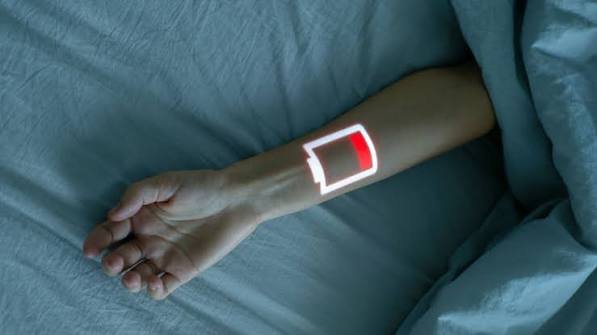
Lifestyle Habits That Support Better Energy on Zoloft
Past fixing drowsiness directly, some daily habits support your overall energy and health. These habits work well with any medical steps your doctor suggests.
Daily Habits Worth Building
- Get natural light early in the day
- Keep a steady daily routine
- Cut back on long naps that hurt night sleep
- Stay social and active
- Manage stress with calm-down methods
Small, steady habits often add up to a real change over time. These habits support your full treatment, not just the drowsiness side effect.
When to Seek Immediate Medical Attention
While most Zoloft side effects can be managed, some symptoms need fast medical care. Knowing these signs matters for your safety.
Signs That Need Prompt Medical Attention
- Bad drowsiness that affects your safety, like while driving
- Signs of an allergic reaction
- Big mood shifts or worsening depression
- Thoughts of self-harm
If you have thoughts of self-harm, please reach out to a crisis line or your doctor right away. Help is there, and you don’t have to face this alone.
Final Thoughts on Zoloft and Tiredness
Drowsiness is a common and often annoying side effect of Zoloft. Still, it’s worth knowing that it’s often short-term and can be managed.
Whether through timing changes, lifestyle shifts, or checking options with your doctor, fixes are out there. These can help you get back your energy and focus.
Open talk with your doctor stays key through this whole process. Each person’s time with Zoloft is different, and finding the right fit often takes some patience and teamwork.
Frequently asked questions
Does Zoloft Fatigue Go Away?
In most cases, yes. Fatigue and other side effects often fade once the early adjustment time to the drug has passed.
How Long Does Drowsiness Last With Sertraline?
Drowsiness often peaks in the first few weeks of starting sertraline. It usually fades as the body adjusts, though ongoing cases should be discussed with a doctor.
How Can I Get Rid of Drowsiness From Zoloft?
Taking it at a different time, staying active, and eating well can help. If drowsiness sticks around, talk to your doctor about dosage changes.
Is It Safe to Drive While Taking Zoloft?
If you feel real drowsiness, avoid driving until you know how the drug affects you. Talk over any safety worries with your doctor.
Can Taking Zoloft at Night Help With Daytime Tiredness?
For some people, taking Zoloft at night can cut daytime drowsiness. Always check this timing change with your doctor first.
Does Everyone Experience Drowsiness on Zoloft?
No, drowsiness affects about 10% to 16% of users. Many people take Zoloft with no real tiredness at all.
Can Diet and Exercise Really Help With Zoloft Fatigue?
Yes, eating well and staying active can truly boost your energy. These habits work well next to other steps you take.
When Should I Talk to My Doctor About Zoloft Drowsiness?
If drowsiness sticks past the first few weeks or gets in the way of daily life, it’s time to talk to your doctor. They can help find fixes made for you.