
 By Rbia Eman
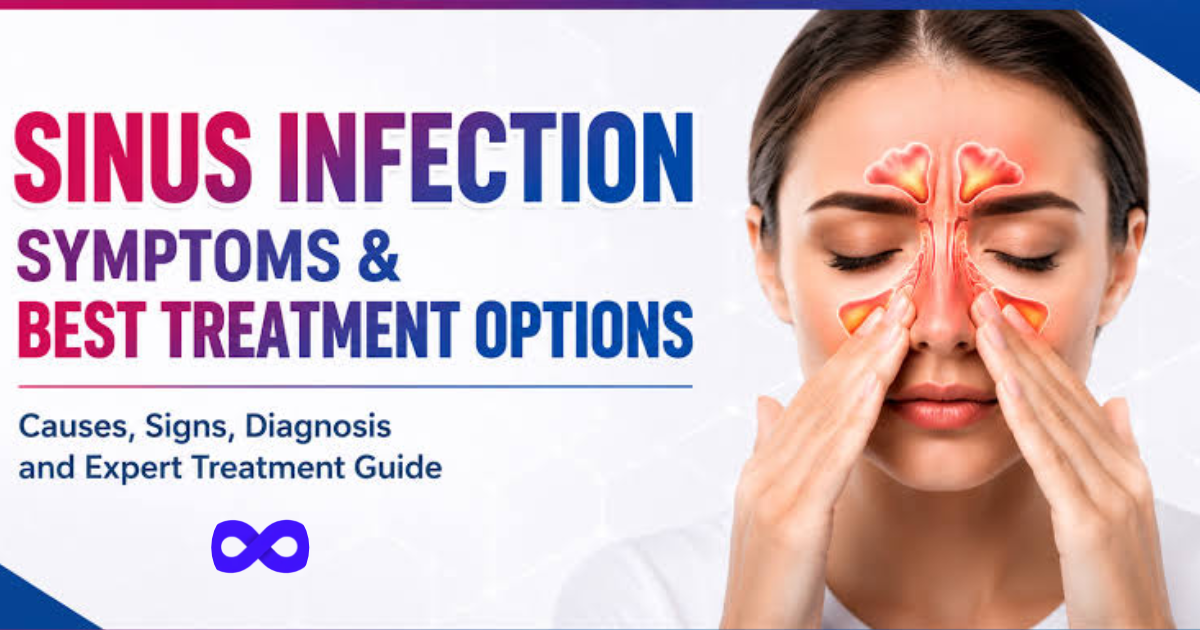
Sinus infection symptoms can make everyday activities uncomfortable. A blocked nose, facial pressure, headache, and thick nasal mucus are common signs. Some people also experience tiredness, coughing, reduced smell, and discomfort around their eyes or forehead.
A sinus infection, also called sinusitis, develops when the lining of the sinuses becomes inflamed and mucus cannot drain properly. Most cases are related to viral infections and improve without antibiotics. However, symptoms that persist, become severe, or return repeatedly may need medical attention.
In this guide, you will learn about common sinus infection symptoms, their causes, early warning signs, diagnosis, and treatment options.
What Is a Sinus Infection (Sinusitis)?
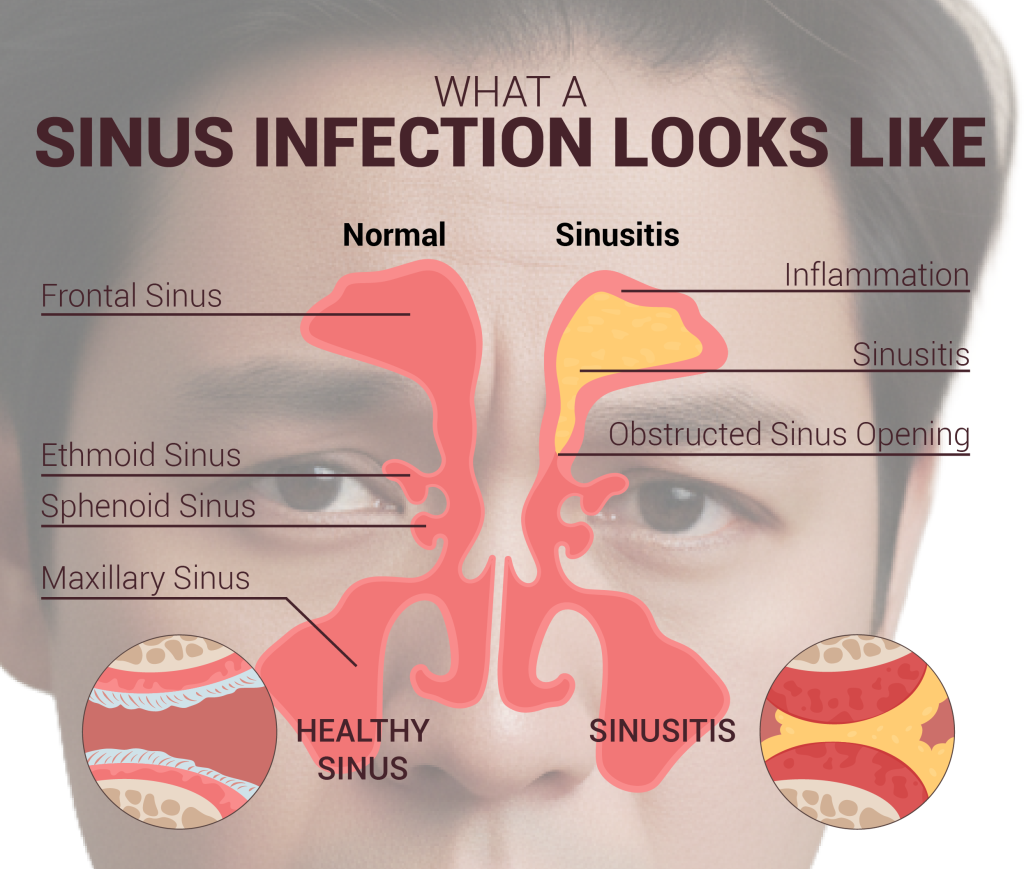
A sinus infection occurs when the tissues lining the sinuses become swollen or inflamed. The sinuses are small, air-filled spaces located behind your forehead, cheeks, nose, and eyes.
Normally, these spaces produce mucus that drains through small openings into the nose. When inflammation blocks these openings, mucus can build up and cause pressure, congestion, and discomfort.
This condition is medically known as sinusitis or rhinosinusitis.
Sinusitis can be acute, meaning it lasts for a relatively short period, or chronic, meaning symptoms continue for 12 weeks or longer. It may develop after a common cold, flu, or an allergic reaction.
What Causes a Sinus Infection?
Several factors can cause sinus inflammation and infection. The most common causes include:
1. Viral infections
Viruses that cause colds and flu are the leading cause of acute sinus infections. They can make the nasal passages swell, preventing mucus from draining normally.
2. Bacterial infections
Sometimes, bacteria grow in blocked sinuses and cause a bacterial infection. This may happen when symptoms persist without improvement or become worse after initially getting better.
3. Allergies
Allergic reactions to dust, pollen, mold, or pet dander can inflame the nasal passages. Repeated inflammation may interfere with normal sinus drainage.
4. Nasal polyps
Nasal polyps are soft, noncancerous growths inside the nose or sinuses. Larger polyps can block drainage pathways and increase the risk of ongoing sinus problems.
5. Structural nasal problems
A deviated nasal septum or other structural blockage can make it harder for mucus to drain. This may contribute to repeated sinus infections.
6. Environmental irritants
Cigarette smoke, air pollution, and strong chemical smells can irritate the nasal passages. Frequent exposure may worsen inflammation and congestion.
What Are the Common Symptoms of a Sinus Infection?
Sinus infection symptoms can vary depending on the cause and severity. Some people experience mild congestion, while others develop facial pain and significant pressure.
Common symptoms include:
- Nasal congestion: Your nose feels blocked, making breathing difficult.
- Thick nasal discharge: You may notice clear, yellow, or green mucus.
- Facial pressure or pain: Discomfort may develop around the cheeks, forehead, nose, or eyes.
- Headache: Pressure around the forehead or face can cause headaches.
- Reduced sense of smell: Swelling inside the nose may affect your ability to smell.
- Postnasal drip: Mucus may travel down the back of your throat.
- Cough: Throat irritation from postnasal drip can trigger coughing.
- Sore throat: Repeated mucus drainage may irritate your throat.
- Bad breath: Mucus buildup and nasal congestion can contribute to unpleasant breath.
- Fever and tiredness: Some people experience a mild fever or feel generally unwell.
Not everyone experiences all these symptoms. Also, yellow or green mucus alone does not confirm a bacterial infection. The duration and overall pattern of symptoms are more useful when assessing the condition.
Early Signs of a Sinus Infection
Early sinus infection symptoms can resemble those of a common cold. Recognizing the initial changes may help you manage discomfort and monitor your condition.
Common early signs include:
1. A blocked or runny nose
You may first notice nasal congestion, frequent sneezing, or a runny nose. This can make breathing through your nose uncomfortable.
2. Pressure around the face
A feeling of fullness around your cheeks, forehead, or nose may develop as the sinus lining becomes inflamed.
3. Mild headache
Some people experience a dull headache, especially around the forehead or between the eyes.
4. Changes in mucus
Nasal discharge may become thicker as inflammation develops. However, mucus color alone cannot tell whether the infection is bacterial.
5. Reduced sense of smell
Swelling can restrict airflow through the nose and make smells less noticeable.
If cold-like symptoms continue for more than 10 days without improvement, or improve before becoming worse again, consult a healthcare professional.
Types of Sinus Infections and Their Symptoms
Sinusitis is commonly classified according to how long symptoms last.
Acute Sinusitis
Acute sinusitis develops suddenly and usually improves within a few weeks. It often follows a cold or another upper respiratory infection.
Common symptoms include nasal congestion, facial pressure, headache, thick mucus, and reduced smell.
Subacute Sinusitis
Subacute sinusitis refers to symptoms that continue for around 4 to 12 weeks. The inflammation may take longer to resolve than an ordinary acute infection.
People may experience ongoing congestion, facial discomfort, and nasal discharge.
Chronic Sinusitis
Chronic sinusitis involves inflammation lasting 12 weeks or longer, even with treatment. It may be associated with allergies, nasal polyps, or structural problems.
Common symptoms include persistent nasal blockage, reduced smell, facial pressure, and postnasal drip. Fever is less common than in some acute infections.
Recurrent Acute Sinusitis
Recurrent acute sinusitis means experiencing several separate episodes of acute sinusitis within a year, with periods of improvement between them.Repeated episodes may require further assessment to identify contributing factors.
Serious Sinus Infection Warning Signs
Most sinus infections improve without serious complications. However, certain symptoms may indicate that the infection or inflammation is becoming more serious.
Seek urgent medical attention if you experience:
- Swelling or redness around one or both eyes.
- Double vision or sudden changes in eyesight.
- Severe or unusual headache.
- Confusion or difficulty staying alert.
- Stiff neck, especially with fever or severe headache.
- Significant swelling of the forehead.
- Severe facial pain or rapidly worsening symptoms.
These signs may indicate a rare complication involving the tissues around the eyes or inside the skull. Do not delay urgent medical assessment if they occur.
Risk Factors and Diagnosis of Sinus Infections
Certain conditions can increase the likelihood of developing sinusitis.
Common Risk Factors
You may have a higher risk of sinus infections if you:
- Frequently experience colds or respiratory infections.
- Have seasonal allergies or allergic rhinitis.
- Have nasal polyps or a deviated septum.
- Smoke or regularly breathe secondhand smoke.
- Have a weakened immune system.
- Experience ongoing nasal inflammation.
Maintaining a balanced diet supports normal immune function and general health. Vitamins have different roles in the body, but supplements do not directly treat sinus infections. Learn more in our guide to Vitamin A, B, C, D and E Supplements.
How Is a Sinus Infection Diagnosed?
A healthcare professional usually diagnoses sinusitis by reviewing your symptoms and examining your nose and face.
They may ask:
- How long have your symptoms been present?
- Are your symptoms improving or getting worse?
- Do you experience facial pain or pressure?
- Have you recently had a cold or allergy symptoms?
- Have you experienced repeated sinus infections?
Most uncomplicated cases do not require imaging or laboratory tests. A doctor may recommend further examination, nasal endoscopy, or imaging if symptoms are persistent, recurrent, unusually severe, or suggest a complication.
How to Treat and Relieve Sinus Infection Symptoms
Treatment depends on the cause, duration, and severity of the infection. Many acute sinus infections improve with supportive care rather than antibiotics.
Here are some approaches that may help relieve symptoms.
1. Use saline nasal spray or rinses
Saline sprays and nasal rinses may help clear mucus and keep nasal passages moist. If using a nasal rinse, use sterile, distilled, or previously boiled and cooled water. Clean the device according to its instructions.
2. Stay hydrated
Drinking enough fluids supports normal body functions and may help prevent mucus from becoming too thick.
3. Apply a warm compress
A comfortably warm cloth placed over your cheeks or forehead may provide temporary relief from facial pressure.
4. Get enough rest
Rest gives your body time to recover. Avoid activities that make you feel unusually tired while symptoms are severe.
5. Consider suitable pain relief
Over-the-counter medicines such as paracetamol or ibuprofen may help with pain or fever. Follow the product instructions and ask a healthcare professional if you are unsure whether a medicine is suitable for you.
6. Ask about nasal sprays
A healthcare professional may recommend a corticosteroid nasal spray to reduce inflammation, particularly when allergies or persistent swelling contribute to symptoms.
Decongestant sprays may provide short-term relief, but prolonged use can make congestion worse. Follow the product instructions and ask a pharmacist before using them.
7. Use antibiotics only when prescribed
Most acute sinus infections are viral, so antibiotics do not help in these cases. A doctor may consider antibiotics when symptoms and examination findings suggest a bacterial infection.
Do not take leftover antibiotics or start a course without medical advice.
How Long Do Sinus Infection Symptoms Last?
The duration depends on the type of sinusitis and its underlying cause.
- Acute sinusitis: Usually improves within 2 to 3 weeks, although some cases may take longer.
- Subacute sinusitis: Symptoms may continue for 4 to 12 weeks.
- Chronic sinusitis: Symptoms last for at least 12 weeks.
- Recurrent acute sinusitis: Separate episodes occur several times, with periods of improvement between them.
Most people with acute sinusitis gradually feel better. However, contact a healthcare professional if symptoms last more than 10 days without improvement, become worse after initially improving, or remain severe.
Frequently Asked Questions
1. How to get rid of a sinus infection?
Many mild sinus infections improve with rest, fluids, saline nasal sprays or rinses, and suitable pain relief. Antibiotics are only useful for certain bacterial infections and should be prescribed by a healthcare professional.
2. How long does a sinus infection last?
Most acute sinus infections improve within 2 to 3 weeks. Chronic sinusitis lasts 12 weeks or longer and may require ongoing medical treatment.
3. What are the common causes of sinus infections?
Viruses are the most common cause of acute sinus infections. Bacteria, allergies, nasal polyps, structural blockages, and environmental irritants can also contribute to sinus inflammation.
4. How does a sinus infection go away?
A sinus infection often improves as inflammation decreases and mucus drains normally. The immune system usually clears viral infections without antibiotics, while some bacterial cases may require medical treatment.
Final Thoughts
Sinus infection symptoms can range from mild nasal congestion to persistent facial pressure, headaches, and reduced sense of smell. Most acute cases improve with time and supportive care, but symptoms that persist or become worse should not be ignored.
Understanding the causes, recognizing serious warning signs, and choosing appropriate treatment can help you manage sinusitis more effectively. If symptoms are severe, recurrent, or not improving, consult a qualified healthcare professional for an accurate diagnosis and treatment plan.