
 By Rbia Eman
Owning a rental flat isn’t the only path to earning from property. If you’re wondering how to build passive income with real estate without chasing tenants or fixing leaky taps, there are several routes that let your money work in the property market while you stay hands off.
This guide breaks down five practical strategies, how much capital each one needs, and what risks to watch out for before you invest.
What Does Passive Real Estate Income Actually Mean?
Passive real estate income is money you earn from property-related investments without managing the property yourself. Buying a house and dealing with tenants directly is active investing. Buying units in a fund where professionals manage the properties for you is passive investing.
That said, passive doesn’t mean effortless.You still need to research each option, understand the fees involved, and check in on your investment now and then. The real advantage isn’t zero work, it’s far less ongoing work.
5 Ways to Build Passive Income with Real Estate
Here’s how to build passive income with real estate without purchasing a whole property outright.
1. Real Estate Investment Trusts (REITs)
REITs are one of the simplest entry points into property investing. A REIT owns or finances a portfolio of income-generating buildings, think office spaces, malls, or warehouses. When you buy units, you earn a share of the rental income through periodic payouts, and your investment can also grow in value over time.
The biggest perk is liquidity. Since REIT units trade on the stock market, you can buy or sell them fairly easily, unlike physical property, which can take months to sell. The trade-off is that unit prices move up and down with the market, and you have no say in how the underlying properties are run.
2. Property Focused Investment Funds
Another option is investing in funds that hold shares of companies connected to the real estate sector construction firms, property developers, or infrastructure businesses. These funds give you indirect exposure to the industry without owning any physical asset.
Before investing, check exactly what the fund holds. A fund tied to real estate-linked companies is not the same as owning a building or collecting rent directly. You can typically access these through your regular brokerage or mutual fund platform.
3. Fractional Real Estate Ownership
Fractional ownership lets several investors jointly own one property instead of one buyer covering the entire cost. This opens the door to higher-value properties that would otherwise be out of reach for an individual investor.
Depending on how the deal is structured, you may earn a share of the rental income and benefit if the property’s value rises. Before committing money, ask:
- How is ownership legally documented?
- Who manages the property day to day?
- What fees will you pay?
- How and when can you exit the investment?
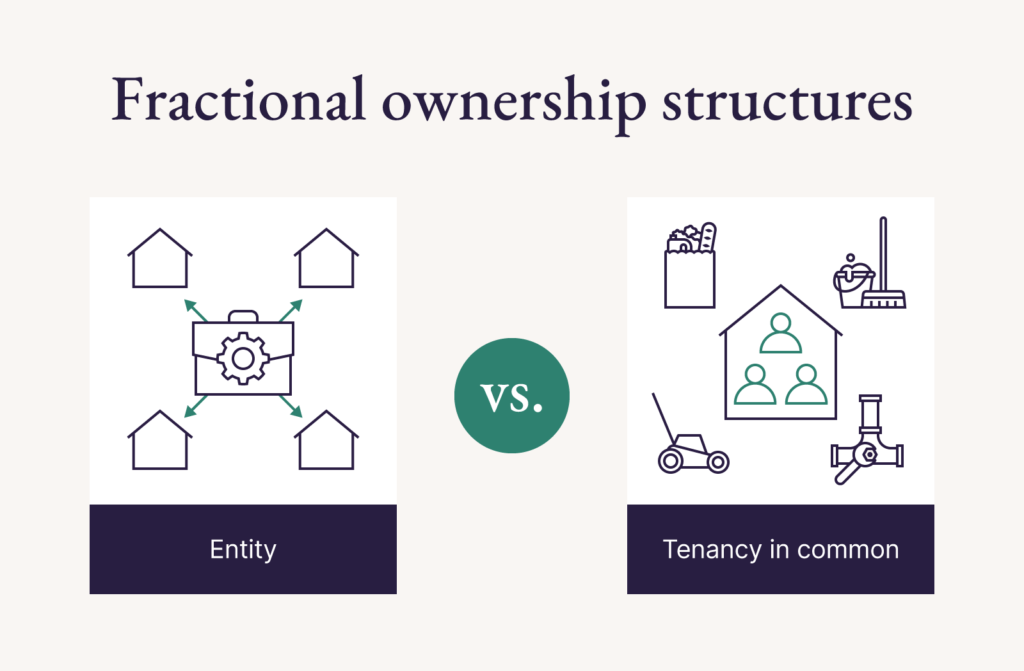
Some regulated structures set a fairly high minimum investment, while smaller private platforms allow much lower entry amounts by pooling investors into a shared legal entity that holds the property.
Keep in mind that fractional investments are usually far less liquid than listed options like REITs, so your money could stay locked in for longer than expected.
4. Real Estate Crowdfunding and Pooled Investments
Crowdfunding lets a group of investors fund a property project together instead of one person financing it alone. Rather than putting up the entire amount yourself, you contribute a portion alongside others.
This route calls for careful homework. Look closely at the platform’s track record, the developer behind the project, the legal structure of the deal, expected cash flows, and how you’ll eventually get your money back.
Never invest purely because a project promises an eye-catching return dig into the fine print first. Many of these opportunities are aimed at investors with a higher capital threshold, so check the minimum ticket size before you get interested.
5. Real Estate Syndication
Syndication works similarly to crowdfunding but is usually more structured. A group of investors pools money into a single property deal, and a sponsor or professional manager runs the project on their behalf. Investors typically act as passive partners, contributing capital while the sponsor makes the operational decisions.
This can open doors to large-scale projects that would be impossible to fund alone. The downside is a long holding period, limited liquidity, and less control over major decisions. Before signing on, review the legal documents, fee structure, and how profits (and losses) are shared.

How Much Money Do You Need to Get Started?
There’s no fixed number here the amount depends entirely on which route you choose. Listed REITs generally require far less capital than buying a flat or commercial unit outright. Fractional ownership and pooled investments can also lower the entry barrier, though minimums vary widely by platform and project.
Buying a rental property directly is the most capital-intensive option once you factor in the purchase price, registration costs, financing charges, and ongoing maintenance.
Instead of asking What’s the smallest amount I can invest?, ask yourself: “How much can I invest without putting my day-to-day finances at risk?”
Which Passive Real Estate Strategy Fits You Best?
| If you value | Consider |
| Easy buying and selling | Listed REITs |
| Full ownership | A rental property with professional management |
| Minimal day-to-day involvement | REITs or managed investment funds |
| Access to large-scale projects | Syndication |
| Shared ownership of one asset | Fractional ownership structures |
| Steady, property-linked income | REITs or a rental property |
This is a general starting framework, not personal financial advice — your choice should depend on your own goals and risk appetite.
Risks Worth Knowing Before You Invest
Passive doesn’t mean risk-free. Keep these points in mind:
- Property values can decline.
- Rental units can sit vacant for stretches of time.
- Rising interest rates can push up borrowing costs.
- Private or fractional investments can be hard to exit quickly.
- Management issues, regulatory shifts, hidden fees, and unexpected expenses can all eat into your returns.
With pooled or fractional deals specifically, your outcome also depends on the platform or sponsor managing the project. Always understand where your money is going and how you’ll get it back before investing.
How to Start Building Passive Income Through Real Estate
- Set your goal. Decide if you want regular income, long-term growth, or a mix of both.
- Review your finances. Know your income, expenses, and how much you can realistically set aside.
- Pick your comfort level. Choose between a fully hands-off approach or something closer to managed ownership.
- Research thoroughly. Study the property, the people managing it, the fee structure, and the risks involved.
- Understand your exit. Know exactly how and when you can withdraw or sell your investment.
- Invest responsibly. Avoid using money you might need in the near term.
- Review regularly. Passive investing still needs periodic check-ins.
In Summary
If you’re figuring out how to build passive income with real estate, you don’t need to buy a flat or take on tenants to get started. REITs, property-focused funds, fractional ownership, crowdfunding, and syndication all offer different levels of involvement, capital requirements, and risk. The right one for you depends on how much liquidity, control, and involvement you’re comfortable with so start small, research thoroughly, and build from there.
Frequently Asked Questions
Is passive real estate income truly passive?
Not completely. You’ll still need to research the opportunity, review documents, and monitor performance occasionally. It reduces ongoing effort and doesn’t eliminate it.
What’s the easiest way to start earning passive income from real estate?
For most beginners, listed REITs are the simplest starting point because of their lower entry cost and easy liquidity compared to physical property.
Can I lose money with passive real estate investments?
Yes. Property values can fall, rental income can dip, and pooled investments carry additional risk tied to the platform or sponsor managing the deal.
How is fractional ownership different from a REIT?
A REIT pools money from many investors into a diversified portfolio of properties and trades like a stock. Fractional ownership usually ties your money to one specific property, with lower liquidity and a more defined exit process.
How much capital do I need to begin?
It depends on the route. REITs generally need the least capital, while direct property purchase and select crowdfunding deals require significantly more.