
 By Rbia Eman
A Cupboard Full of Bottles
Several years ago, I got out my kitchen cupboard and counted seven bottles. One for energy, one for immunity, one for skin, one for hair, and a couple I couldn’t even remember buying. I was dishing out cash month after month and to be quite honest, I gave less than half a shit about what they were all doing.
Maybe you’ve been there, too. Go into any drugstore and you will find rows of tablets, capsules and gummies, each with claims of improved health. So what’s the truth?
First, a Quick Reality Check
Supplements are intended to supplement, not substitute for meals. A pill can’t provide all the fiber and protein and good fat and hundreds of natural chemicals found in a real-food meal.
That doesn’t mean that no one needs extra help. The trick is to know if you are.
Fat Soluble vs Water Soluble: Why It Matters
This is the only vitamin tip worth knowing.
- Fat-soluble vitamins (A, D, E): Your body stores them in fat tissue and the liver. That comes in handy, but it also means too much can accumulate and cause damage.
- Water-soluble vitamins (B-complex and C): Your body doesn’t store most of them for very long. Excess are generally eliminated in urine, but for very high doses can still lead to adverse effects.
Remember this as we go through them.
Vitamin A: For Eyes, Skin and Immunity
What it does: Supports vision (especially in dim light), healthy skin, and a normal immune response.
Good food sources: Carrots, sweet potatoes, spinach, mangoes, eggs, milk and liver.
Who may need a supplement: People with poor absorption problems or very limited diets, as advised by a doctor.
Be careful: This is the vitamin you most want to avoid overdoing. Too much preformed vitamin A can cause headaches, nausea, bone problems and liver damage. It’s especially risky during pregnancy, where high amounts may harm the baby. If you’re pregnant or planning to be, always check with your doctor first.
B Vitamins: For Energy and a Healthy Nervous System
The B vitamins constitute a family of eight vitamins: B1, B2, B3, B5, B6, B7, B9 (folate) and B12. They aid your body’s ability to convert food into energy and play a role in brain and nerve health.
Good sources: Whole grains, eggs, dairy, meat, fish, beans, lentils, nuts, and leafy greens.
Who should consider taking one:
- Vegans and some vegetarians, for whom vitamin B12 is primarily an animal food product.
- Older adults who perhaps don’t absorb B12 as well.
- Women who are pregnant or planning to become pregnant, since they generally require more folate, under the guidance of their physician.
Caution: Large amounts of vitamin B6 over a prolonged period of time may lead to nerve damage followed by numbness and tingling.
Vitamin C: For Immunity and Healing
What it does: Helps your body make collagen, heal wounds, absorb iron from plant foods and protect cells as an antioxidant.
Good food sources: Oranges, lemons, guavas, strawberries, kiwi, bell peppers, tomatoes and broccoli.
Who may need a supplement: Most people get enough from fruit and vegetables. Smokers and people with very restricted diets may need more.
Be careful: Large doses can lead to stomach upset, diarrhea and, in some people, kidney stones.
A common myth: Vitamin C doesn’t prevent colds for most people. At best, it may slightly shorten how long they last.
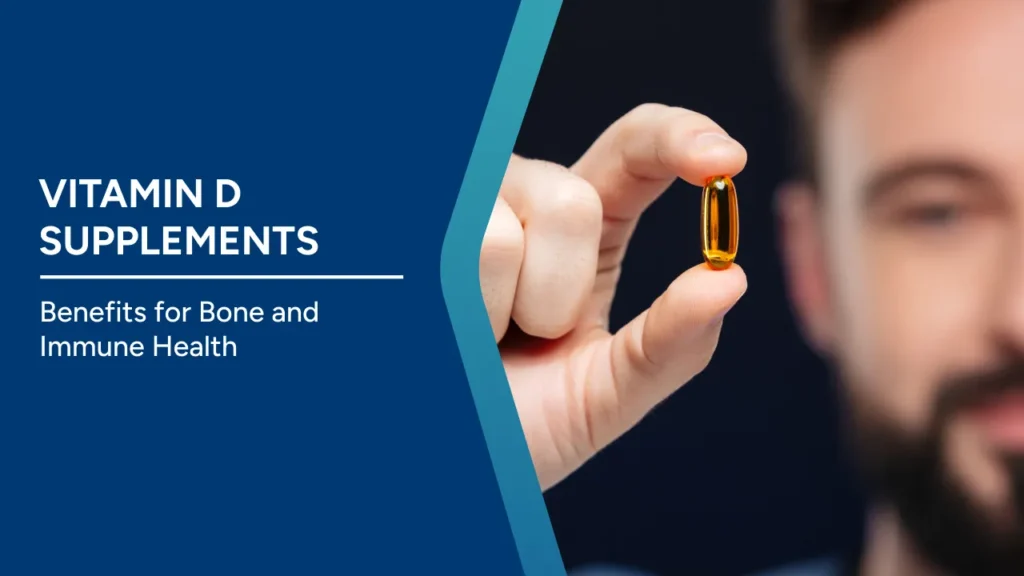
Vitamin D: For Bones, Muscles and Immune Function
What it does: Helps your body absorb calcium, keeping bones and teeth strong. It also supports muscles and immune function.
Where it comes from: Sunlight on your skin is the main source. Food sources include oily fish, egg yolks and fortified foods.
Who may benefit from supplementation:
People with limited sun exposure, such as indoor workers or those who wear clothing that covers most of their skin
- People in long, dark winter regions
- Elderly people
- Those with darker skin tones who produce less vitamin D from the same amount of sunlight
- Individuals who are found to be deficient by blood test
Warning: Excess vitamin D increases calcium in your blood and can damage your kidneys and heart. You don’t need to guess: A simple blood test can tell you if you’re low.
Vitamin E: A Skin and Cell Protector
What it does: Works as an antioxidant, helping protect cells from damage, and supports skin and immune health.
Good food sources: Almonds, sunflower seeds, hazelnuts, vegetable oils, avocado and leafy greens.
Who may need a supplement: True deficiency is rare and usually linked to fat-absorption disorders.
Be careful: High-dose vitamin E can interfere with blood clotting and may interact with blood-thinning medicines. Don’t take large amounts without medical advice.
Quick Comparison Table
| Vitamin | Main Job | Type | Overdose Risk |
| A | Vision, skin, immunity | Fat-soluble | High |
| B-complex | Energy, nerves, blood cells | Water-soluble | Low to moderate (B6 especially) |
| C | Immunity, collagen, healing | Water-soluble | Low |
| D | Bones, muscles, immunity | Fat-soluble | High |
| E | Antioxidant, skin protection | Fat-soluble | Moderate |
Should You Take a Multivitamin or Individual Vitamins?
A multivitamin is a convenient, low-dose option if your diet is uneven. It covers small gaps without pushing any single nutrient too high.
Individual vitamins make sense when a doctor finds a specific shortage, like low vitamin D or B12.
For most healthy adults eating a varied diet, a basic multivitamin at the recommended dose is plenty. A bigger dose is not a better dose.
Who Benefits Most From Supplements?
- Pregnant and breastfeeding women (under medical guidance)
- Older adults
- Vegans and people on very restricted diets
- People with digestive or absorption conditions
- People recovering from illness or surgery
- Those with a confirmed deficiency
Who Probably Doesn’t Need Them?
If you eat plenty of fruit, vegetables, whole grains, protein and healthy fats, get regular sunlight, and have no medical condition, you might not need any supplements at all.
How to Choose and Take Supplements Safely
- Get a blood test before starting high-dose vitamins like D or B12.
- Check the label for the amount per serving, and don’t double up with other products containing the same vitamin.
- Choose products from trusted manufacturers that follow quality standards and test their products.
- Take fat-soluble vitamins (A, D, E) with a meal that contains some fat, which improves absorption.
- Stick to the recommended dose. Check national guidelines for safe upper limits.
- Tell your doctor or pharmacist about every supplement you take, especially if you use regular medication.
- Store them properly, away from heat, moisture and children.
Common Mistakes People Make
- Thinking “natural” always means safety. Even natural vitamins can be harmful in excess.
- Taking many products at once and accidentally doubling the dose.
- Using supplements instead of a healthy diet.
- Ignoring symptoms like constant tiredness or hair loss and assuming a vitamin will fix it, when a medical cause may be behind it.
- Following social media trends instead of personal medical advice.
Signs You Might Be Low in Vitamins
These signs can have many causes, so they’re a reason to talk to a doctor, not to self-diagnose:
- Ongoing tiredness or weakness
- Frequent infections
- Poor night vision (vitamin A)
- Tingling in hands or feet (some B vitamins)
- Bone or muscle pain (vitamin D)
- Slow wound healing or bleeding gums (vitamin C)
Frequently Asked Questions
Can I Take Vitamins A, B, C, D and E Together?
Is it Safe to Take Vitamin A B C D E Together I Don’t Think So. Many multivitamins already include them in safe, low doses. If you’re considering multiple high-dose supplements, speak with a doctor or pharmacist first.
When is the best time to take vitamin tablets?
B vitamins are commonly taken in the morning, because some people feel they’re energizing. Fat-soluble vitamins should be taken with food. By far, the most important thing is consistency not necessarily the time of day.
Is it OK to Take Supplements Daily?
Daily use is likely safe for most adults at the recommended doses. That’s when problems start – with large doses for long periods of time.
Can you substitute a healthy diet with supplements?
No they won’t. They back up a good diet, but they can’t replace it.
Are vitamins for hair loss or glowing skin really effective?
If hair or skin problems are related to a real deficiency. Otherwise, extra vitamins aren’t going to help a whole lot.
Can kids take these?
Children should only take supplements at the recommendation of a doctor or pediatrician, and at doses appropriate for children.