
 By Rbia Eman
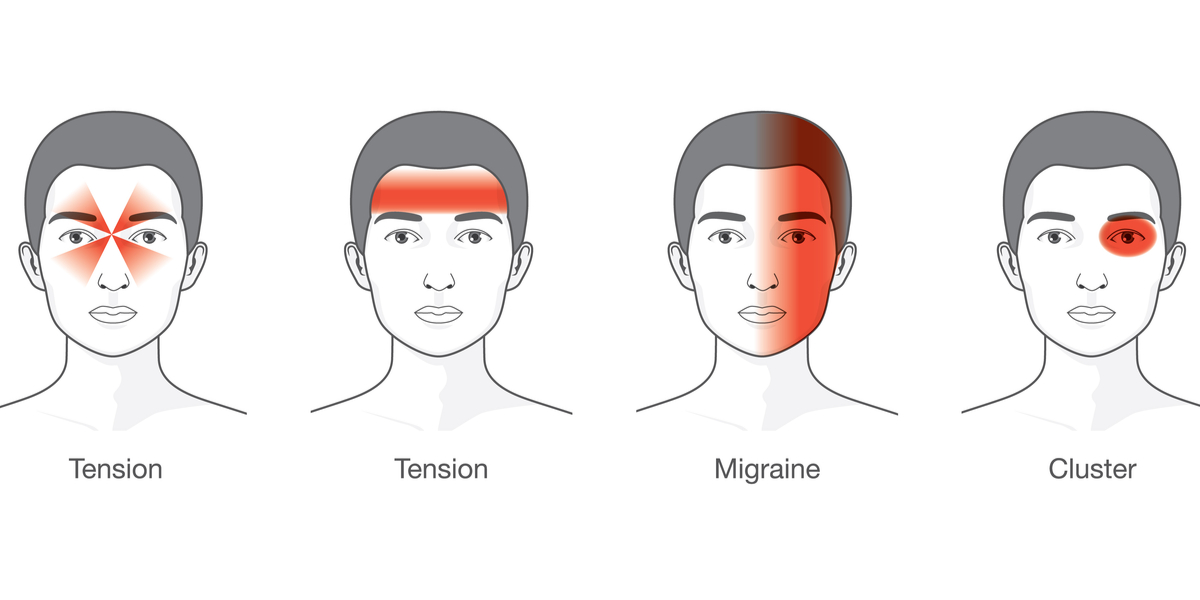
Headaches are common, but not all headaches feel the same. Some cause mild pressure around the forehead, while others bring intense pain, nausea, and sensitivity to light or sound. Two common types are tension headaches and migraines. Although they may seem similar, they have different symptoms, triggers, and treatment approaches.
Understanding tension headache vs migraine can help you recognize the type of headache you may be experiencing and decide when to seek medical advice. In this guide, we explain their symptoms, causes, key differences, treatment options, and prevention tips.
What Is a Tension Headache?
A tension headache is one of the most common types of headache. It usually causes mild to moderate pain that feels like pressure or tightness around the head. Many people describe it as having a tight band wrapped around their forehead.
Unlike some other headaches, tension-type headaches generally do not stop people from carrying out their usual activities. However, frequent or long-lasting episodes can affect concentration, productivity, and daily comfort.
Common Symptoms of a Tension Headache
The symptoms may vary from person to person, but common signs include:
- Dull, aching pain rather than throbbing.
- Pressure across the forehead or around the sides and back of the head.
- Pain that affects both sides of the head.
- Tenderness in the scalp, neck, or shoulder muscles.
- Mild sensitivity to light or sound in some cases.
Tension headaches can last from around 30 minutes to several days. Some people experience occasional episodes, while others have frequent or chronic headaches.
What Is a Migraine?
A migraine is a neurological condition that causes recurring attacks of headache and other symptoms. It is more than an ordinary headache because it can affect a person’s ability to work, study, or complete everyday activities.
Migraine pain is often moderate to severe and may feel throbbing or pulsating. It commonly affects one side of the head, although it can occur on both sides. Physical activity, such as walking or climbing stairs, may make the pain worse.
Common Symptoms of a Migraine
Migraine symptoms can include:
- Moderate to severe headache pain.
- Throbbing or pulsating sensations.
- Pain on one or both sides of the head.
- Nausea or vomiting.
- Increased sensitivity to light, sound, or sometimes smells.
- Blurred vision or difficulty concentrating.
- Worsening pain during routine physical activity.
Some people experience migraines with aura. An aura is a group of temporary neurological symptoms that may occur before or during a migraine attack. These can include flashing lights, zigzag lines, blind spots, tingling, or difficulty speaking.
A typical migraine attack can last between 4 and 72 hours when untreated, although the experience varies between individuals.
Tension Headache vs Migraine: Key Differences
The main difference between a tension headache and a migraine is the type of pain and the symptoms that accompany it. Tension headaches usually cause pressure or tightness, while migraines often produce throbbing pain and additional symptoms such as nausea and light sensitivity.
Here are the most important differences.
1. Type and Intensity of Pain
A tension headache generally causes mild to moderate, steady pain. It may feel like pressure or squeezing around the head.
A migraine usually causes moderate to severe pain. The pain may pulse or throb and can become intense enough to interrupt normal activities.
2. Location of Pain
Tension headaches commonly affect both sides of the head. People may feel pressure around the forehead, temples, or back of the head.Migraines often affect one side of the head, but they can also occur on both sides.
The location may change during an attack.It is also important to remember that headaches can sometimes be associated with other conditions. For example, sinus infections may cause facial pressure, congestion, and pain around the forehead or eyes. Read our guide to sinus infection symptoms to understand how sinus related headaches differ from other types of head pain.
3. Duration
The duration of these headaches can also help distinguish them.
A tension headache may last from 30 minutes to several days. Migraine attacks typically last between 4 and 72 hours when untreated.
However, duration alone cannot confirm which type of headache a person has.
4. Associated Symptoms
Tension headaches usually occur without nausea or vomiting. Some people may experience mild sensitivity to light or sound.
Migraines often involve additional symptoms, including nausea, vomiting, sensitivity to light and sound, and sometimes visual disturbances. These symptoms can make everyday environments uncomfortable.
5. Effect of Physical Activity
Routine activities usually do not make a tension headache significantly worse. Many people can continue working or performing daily tasks.
In contrast, physical activity may increase migraine pain. Even simple movements, such as bending down or climbing stairs, can make an attack more uncomfortable.
Tension Headache vs Migraine:
| Feature | Tension Headache | Migraine |
| Pain type | Dull, pressing, or tightening | Throbbing or pulsating |
| Pain intensity | Usually mild to moderate | Often moderate to severe |
| Pain location | Commonly both sides | Often one side, sometimes both |
| Duration | 30 minutes to several days | Usually 4–72 hours |
| Nausea | Uncommon | Common |
| Light sensitivity | Sometimes | Common |
| Sound sensitivity | Sometimes | Common |
| Physical activity | Usually does not worsen pain | May worsen pain |
| Daily activities | Often possible to continue | May become difficult |
These are typical patterns, not strict rules. Symptoms can overlap, and a healthcare professional can help identify the type of headache.
Common Causes and Triggers
The exact causes of tension headaches and migraines are not fully understood. However, certain lifestyle, environmental, and biological factors may contribute to headache episodes.
Tension Headache Triggers
Common factors associated with tension headaches include:
- Stress: Emotional pressure and stressful situations may contribute to headache episodes.
- Poor sleep: Irregular sleep schedules or insufficient rest can increase the likelihood of headaches.
- Muscle tenderness: Tight or tender muscles around the neck, scalp, and shoulders may be associated with tension-type headaches.
- Caffeine changes: Consuming too much caffeine or suddenly reducing regular intake may trigger headaches.
- Long periods in one position: Extended computer work or poor working posture may contribute to discomfort.
Migraine Triggers
Migraine triggers differ between individuals. Some common examples include:
- Hormonal changes, particularly around menstruation.
- Skipping meals or going too long without eating.
- Dehydration.
- Changes in sleep patterns.
- Bright lights, loud sounds, or strong smells.
- Stress or changes in stress levels.
- Certain foods or drinks in some individuals.
- Weather or environmental changes.
Not everyone has the same triggers. Keeping a record of headache episodes can help identify personal patterns.Stress and anxiety can also contribute to headache episodes in some people. Learning practical ways to manage stress, such as breathing exercises and relaxation techniques, may help support overall well being. You can explore these strategies in our guide to anxiety treatment options.
How Are Tension Headaches and Migraines Diagnosed?
Healthcare professionals usually diagnose headaches by reviewing symptoms, medical history, and the pattern of pain. They may ask when the headaches started, how often they occur, how long they last, and whether other symptoms appear.
A physical and neurological examination may also be performed to check for signs that suggest another condition.
In many cases, imaging tests such as MRI or CT scans are not necessary when symptoms fit a typical primary headache pattern and there are no warning signs. However, a healthcare professional may recommend additional tests if the headache is unusual, severe, or accompanied by concerning symptoms.
Treatment Options for Tension Headaches and Migraines
Treatment depends on the type of headache, how frequently it occurs, its severity, and the person’s overall health. Occasional headaches may improve with simple self-care measures, while frequent or severe episodes may require professional treatment.
Tension Headache Treatment
Mild tension headaches may improve with rest and lifestyle adjustments. Helpful approaches can include:
- Resting in a quiet and comfortable environment.
- Applying a warm or cold compress to the neck or head.
- Practising relaxation techniques, such as deep breathing or meditation.
- Taking short breaks during long periods of computer work.
- Maintaining a regular sleep schedule.
- Staying hydrated throughout the day.
Some people may benefit from over-the-counter pain relievers. However, medicines such as paracetamol or ibuprofen are not suitable for everyone. Ask a healthcare professional or pharmacist which option is appropriate for you, especially if you have an existing health condition, take other medicines, or are pregnant.
Frequent headaches may require a different treatment plan. A healthcare professional may recommend preventive treatment or other therapies depending on the pattern of symptoms.
Migraine Treatment
Migraine treatment may involve medicines that relieve symptoms during an attack and preventive treatments that reduce the frequency or severity of future attacks.
Depending on the individual’s condition, treatment may include:
- Pain-relieving medicines recommended by a healthcare professional.
- Migraine-specific medicines, such as triptans, when appropriate.
- Anti-nausea medicines for people who experience nausea or vomiting.
- Preventive medicines for frequent or disabling migraine attacks.
- Lifestyle changes to manage individual triggers.
Early treatment during a migraine attack may help some people manage symptoms more effectively. However, the best approach depends on the person’s medical history and migraine pattern.
Avoid using pain-relieving medicines too frequently. Regular overuse can lead to medication-overuse headaches, which may cause headaches to become more frequent.
Can You Have Both Tension Headaches and Migraines?
Yes. A person can experience both tension-type headaches and migraines. Their symptoms may also overlap, making it difficult to identify the exact type based on pain alone.
For example, someone with migraine may experience pressure-like discomfort between more intense attacks. Another person may have tension headaches at certain times and migraine attacks at other times.
If your headaches frequently return, change in character, or interfere with everyday life, discuss them with a healthcare professional. Avoid assuming that every headache has the same cause.
How to Prevent Tension Headaches and Migraines
Although it is not always possible to prevent headaches completely, healthy daily habits may reduce their frequency and help manage common triggers.
Consider these practical steps:
- Maintain a regular sleep schedule: Try to sleep and wake up at consistent times each day.
- Drink enough water: Stay hydrated, especially during hot weather or physical activity.
- Avoid skipping meals: Eat balanced meals at regular intervals.
- Manage stress: Try meditation, gentle exercise, breathing exercises, or other relaxing activities.
- Take screen breaks: Rest your eyes and change your position during long periods of computer or mobile use.
- Stay physically active: Regular, appropriate exercise may support overall health and help some people manage headaches.
- Track your triggers: Keep a headache diary to identify patterns involving food, sleep, stress, or environmental changes.
Prevention strategies may work differently for each person. If headaches continue despite lifestyle changes, professional guidance can help identify suitable treatment options.
When Should You Seek Medical Help?
Occasional mild headaches are common, but certain symptoms should never be ignored. Seek medical advice if headaches become frequent, severe, change in pattern, or interfere with your daily routine.
Get emergency medical help if you experience:
- A sudden, extremely severe headache.
- A headache with weakness, numbness, or difficulty speaking.
- Confusion, fainting, or seizures.
- A severe headache with fever and a stiff neck.
- New vision loss or significant vision changes.
- A severe headache following a head injury.
These symptoms may indicate a serious condition that requires urgent assessment. Do not try to diagnose the cause yourself.
Frequently Asked Questions
1. How can I tell if I have a tension headache or a migraine?
A tension headache usually causes dull pressure or tightness on both sides of the head. A migraine often causes moderate to severe throbbing pain and may involve nausea, vomiting, or sensitivity to light and sound. However, symptoms can overlap, so a healthcare professional should assess recurring or concerning headaches.
2. Which is worse, a tension headache or a migraine?
Migraines are often more disabling because they can cause intense pain and additional symptoms such as nausea and light sensitivity. Tension headaches are generally milder, although frequent or chronic tension headaches can also affect daily life.
3. Can stress cause both tension headaches and migraines?
Yes. Stress can be associated with both types of headaches. It may contribute to tension type headaches and can also trigger migraine attacks in some people. Managing stress through regular sleep, relaxation, and healthy routines may help reduce headache episodes.