
 By Rbia Eman
Right-side lower back pain is a common issue with many possible causes. It can come from muscles, nerves, or your organs.
Most cases come from simple muscle strain or small spine issues. Still, some cases point to a more serious cause underneath.
This guide explains the many possible causes of right-side lower back pain. You will also learn warning signs, treatment choices, and when to see a doctor.
By the end, you will get a clearer idea of what may be causing your pain and how to respond.
Why Right-Side Lower Back Pain Happens
Lower back pain stays one of the top reasons people see a doctor. It also ranks high among causes of missed work.
Why the Right Side Specifically Can Hurt
Most organs sit toward the front of your body. Still, they can send pain that spreads to your lower back.
Parts like your ovaries, intestines, and appendix share nerve paths with nearby back tissue. When these parts sit on the right side, pain often shows up on the right side of your back too.
Muscle and Spinal Causes of Right-Side Back Pain
Mechanical issues stay the most common cause of lower back pain. This means something is off in how your spine, muscles, and nerves work as a team.
Common Muscle-Related Causes
- Sprains, strains, or torn ligaments from an injury
- Muscle tightness from bad posture
- Spine-related conditions like scoliosis, lordosis, or kyphosis
These issues often build up slowly or follow one clear injury. Pain from muscle causes tends to get worse with movement and ease up with rest.
Spinal Conditions Linked to Right-Side Pain
Several spine conditions can press on, swell, or hurt nerves in your spine. This can cause pain right on the right side of your lower back.
| Spinal Condition | Common Sensation |
| Herniated disc | Sharp pain, may spread to the leg |
| Spinal stenosis | Numbness or weakness, worse when standing |
| Lumbar radiculopathy | Tingling or burning feeling |
| Sciatica | Pain running down the leg |
| Sacroiliitis | Deep, aching pain in the lower back |
These conditions often send pain past the back itself. Symptoms like tingling, burning, or numbness may reach the legs or buttocks.
Kidney-Related Causes of Right-Side Back Pain
Your kidneys sit on both sides of your spine, tucked under your rib cage. The right kidney sits a bit lower than the left.
This spot makes right-side kidney issues a common cause of lower back pain. A few specific kidney problems can trigger this pain.
Kidney Stones
Kidney stones can cause sharp, cramping pain when stuck in the ureter. This tube carries urine from your kidneys to your bladder.
Pain from kidney stones often spreads to the belly and groin too. This pain pattern tends to come in waves, not stay steady.
Kidney Infections
Kidney infections, often from bacteria like E. coli, can also cause lower back pain. Other symptoms usually come along with this kind of infection.
Signs of a Kidney Infection
- Fever
- Chills
- Nausea
- Vomiting
Spotting these extra symptoms helps tell kidney-linked pain apart from muscle or spine causes. Fast treatment matters a lot for kidney infections.
Appendicitis and Right-Side Back Pain
The appendix is a small tube linked to your large intestine. It sits right on the lower right side of your body.
What Happens During Appendicitis
Appendicitis happens when the appendix swells up and gets infected. This condition often starts with a clear, known pain pattern.
Typical Appendicitis Symptoms
- Tenderness starting near the belly button
- Pain that slowly moves to the lower right belly
- Pain that keeps getting worse over time
- Pain that at times spreads to the lower right back
Appendicitis needs quick medical care. Left alone, it can lead to serious problems that need emergency surgery.
Abdominal Aortic Aneurysm: A Serious but Rare Cause
The aorta is the biggest blood vessel in your body. An odd bulge in the belly part of this vessel is called an abdominal aortic aneurysm (AAA).
Why This Condition Matters
AAA usually causes no symptoms until it turns into a real emergency. A burst AAA can cause bleeding that puts your life at risk.
Emergency Symptoms of a Ruptured AAA
- Severe belly pain
- Sudden lower back pain
- Dizziness
- Shortness of breath
- Fainting
These symptoms need emergency care right away. This condition is one of the more serious causes on this list.
Causes Specific to Females
Some causes of right-side lower back pain tie right to reproductive health. Spotting these patterns helps guide the right care.
Common Female-Specific Causes
- Menstruation
- Pregnancy
- Endometriosis
- Conditions that affect the uterus or ovaries
These causes often follow patterns tied to the monthly cycle or the stage of pregnancy. Tracking when symptoms happen can help point to the likely cause.
Causes Specific to Males
One condition tied only to people with testicles can cause right-side lower back pain. Knowing this condition matters for fast treatment.
Testicular Torsion
Testicular torsion happens when the spermatic cord gets twisted. This cord carries blood to the testes and sits in the scrotum.
This twist can cut blood flow down a lot, or even fully. Testicular torsion needs emergency care to stop lasting harm.
Cancer-Related Causes of Right-Side Back Pain
While less common, some cancers can cause pain on the right side of the lower back. Knowing this chance helps with early spotting.
How Cancer Can Cause Back Pain
Tumors that press right on the spinal cord or nerves can cause local pain. Also, some cancers that start elsewhere may spread to the back.
Cancers That May Spread to the Back
- Osteosarcoma
- Breast cancer
- Prostate cancer
- Ewing’s sarcoma
- Lung cancer
- Stomach cancer
Cancer-linked back pain often stays and gets worse over time. It often doesn’t get better with normal home care, which is a key sign to notice.
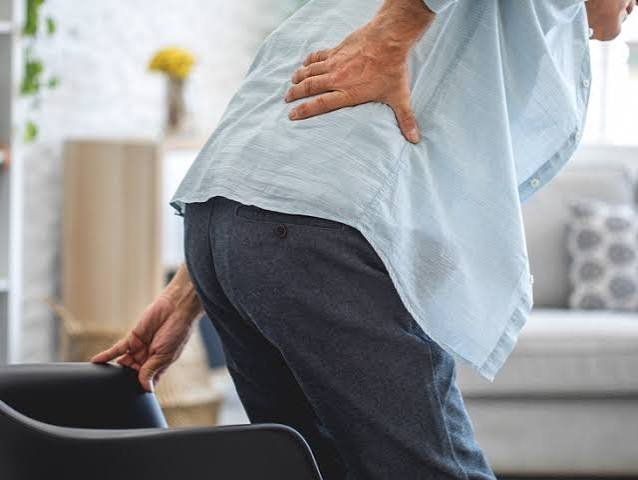
Comparing Common Causes of Right-Side Lower Back Pain
Knowing the key differences between causes helps guide your next move. This chart shows what sets each one apart.
| Cause | Key Distinguishing Feature |
| Muscle strain | Gets worse with movement, better with rest |
| Kidney stones | Sharp, wave-like pain that spreads to the groin |
| Appendicitis | Pain moves from the belly button to the lower right belly |
| AAA rupture | Sudden, bad pain with dizziness or fainting |
| Testicular torsion | Sudden testicle pain along with back pain |
This chart can help you tell your symptoms clearly to a doctor. A clear symptom story helps them find the cause faster.
When to See a Doctor
Knowing when to get medical care helps you act the right way. Most cases of right-side lower back pain are not emergencies.
When to Schedule a Doctor’s Visit
- Pain that keeps getting worse
- Pain that doesn’t get better after three weeks
- Pain that gets in the way of daily life
Emergency Warning Signs
Get medical help right away if back pain comes with any of these:
- Sudden, severe pain
- Loss of control over your bladder or bowels
- Chest pain
- Weakness, numbness, or loss of feeling in the lower body
- Trouble urinating
These signs may point to a serious issue that needs quick care. Never brush off these signs, even if the pain itself feels okay to handle.
How Doctors Diagnose the Cause
Knowing how doctors find the cause helps you know what to expect at a check-up. Doctors usually follow a clear, set plan.
Steps in the Diagnostic Process
- A close look at your symptoms and health history
- A physical check of the back and belly
- Questions about pain patterns, triggers, and timing
- Imaging tests, like X-rays or MRI, if needed
- Blood or urine tests to check for infection or other issues
This set plan helps rule out serious causes while finding the true source. A right diagnosis leads to the best treatment plan.
Home Remedies for Right-Side Lower Back Pain
Many cases of muscle-linked back pain get better with home care. These fixes offer a good start for mild to medium pain.
Effective Home Remedies
- Putting ice or heat on for 20 to 30 minutes every few hours
- Taking pain relief you can buy, like NSAIDs or acetaminophen
- Using creams or gels for spot relief
- Doing gentle stretches to loosen tight muscles
When Heat Works Best
Heat therapy works well for ongoing muscle tightness and stiffness. It helps relax tense muscles and boost blood flow to the spot.
When Ice Works Best
Ice therapy fits fresh injuries or clear swelling. It helps cut inflammation in the first 48 hours after getting hurt.
Alternative Remedies Worth Considering
When home fixes alone don’t do enough, other treatments may add more relief. These options work well next to normal medical care.
Alternative Treatment Options
- Physical therapy to build strength and movement
- Acupuncture for pain control
- Biofeedback for long-term pain issues
- Spinal work from a licensed pro
- Transcutaneous electrical nerve stimulation (TENS)
A doctor can help pick which option fits your case best. These treatments often work alongside, not instead of, other care.
Medical Treatments for Underlying Causes
When home and other fixes aren’t enough, medical care goes right at the root cause. Treatment shifts a lot based on the diagnosis.
Treatment Options by Cause
| Underlying Cause | Possible Medical Treatment |
| Infection | Antibiotics |
| Nerve-related pain | Anticonvulsants or specific pain medicine |
| Severe inflammation | Epidural corticosteroid shots |
| Appendicitis | Appendectomy (surgery to remove it) |
| Severe spinal issues | Spinal surgery, like fusion or disc replacement |
Your doctor will suggest care based on your exact diagnosis. Fixing the root cause tends to give the most lasting relief.
Lifestyle Habits That Support a Healthy Back
Past treating pain you already have, some habits help stop it from coming back. Building these habits supports your back over the long run.
Habits That Support Back Health
- Keep good posture while sitting and standing
- Stay active with regular, easy exercise
- Build core strength to support your spine
- Drink enough water to support your kidneys and spinal discs
- Skip long stretches of sitting with no movement
Simple Stretches for Back Health
- Gentle knee-to-chest stretches
- Cat-cow stretches for spine movement
- Gentle twist stretches for the lower back
- Hip flexor stretches to ease tension
Staying steady with these habits matters more than going hard. Small, regular effort builds lasting protection against back pain later.

Common Myths About Right-Side Lower Back Pain
A few wrong ideas surround this common symptom. Clearing these up helps you respond in a smarter way.
Myth: All Back Pain Comes From the Spine
Back pain can start in your organs, not just muscles or the spine. This is why other symptoms matter so much when figuring out the cause.
Myth: Rest Is Always the Best Treatment
While rest helps some causes, too much rest can make muscle-linked pain worse. Gentle movement often helps you heal faster than full rest.
Myth: Severe Pain Always Means a Serious Condition
How bad pain feels doesn’t always match how serious it is. Some serious issues start mild, while some muscle strains feel very painful.
Myth: Back Pain Always Requires Imaging Tests
Many cases of back pain clear up with no imaging, mainly with simple muscle strain. Doctors usually save imaging for clear warning signs.
Final Thoughts on Right-Side Lower Back Pain
Right-side lower back pain has many possible causes, from simple muscle strain to more serious issues. Knowing these options helps you respond the right way.
Most cases get better with home care and time. Still, some warning signs should never be ignored, mainly sudden severe pain or other emergency symptoms.
If your pain stays, gets worse, or gets in the way of daily life, see a doctor for a proper check. Early care often leads to faster relief and a better long-term result.
Frequently asked question
What Causes Pain on My Right Side Lower Back?
Common causes include muscle strains, kidney problems, spine conditions, appendicitis, and pregnancy changes. A doctor can help find the exact cause in your case.
How Do I Know if My Back Pain Is Muscle or Organ-Related?
Muscle-linked pain often gets worse with movement and better with rest. Organ-linked pain may come with signs like fever, nausea, or urine changes.
What Are Red Flags for Lower Right Back Pain?
Get help right away if pain comes with chest pain, dizziness, trouble urinating, or weakness in your legs. These signs may point to a medical emergency.
Can Kidney Stones Cause Right-Side Back Pain?
Yes, kidney stones can cause sharp, cramping pain in the lower back, belly, and groin. This pain often comes in waves as the stone moves.
When Should I See a Doctor for Right-Side Back Pain?
See a doctor if pain gets worse, lasts more than three weeks, or gets in the way of daily life. Sudden severe pain always needs a quick check.
Can Appendicitis Cause Lower Back Pain?
Yes, appendicitis can cause pain that moves from the belly button to the lower right belly, and at times spreads to the lower back.
Is Right-Side Back Pain Ever an Emergency?
Yes, in some cases. Signs like sudden severe pain, loss of bladder control, or signs of a burst aneurysm need emergency care.
What Home Remedies Help With Right-Side Lower Back Pain?
Ice, heat, pain relief you can buy, and gentle stretching often help with muscle-linked pain. Symptoms that stick around still need a doctor’s check.