
 By Rbia Eman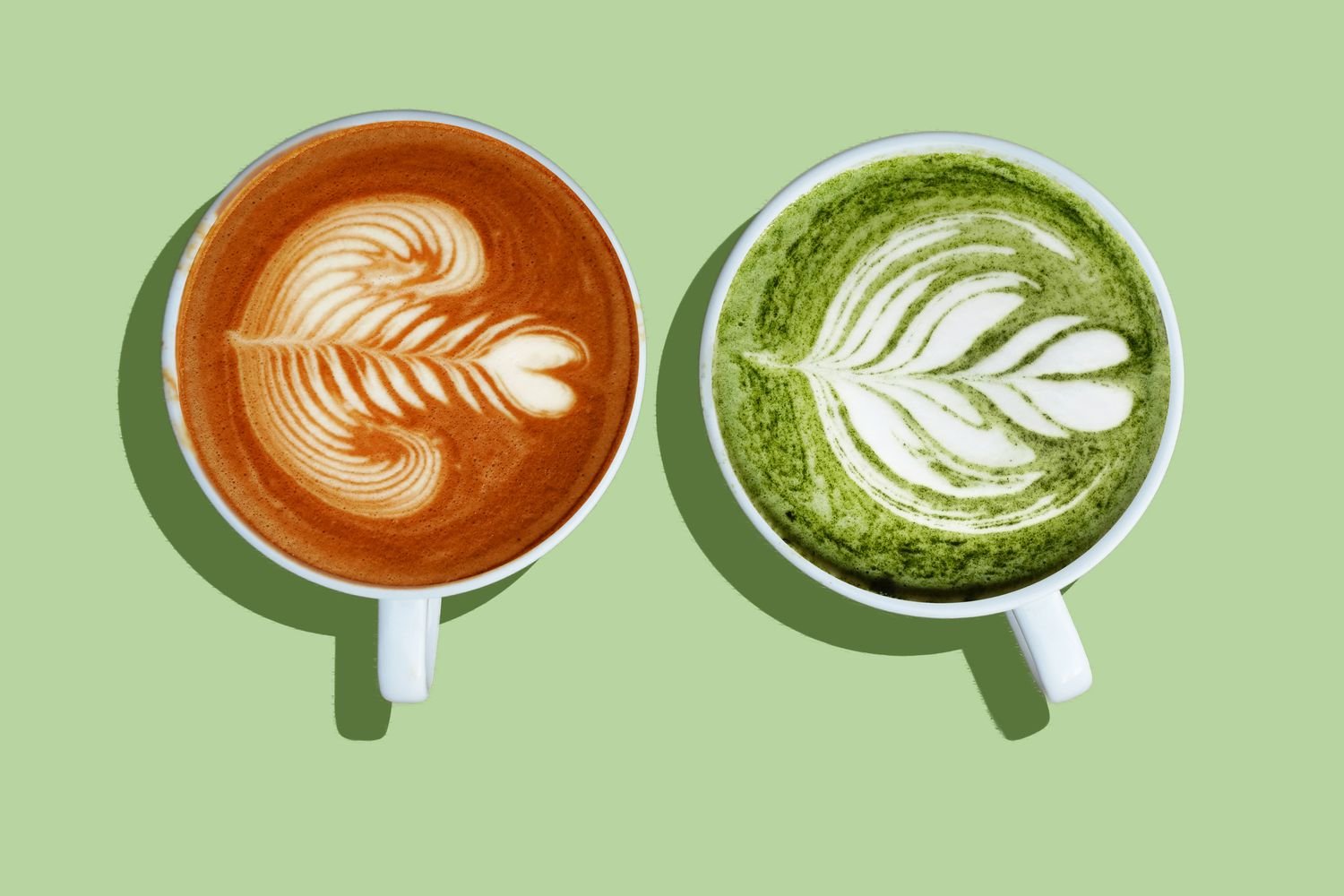
Matcha is everywhere now. You see it in cafes and on social media. So what is matcha, and why do people love it?
This guide gives you clear answers. You will learn where matcha comes from and how it is made. We will cover taste, caffeine, and health perks. We will also compare it with coffee and green tea.
By the end, you will know why this bright green powder is so special.
What Is Matcha?
Matcha is a green tea powder. It comes mostly from Japan. But it is not just any green tea.
Farmers grind special tea leaves into a fine, bright powder. This step makes matcha different from other tea.
Why Matcha Is Different From Regular Tea
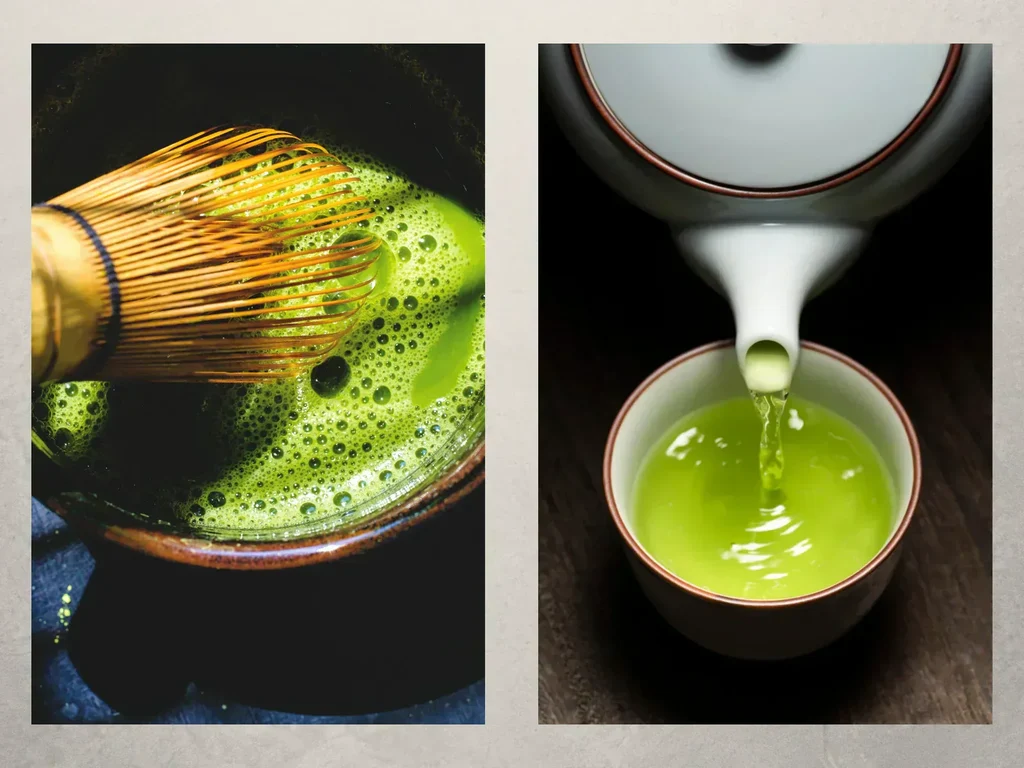
With regular tea, you soak the leaves in hot water. Then you throw them out. With matcha, you whisk the whole leaf into your drink.
So you drink the entire leaf. That is why matcha feels so rich and strong.
What Makes Matcha Taste Unique
Matcha is creamier than green tea. It has a deep, savory flavor. Some call it seaweedy. It also has a vivid green color.
How Is Matcha Made?
The way matcha is made makes it special. Each step adds something to the final taste and color.
From Tencha to Matcha
Matcha starts as tencha. To make tencha, workers steam the leaves, dry them, and remove the veins. Two things set tencha apart from green tea. The plants grow in the shade, and the veins are removed.
The Shade-Growing Process
About four to six weeks before harvest, farmers cover the tea plants. This blocks the sun. In the past, they used straw or bamboo. Today, black nets are common.
Shade makes the plant work harder. It makes more chlorophyll. That gives matcha its deep green color.
Shade also boosts amino acids in the leaves. One of them is L-theanine. It is a big reason matcha is so good.
From Leaf to Powder
| Step | What Happens |
| Hand-picking | People pick the leaves by hand |
| Steaming | Steam keeps the color and nutrients |
| Drying | The leaves lose their water |
| Sorting | Stems and veins come out |
| Stone-grinding | Stones grind the leaves to powder |
The last step is very slow. A stone grinder needs about an hour to make just 100 grams.
Fast grinding would make heat. Heat would harm the soft flavors. So makers take their time.
Is All Matcha the Same?
No. And this matters a lot. Quality changes based on where and how the tea is grown. It also depends on how it is made.
What Defines Premium Matcha
The best matcha comes from Japan. It is made from shade-grown tencha. For top quality, look for a spring harvest.
This kind of matcha costs more. But many people feel it is worth it.
Why Cheaper Matcha Falls Short
Cheap matcha is often just ground green tea. This shortcut causes a few problems.
- It skips the shade, so the color is dull and it has fewer perks
- It keeps the veins, so it tastes bitter and flat
- It may not pass safety rules on pesticides
- It may have added sugar or other green tea
What to Look for in Quality Matcha
| Quality Sign | What to Check |
| Origin | Made in Japan |
| Grade | Ceremonial grade, from spring |
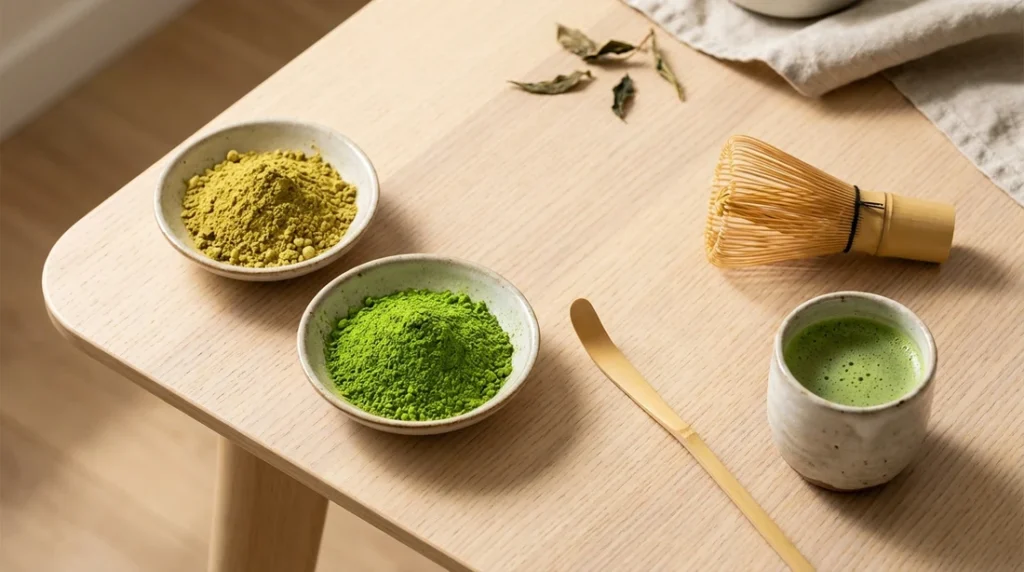
| Color | Bright, vivid green |
| Texture | Fine, smooth, silky |
| Flavor | Smooth, a bit sweet, savory |
Matcha that looks yellow or tan is often low quality. It may also be stored badly. A rough, gritty feel is another bad sign.
What Does Matcha Taste Like?
Pure matcha tastes rich, leafy, and savory. Many people say it is like edamame.
The Flavor Profile Explained
Well-made matcha is smooth and a bit sweet. It has more body than green tea. Think of it as a strong burst of flavor, not a light cup of tea.
Why Matcha Sometimes Tastes Bitter
Good matcha should not taste bitter. Bitter matcha usually has one of two causes. The water was too hot, or you used too much powder.
Both are easy to fix. Try cooler water first. It often helps a lot.
Trying Matcha for the First Time
New to matcha? Try a flavored blend. These use pure Japanese matcha with flavors you know. That makes the first sip easy.
Does Matcha Have Caffeine?
Yes. Caffeine is a key part of matcha. It gives you energy and focus.
How Much Caffeine Does Matcha Contain?
| Drink | Caffeine (vs. Coffee) |
| Coffee | Full amount |
| Matcha (½ teaspoon) | About half |
| Regular green tea | About one-third |
A half teaspoon of matcha has about half the caffeine of a cup of coffee. That is more than regular green tea.
What Makes Matcha’s Caffeine Different
Matcha also has lots of L-theanine. Shade growing boosts it.
L-theanine helps you feel calm. It also slows how your body takes in caffeine. So you get fewer jitters than with coffee.
The Calm Focus Effect
Together, caffeine and L-theanine soften the kick. Energy builds slowly. It lasts longer. And it fades with no crash.
People call this “calm focus.” You feel alert, but not tense.
This is why Zen monks drank matcha for centuries. It helped them stay sharp during long hours of meditation.
Matcha vs. Green Tea: What’s the Difference?
Matcha is green tea. Both come from the same plant, Camellia sinensis. But the likeness ends there.
Key Differences Between Matcha and Green Tea
| Feature | Matcha | Green Tea |
| Growing | Shade for 2–6 weeks | Full sun |
| Making | Steamed, dried, de-veined, ground | Pan-fried or steamed, rolled, dried |
| How you drink it | Whisk it, drink the leaf | Steep it, toss the leaf |
| Caffeine | About half of coffee | About one-third of coffee |
| L-theanine | Much higher | Lower |
| Flavor | Rich, savory, creamy | Light, mild, grassy |
| Color | Bright green | Pale yellow-green |
| Antioxidants | High | Lower |
The Bottom Line on Matcha vs. Green Tea
You drink the whole leaf with matcha. So each cup gives you more of everything. That means more caffeine, L-theanine, antioxidants, and flavor.
Matcha vs. Coffee: The Key Differences
Many people now switch from coffee to matcha. Others drink both. Here is how they differ.
Comparing Matcha and Coffee
| Feature | Matcha | Coffee |
| Caffeine | Medium | Higher |
| Energy | Slow and steady, no crash | Quick spike, then a crash |
| L-theanine | High, helps you feel calm | None |
| Jitters | Rare | Common in high doses |
| Antioxidants | High (EGCG) | Some |
| Taste | Savory, creamy | Bold, bitter, roasty |
| Prep | Whisked with water or milk | Brewed |
Is Matcha a Coffee Replacement?
Not always. Matcha feels very different from coffee.
Some people love its smooth, steady lift. Others drink both at different times of the day.
What Are the Benefits of Matcha?
People have prized matcha for its health perks for ages. Modern studies back up much of it.
Sustained, Slow-Release Energy
Caffeine and L-theanine work as a team. They give you steady energy. You skip the spike and crash of coffee or energy drinks.
Most people feel alert for three to six hours after one cup. Few drinks last that long.
Focus and Mental Clarity
L-theanine is linked to more alpha waves in the brain. This is a state of calm alertness.
With caffeine, it can help you focus. It may also speed up reaction time. That is the “calm focus” matcha is known for.
Rich in Antioxidants
Matcha is full of catechins. The main one is EGCG. It is one of the most studied antioxidants.
You drink the whole leaf. So matcha has far more antioxidants than steeped green tea.
Stress Support
L-theanine is also linked to lower cortisol. Cortisol is a stress hormone. This can calm your nerves.
That is why matcha can feel both lively and soothing. Few drinks do both.
Vitamins and Minerals
Matcha has vitamins A, C, E, and K. It also has potassium, calcium, and iron. You get them all from the whole leaf.
An Important Note on Health Claims
Matcha is a great daily drink, but it is not medicine. If you have health worries, talk to your doctor before you change your diet.
How to Choose Quality Matcha
The right matcha changes the taste and the perks. A few tips can guide you.
Questions to Ask Before Buying
- Does it come from Japan?
- Is it ceremonial grade?
- Is the color bright green?
- Is the powder fine and smooth, not gritty?
Storing Matcha Properly
Good storage keeps matcha fresh. Use an airtight tin. Keep it away from light, heat, and damp.
After you open it, keep it in the fridge. Use it within a few weeks for the best taste.
How to Prepare Matcha at Home
A good cup is easy to make. A few simple steps will do it.
Basic Steps for Preparing Matcha
- Sift the powder to break up clumps
- Add a little hot water, not boiling
- Whisk fast in a zigzag until frothy
- Add more water or milk to taste
Common Preparation Mistakes to Avoid
- Using boiling water, which makes it bitter
- Using too much powder
- Skipping the sifting, which leaves clumps
- Stirring, not whisking, which ruins the texture
Get the water heat and the ratio right. Small changes can turn a bitter cup into a smooth one.
Final Thoughts on Matcha
Matcha is one of a kind. It mixes caffeine, L-theanine, and antioxidants in one cup.
Know how it is made and how to choose it. Learn how to whisk it well. Then matcha is more than a trend. It can be a daily habit.
Maybe you love the calm focus. Maybe you love the flavor or the history. Either way, matcha is worth a try.
Frequently asked questions
What Exactly Is Matcha Made Of?
Matcha is made of fine, shade-grown green tea leaves. You drink the whole leaf. You do not steep it and toss it.
Does Matcha Have More Caffeine Than Coffee?
No. Matcha has less caffeine than coffee. One serving has about half.
Why Does Matcha Sometimes Taste Bitter?
The water may be too hot. Or you may have used too much powder. Fix those, and the taste gets smoother.
Is Matcha Healthier Than Regular Green Tea?
Matcha is more potent. You drink the whole leaf. So you get more antioxidants, caffeine, and L-theanine per cup.
Can Matcha Replace My Morning Coffee?
It can, but it feels different. Many people enjoy both at different times of day.
How Can I Tell if Matcha Is High Quality?
Look for a bright green color and a fine, smooth texture. It should come from Japan. Ceremonial grades from a spring harvest are often the best.
What Does the “Calm Focus” Effect of Matcha Mean?
It means you feel alert and calm at once. Caffeine and L-theanine work together. You get steady energy with no jitters.
How Should I Store Matcha to Keep It Fresh?
Use an airtight tin. Keep it away from light, heat, and damp. Store it in the fridge once opened, and use it in a few weeks.