
 By Rbia Eman
Cold weather doesn’t have to mean sacrificing style for warmth. The secret to nailing a great men’s outfit for winter isn’t buying more clothes, it’s mastering the art of layering and investing in a handful of pieces that actually earn their place in your closet.
This guide breaks down every essential you need, how to layer them properly, and how to tell a quality piece from one that’ll fall apart by February.
Why Layering Is the Foundation of Winter Style
The biggest mistake men make in cold weather is throwing on one heavy coat and calling it a day. Real winter dressing works in layers: a base layer that manages moisture and warmth, a mid layer that insulates, and an outer layer that shields you from wind, rain, or snow.
Done right, layering also gives you flexibility: you can peel off a piece indoors without losing the outfit’s structure.With that in mind, here are the pieces that make up a complete winter wardrobe.
10 Must Have Pieces for a Men’s Winter Outfit
1. Thermal Base Layers
Everything starts here. A good thermal top and bottom sit against your skin and trap warmth without making you sweat. Merino wool is the gold standard it insulates in the cold, breathes when you warm up, and doesn’t hold onto odor the way synthetic fabrics do. Keep at least one set on rotation for the coldest days.
2. A Flannel Shirt
Flannel is one of the most versatile pieces you can own in winter. Worn alone, it reads casual and rugged; layered over a tee and under a jacket, it adds warmth and texture without bulk. Stick to a classic plaid or a solid muted tone so it pairs easily with both jeans and chinos.
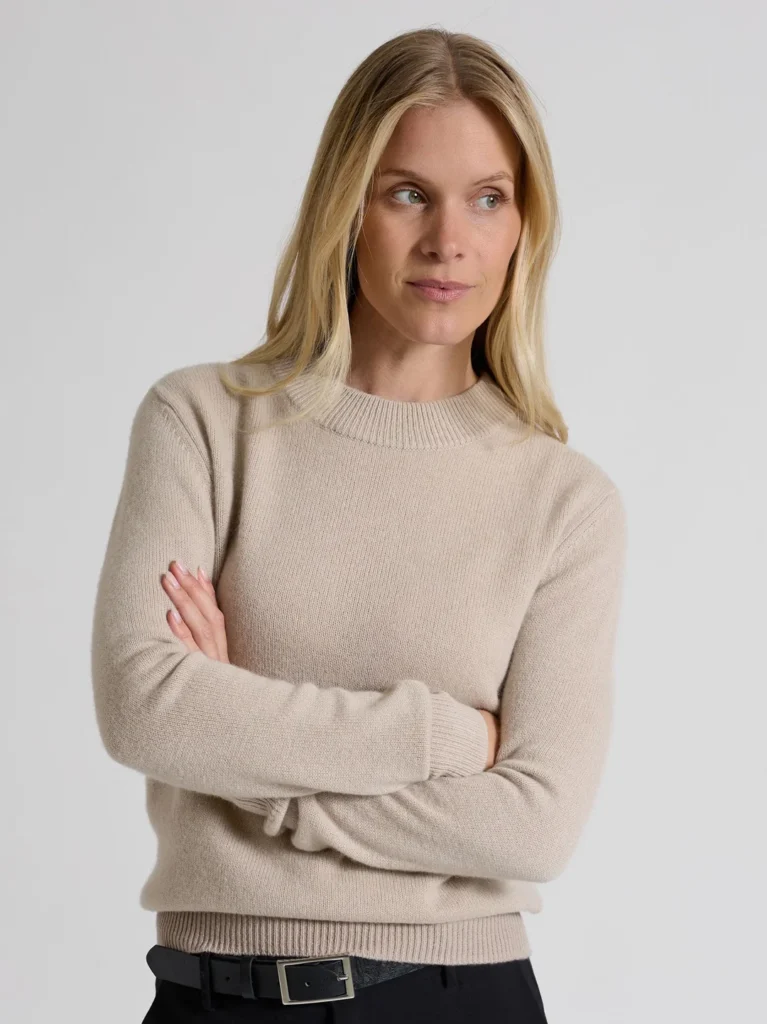
3. A Wool or Cashmere Sweater
Nothing says winter refinement like a well-fitted sweater. Cashmere delivers unmatched softness and warmth-to-weight ratio, while merino wool offers similar performance at a more accessible price. Go for a crew or V-neck in navy, charcoal, or taupe colors that transition effortlessly from the office to a weekend outing.
4. An Insulated Puffer Jacket
For genuinely cold days, a puffer jacket is non-negotiable. Modern designs have moved far beyond bulky and boxy; you’ll find sleek, tailored silhouettes that still pack serious insulation. Look for one with a water-resistant shell so a light snowfall or drizzle doesn’t ruin your day.
5. A Classic Overcoat or Trench
If your winter wardrobe has one statement piece, make it this. A tailored overcoat instantly elevates any outfit, from a suit to a simple sweater-and-jeans combo. Black and tan work well for a trench, while navy, grey, and khaki are safe, versatile choices for a wool overcoat. Prioritize a quality wool blend that holds structure, resists wear, and keeps you warm without feeling stiff.
6. Dark Denim Jeans
Dark wash denim thinks deep indigo or black is a winter wardrobe workhorse. It’s more versatile than lighter washes, pairs effortlessly with heavier knitwear and outerwear, and tends to hide the wear and tear that colder months bring. Dress it up with a sweater and overcoat, or keep it casual with a flannel shirt.
7. A Beanie
When temperatures drop fast, a beanie is the quickest way to stay warm without sacrificing style. Merino wool beanies offer excellent heat retention while staying breathable. Stick to neutral tones like grey, black, or navy for maximum versatility, though a subtle cable knit or ribbed texture can add personality without going overboard.
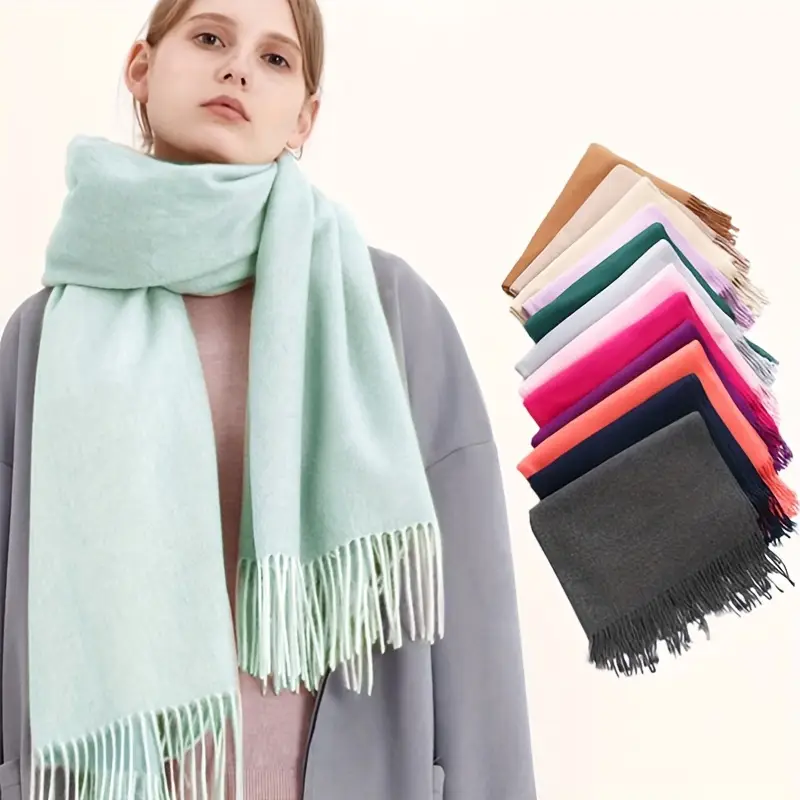
8. A Neutral Scarf
A scarf does double duty practical warmth around the neck and face, plus an instant style upgrade. Wool, merino, or cashmere scarves offer the best warmth-to-weight balance. Neutral colors like charcoal, navy, and black integrate seamlessly with almost any coat or jacket, whether draped loosely or wrapped snug.
9. Gloves
Cold hands can ruin an otherwise great winter day, so don’t treat gloves as an afterthought. Leather gloves with a soft lining offer both warmth and a polished look, while touchscreen-compatible options let you use your phone without exposing your hands to the cold, a small detail that makes a real difference day to day.
10. Waterproof Boots
Style means little if you’re slipping on ice or soaking your socks. Waterproof boots ideally in leather or treated suede protect your feet while adding a rugged, grounded element to your outfit. Look for a sole with solid traction, and choose a pair that works equally well with jeans or tailored trousers.
How to Spot High Quality Winterwear
Buying fewer, better pieces beats replacing cheap ones every season. Here’s what to check before you buy.
Fabric quality. Natural fibers, merino wool, cashmere, and quality cotton blends outperform synthetics in both comfort and durability. They regulate temperature better, feel better against the skin, and tend to age more gracefully.
Stitching and construction. Run your fingers along the seams. Even, tight stitching with no loose threads or fraying is a good sign. Reinforced seams at stress points (elbows, cuffs, hems) indicate a garment built to last, and zippers or buttons should feel solid, not flimsy.
Insulation and lining. Good insulation traps heat without adding unnecessary bulk. Merino wool linings are particularly effective; they retain warmth while wicking away moisture, so you stay warm without overheating or feeling damp.
Care instructions. Always check the label before buying. Wool and cashmere pieces need specific washing and storage care to maintain their shape and softness over time. A garment that’s easy to care for properly will simply last longer.

Final Thoughts
A great men’s winter outfit isn’t about owning dozens of pieces, it’s about choosing the right ones. Thermal base layers, a quality sweater, and a tailored overcoat form the foundation; a beanie, scarf, and gloves round it out; and waterproof boots keep the whole look grounded and practical. Focus on natural fabrics, solid construction, and versatile neutral tones, and you’ll have a winter wardrobe that performs well and looks sharp for years, not just one season.
Frequently Asked Questions
What is the key to a good men’s winter outfit?
Layering. A proper winter outfit builds from a moisture-managing base layer, to an insulating mid layer like a sweater or flannel, to a protective outer layer such as a coat or puffer jacket. This combination keeps you warm without restricting movement or causing overheating indoors.
How many layers should I wear in winter?
Three layers is the standard formula: a thermal base layer, an insulating layer (sweater or flannel), and an outer shell (overcoat, trench, or puffer jacket). On milder days you can drop to two; on extreme cold, add a vest or additional knit layer underneath your coat.
Is cashmere or merino wool better for winter?
Both perform well, but they suit different needs. Cashmere offers superior softness and a more luxurious feel, usually at a higher price point. Merino wool is more durable, easier to care for, and delivers excellent warmth-to-weight performance at a more accessible cost making it a practical everyday choice.
Can I wear a puffer jacket with formal outfits?
It depends on the design. A sleek, tailored puffer in a neutral tone (black, navy, charcoal) can work over smart-casual outfits, but for formal occasions, a wool overcoat or trench remains the safer, more polished choice.
How do I keep my winter clothes looking new for longer?
Always follow the care label, especially for wool and cashmere pieces, which often require gentle hand-washing or dry cleaning and flat drying to retain their shape. Store knitwear folded rather than hung to prevent stretching, and rotate your pieces rather than wearing the same items daily.
What colors work best for a men’s winter wardrobe?
Neutral tones navy, charcoal, black, grey, and tan are the most versatile, since they mix and match easily across layers. A few can be swapped in for texture or a subtle statement, but building your core pieces around neutrals keeps the wardrobe flexible and long lasting.
Do I really need waterproof boots, or will regular boots work?
Waterproof boots are worth the investment if you deal with rain, snow, or slush regularly. Regular boots may look similar but often lack proper sole traction and water resistance, leading